
Can I Eat Mangoes If I Have PCOS? A Guide to Pakistani Fruits
When summer arrives in Pakistan, it brings along the king of fruits. For anyone managing Polycystic Ovary Syndrome (PCOS), the sight of fresh Sindhri, Anwar Ratol, or Chaunsa mangoes can cause a mix of excitement and anxiety.
Because PCOS is deeply tied to insulin resistance, the common advice is often to cut out sweet foods entirely. But does that mean you have to give up mangoes completely?
The short answer is no, you do not have to ban mangoes. However, you do need a smart, medical strategy to enjoy them without causing a chaotic hormonal spike.
The Science: Glycemic Index vs. Glycemic Load
To understand how mangoes affect your body, we have to look at two important metrics:
Glycemic Index (GI): This measures how fast a food spikes your blood sugar on a scale from 1 to 100. Mangoes have a GI of around 51 to 56. This actually places them in the low-to-medium GI category, meaning they don’t spike blood sugar as violently as refined flour (maida) or white sugar.
Glycemic Load (GL): This measures the actual amount of carbohydrates in a typical serving. A single, massive mango has a high glycemic load because it contains a large concentrated dose of natural sugars (fructose).
Therefore, mangoes aren’t inherently toxic for PCOS; the challenge is almost always portion size, processing, and timing.
3 Golden Rules for Eating Mangoes with PCOS
If you want to enjoy mango season while keeping your insulin levels stable and continuing your weight loss journey, follow these clinical guidelines:
1. Never Eat Mangoes on an Empty Stomach
Eating mangoes alone as a standalone snack causes fructose to absorb rapidly into your bloodstream. Always pair your mango with a protein or a healthy fat. Eating a few walnuts, almonds, or a boiled egg right before your fruit portion drastically slows down digestion and balances the glycemic response.
2. Stick to the “One-Slice” Rule
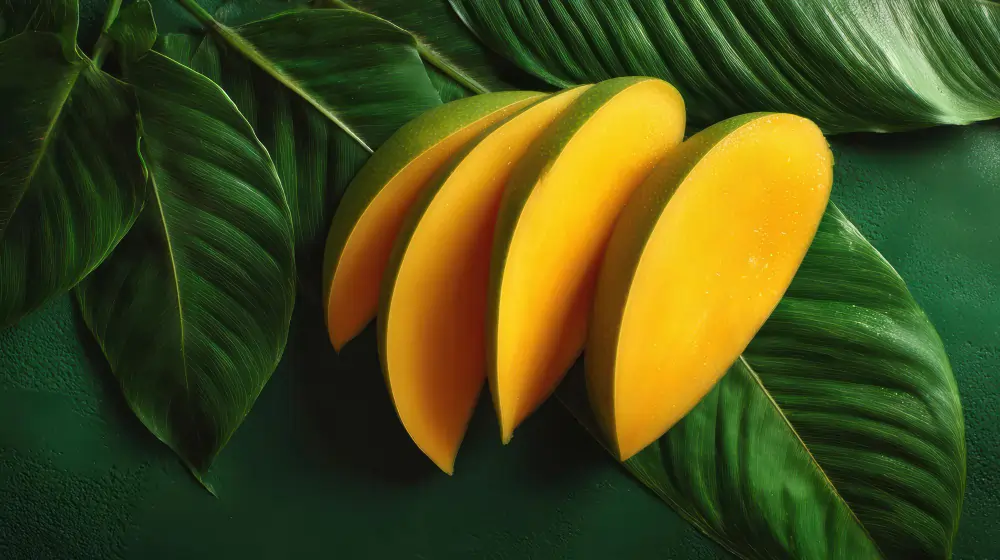
Instead of eating a whole large mango in one sitting, limit your portion to about half a cup of cubed mango (around 80 to 100 grams) once a day. This gives you the rich antioxidants, Vitamin C, and vitamins without overwhelming your liver and metabolism.
3. Choose Fresh Slices Over Milkshakes and Juices
Mango juices and traditional mango shakes (aam ka shake) strip away the natural dietary fiber and often contain added refined sugar. Fiber is your best friend in PCOS because it acts as a buffer against blood sugar spikes. Drinkable fruit formats cause immediate insulin crashes and increase fat storage around the midsection.
The Ultimate Pakistani Fruit Guide for PCOS
While mangoes require strict moderation, other local seasonal fruits are incredibly beneficial for reversing insulin resistance and reducing inflammation.
| Fruit Category | Examples (Local Names) | Why It Works / Strategy |
Best Choices (Low GI & High Fiber) | Jamun (Black Plum), Amrood (Guava), Apples, Nashpati (Pear), Aroo (Peach) | Jamun contains unique compounds that actively improve glucose metabolism. Amrood is packed with soluble fiber and contains more immune-supporting Vitamin C than oranges. |
Moderate Choices (Eat with Protein Pairs) | Aam (Mango), Kela (Banana), Khajoor (Dates), Tarbooz (Watermelon) | Perfectly safe in small, controlled portions. Tarbooz has a high GI but a very low GL, meaning a small bowl will not hurt your progress. |
Avoid or Limit (Extreme Sugar Concentration) | Market Juices, Canned Fruits in Syrup, Excess Dried Fruit | These lack structural fiber entirely or contain heavy syrups that spike cortisol, disrupt gut health, and trigger systemic inflammation instantly. |
Essential Lifestyle Tips for Fruit Consumption
Walk it off: Go for a quick 10-to-15-minute brisk walk right after enjoying a fruit portion to help your muscles absorb the glucose directly for energy instead of storing it as fat.
Time it right: Consume your fruit during the first half of your day (at breakfast or as a mid-morning snack) when your body is naturally more insulin-sensitive, rather than right before bed.
Get a Personalized PCOS Plan
Managing hormones while enjoying local Pakistani food doesn’t have to feel like a punishment. Every woman’s metabolic profile and insulin tolerance level is completely unique.
Stop guessing your portion sizes and worrying about every meal. Get a personalized nutrition and wellness plan designed by a medical expert at Dr. Ikram Clinic who understands Pakistani dietary patterns and helps you treat the root cause of PCOS safely.
FAQs
Can I drink mango shake if I don’t add white sugar?
It is still not recommended. Blending the fruit breaks down the natural fibers, causing the natural sugars to hit your bloodstream rapidly. Stick to eating whole, solid slices instead.
Which Pakistani fruit is best for regulating periods in PCOS?
Jamun and fresh guavas are excellent. Their low glycemic index and high antioxidant properties reduce ovarian inflammation, helping support natural ovulation.
How many times a week can I eat mangoes with PCOS?
If your blood sugar is well-managed, you can safely enjoy a small, controlled portion (half a cup paired with nuts) 3 to 4 times a week during the summer season.