
How to Lose Stubborn Lower Belly Fat: A Medical Guide for Pakistani Adults
Carrying extra weight around the midsection is one of the most frustrating health challenges many of us face. You might notice that even when you start shedding weight from your face, arms, or legs, the lower abdomen refuses to budge. If you are struggling to lose stubborn lower belly fat, you are certainly not alone.
In Pakistan, traditional dietary patterns—rich in refined carbohydrates, ghee, and sugary teas—combined with increasingly sedentary routines make lower abdominal fat particularly persistent. However, targeting this area does not require drastic starvation diets. By understanding the medical mechanisms behind abdominal fat and making targeted lifestyle adjustments, you can achieve sustainable, long-term results.
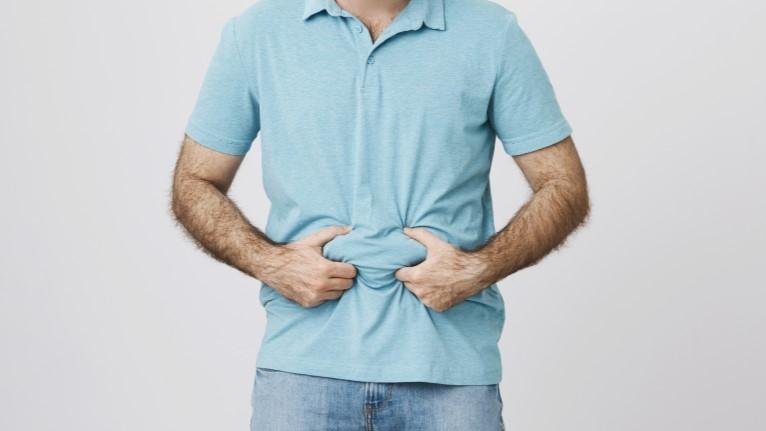
Why Lower Belly Fat Is So Stubborn
Lower abdominal fat consists of two types: subcutaneous fat (located directly under the skin) and visceral fat (stored deep around internal organs). Lower belly fat is notoriously hard to burn because fat cells in this area contain a higher concentration of alpha-2 receptors, which slow down the breakdown of fat compared to other body parts.
Furthermore, abdominal weight gain is heavily driven by hormonal triggers:
Insulin Spikes: Frequent consumption of refined carbs keeps insulin levels elevated, signals the body to store energy as fat, and inhibits fat burning.
Elevated Cortisol: Chronic stress releases cortisol, a hormone directly linked to increased visceral fat deposition.
Metabolic Slowdown: Age and lack of muscle mass gradually decrease your resting metabolic rate.
Understanding these visceral fat health risks is vital, as internal abdominal fat is closely linked to metabolic syndrome, type 2 diabetes, and cardiovascular disease.
Actionable Medical Diet Plan for Pakistani Kitchens
Losing lower stomach fat requires addressing the root cause: insulin sensitivity and calorie balance. You do not need to give up Pakistani food altogether; instead, modify how meals are prepared and structured.
Research clearly links insulin resistance and belly fat storage, making smart carbohydrate selection your highest priority.
1. Upgrade Your Carbohydrates
Swap refined white flour (menda), white bread, and parathas made with commercial ghee for high-fiber alternatives. Fiber slows down glucose absorption, keeping insulin stable.
Choose whole-wheat flatbread (choker atta roti) or Multigrain Flour.
Replace large portions of white rice with brown rice, quinoa, or controlled portions of basmati rice paired with plenty of vegetables.
2. Prioritize Protein at Every Meal
Protein increases satiety, curbs late-night cravings, and preserves lean muscle mass during weight loss.
Include eggs, skinless chicken, lentil soups (daal with minimal oil), chickpeas (chana), and fish in your weekly menu.
Aim for a palm-sized protein portion during lunch and dinner.
3. Rethink Your Tea and Beverages
Daily doodh patti brewed with full-cream milk and multiple spoons of sugar is a major hidden source of daily calories.
Switch to black tea, green tea, or black coffee without added sugar.
If using milk, opt for skimmed or low-fat milk, and replace sugar with natural stevia if necessary.
What to Eat vs. What to Avoid
Making structured dietary decisions is easier when you have a clear visual guide. Here is a practical comparison tailored to typical Pakistani meals:
| Food Category | Foods to Include | Foods to Avoid or Limit |
| Grains & Carbs | Whole-wheat roti (choker), oats, brown rice, chickpeas, lentils | Parathas, naan, kulcha, white bread, bakery biscuits |
| Proteins | Boiled/grilled chicken, eggs, fish, homemade daal, paneer | Deep-fried kebabs, processed meats, heavy cream-based curries |
| Fats & Oils | Cold-pressed olive oil, mustard oil, almonds, walnuts (in moderation) | Vanaspati ghee, reused frying oil, commercial butter |
| Beverages | Plain water, green tea, mint water, unsweetened black tea | Doodh patti with sugar, commercial sodas, packaged fruit juices |
Effective Exercise & Lifestyle Strategies
Diet accounts for the majority of fat loss, but physical activity determines where your body pulls energy from and how well you maintain metabolic health.
Focus on Full-Body Movement First
Spot reduction—the idea that doing hundreds of crunches will burn fat only from the stomach—is a medical myth. Crunches strengthen the abdominal muscles underneath, but they will not burn the fat layer sitting on top.
Daily Brisk Walking: Aim for 30–45 minutes of continuous brisk walking daily. This low-intensity exercise utilizes fat stores as a primary energy source without excessively raising cortisol.
Resistance & Strength Training: Incorporate bodyweight squats, lunges, and light dumbbell exercises 3 times a week to build muscle tissue, which burns more calories even at rest.
Core Stabilization: Exercises like planks and leg raises build abdominal wall tone, improving posture and drawing the stomach inward.
Prioritize Sleep and Stress Control
Consistently sleeping fewer than 6 hours per night disrupts leptin and ghrelin (your hunger-regulating hormones), driving intense cravings for sugary foods the following afternoon. Prioritize 7 to 8 hours of quality sleep every night.
Expected Timeline & Realistic Results
Safe, sustainable fat loss occurs at a rate of approximately 0.5 kg to 1 kg (1 to 2 lbs) per week.
Because lower belly fat is often the last area your body draws energy from, you may notice changes in your waist circumference and clothing fit before seeing major drops on the bathroom scale. Expect visible reductions in lower stomach circumference within 6 to 8 weeks of consistent adherence.
Take the First Step Toward Sustainable Weight Loss
Every individual’s metabolism, hormonal profile, and lifestyle demands are unique. If you have tried restrictive diets without success, an individualized medical approach can help you overcome plateau barriers safely and effectively.
Ready for a tailored strategy? You can book a personalized weight loss consultation with Dr. Ikram to receive a comprehensive health assessment, custom dietary planning, and expert medical guidance designed specifically for your goals.
Frequently Asked Questions (FAQs)
1. Why is lower belly fat harder to lose than upper stomach fat?
Lower abdominal fat contains a higher density of alpha-2 adrenoreceptors, which respond slower to fat-burning signals compared to beta receptors found in other body tissues. Additionally, blood flow to lower abdominal subcutaneous fat is lower, making mobilization slower.
2. Can I lose lower belly fat without giving up roti and rice?
Yes. You do not need to eliminate carbohydrates entirely. The key is controlling portion sizes, switching to whole-grain varieties (like whole-wheat or multigrain flour), and ensuring carbs are always paired with adequate protein and fiber.
3. Do fat-burning green teas actually burn stomach fat?
No single tea or drink directly burns stomach fat. Green tea contains antioxidants (EGCG) and mild caffeine that slightly support metabolic rate, but it will only assist weight loss when combined with a consistent calorie deficit.
4. Are belly wraps or sweat belts effective for losing belly fat?
No. Sweat belts cause temporary water weight loss through perspiration in that localized area, which returns as soon as you hydrate. They do not burn adipose (fat) tissue.