
Paneer Dodi for Diabetes and Weight Management: Benefits, Risks, and Safe Usage
Managing blood sugar and stubborn body fat requires a balanced, sustainable approach. Many people across Pakistan turn to herbal remedies found in local pansar shops, and Paneer Dodi for diabetes remains one of the most widely discussed options. Known scientifically as Withania coagulans and locally as Paneer Booti or Tukhm-e-Hayat, this small berry carries a reputation for improving glycemic control.
However, natural does not always mean risk-free. Using herbal remedies without proper medical guidance can lead to unexpected blood sugar crashes or digestive issues. This guide breaks down the clinical science behind Paneer Dodi, its role in weight loss, safe usage methods, and vital precautions.
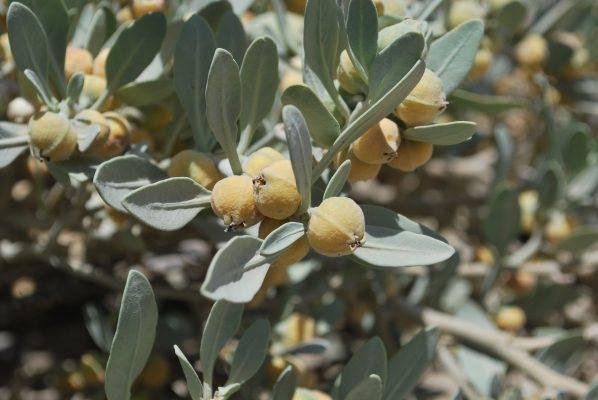
What is Paneer Dodi and How Does It Work?
Paneer Dodi is a member of the Solanaceae (nightshade) family native to Pakistan, India, and Afghanistan. In traditional medicine, healers have used its dried berries for decades to treat digestive disorders, inflammation, and metabolic imbalances.
Recent clinical studies on Withania coagulans show that the fruit contains active phytochemicals, including steroidal lactones (withanolides). These compounds help repair damaged beta cells in the pancreas. As a result, the body utilizes insulin more efficiently, which directly helps lower fasting and post-meal blood glucose levels.
Key Clinical Benefits for Diabetes and Weight Loss
When integrated into a structured lifestyle, Paneer Dodi offers several metabolic benefits:
Improves Insulin Sensitivity: It aids the pancreas in releasing insulin naturally, reducing insulin resistance in muscle and liver tissues.
Lowers Blood Sugar Spikes: Regular consumption helps regulate carbohydrate breakdown, stabilizing glycemic levels throughout the day.
Supports Lipid Profile & Weight Management: The active compounds help lower serum cholesterol and triglycerides. When your metabolism functions without chronic insulin spikes, burning stubborn abdominal fat becomes much easier.
Fights Oxidative Stress: High blood sugar creates free radicals that damage blood vessels. Paneer Dodi acts as an antioxidant, offering vascular protection.
How to Prepare and Use Paneer Dodi Safely
To extract the active nutrients without irritating your stomach, follow this standard preparation method:
Take 4 to 5 dried berries and wash them thoroughly under running water to remove dust.
Soak the berries in a glass of warm water overnight (approx. 8 to 10 hours).
In the morning, mash the berries gently with a clean spoon to release their extract.
Strain the brownish, bitter water into a cup.
Drink it on an empty stomach (nahar munh), 30 minutes before your morning breakfast.
Medical Warning: Do not exceed 5–6 berries per day. Excessive intake can cause gastrointestinal irritation and severe hypoglycemia if combined with heavy allopathic anti-diabetic medications.
Safe Practice vs. Common Mistakes
Herbal remedies must be handled with precision. Review this quick comparison before adding Paneer Dodi to your daily routine:
| Safe Practices (Do’s) | Dangerous Mistakes (Don’ts) |
| Start with a low dose (2–3 berries) to assess tolerance. | Do not stop prescribed insulin or oral medications without medical approval. |
| Monitor blood sugar levels with a glucometer regularly. | Do not consume during pregnancy or breastfeeding due to uterine-stimulating risks. |
| Pair with a balanced, high-fiber diet (portion-controlled roti, vegetables, lean protein). | Do not use unwashed berries, which often harbor dust and fungal spores from open storage. |
| Stay hydrated with at least 8–10 glasses of water daily. | Do not take multiple blood-sugar-lowering herbs (e.g., bitter gourd extract, methi dana) simultaneously. |
Maximizing Results: Desi Diet & Lifestyle Synergy
Paneer Dodi is a supportive tool, not a miracle cure. To achieve noticeable weight reduction and steady HbA1c levels, your daily habits must align with your metabolic goals.
Re-engineer Your Plate: Replace refined flour (maida) with whole wheat or barley (jau) flour. Limit sugary snacks, bakery items, and sweetened doodh patti.
Prioritize Daily Movement: Aim for a brisk 30-minute walk every day, preferably 20 minutes after dinner, to clear glucose from your bloodstream.
Prioritize Deep Sleep: Poor sleep spikes cortisol, driving sugar cravings and insulin resistance. Aim for 7 to 8 hours of restful sleep each night.
Expected Timeline and Clinical Realities
Following established guidelines for diabetes management, sustainable metabolic changes take time. When using Paneer Dodi alongside a calorie-controlled diet:
Weeks 1–2: Improved morning fasting blood sugar levels and better digestion.
Weeks 3–4: Reduced sugar cravings and stabilization of mid-day energy dips.
Weeks 6–8: Measurable reductions in waist circumference and steady improvements in HbA1c markers.
Take Control of Your Metabolic Health with Dr. Ikram
Herbal remedies require expert supervision, especially if you already take prescription medication for diabetes, high blood pressure, or cholesterol. Self-medicating can lead to dangerous drug interactions or severe hypoglycemic episodes.
At Dr. Ikram’s Diet & Weight Loss Clinic, we design customized, culturally tailored medical nutrition plans that target the root cause of insulin resistance and excess weight. If you want a medically validated roadmap designed specifically for your body, book a personalized consultation with Dr. Ikram today to start your journey toward sustainable health.
Frequently Asked Questions (FAQs)
Can Paneer Dodi cure diabetes permanently?
No herb cures diabetes permanently. Type 2 diabetes is managed through lifestyle modifications, weight control, and proper medical guidance. Paneer Dodi helps improve glycemic control, but it does not replace a long-term dietary strategy.
What are the main side effects of Paneer Dodi?
When taken in excessive quantities, Paneer Dodi can cause nausea, abdominal cramping, diarrhea, and sudden drops in blood sugar (hypoglycemia). Always stick to the recommended dosage of 4–5 berries.
Can I drink Paneer Dodi water while taking Metformin or Glimepiride?
Yes, but with strict monitoring. Because both the medication and the herb lower blood sugar, you must monitor your glucose levels daily to prevent hypoglycemia and consult your doctor to adjust dosages if needed.
Is Paneer Dodi safe for people with kidney or liver conditions?
Individuals with chronic kidney disease (CKD) or liver dysfunction should consult their physician before consuming any herbal extract, as processing these compounds may place additional stress on vital organs.