
Fatty Liver Reversal Diet Plan: Pakistani Foods to Eat and Avoid
Are you struggling with sluggish digestion, unexplained fatigue, or an ultrasound report showing a fatty liver? You are not alone. Fatty liver disease has become an alarming epidemic across urban and rural Pakistan. Fortunately, your liver has an extraordinary ability to regenerate.
With a targeted fatty liver reversal diet plan centered around wholesome Pakistani meals, you can detoxify your liver, shed stubborn visceral fat, and restore your metabolic health naturally.
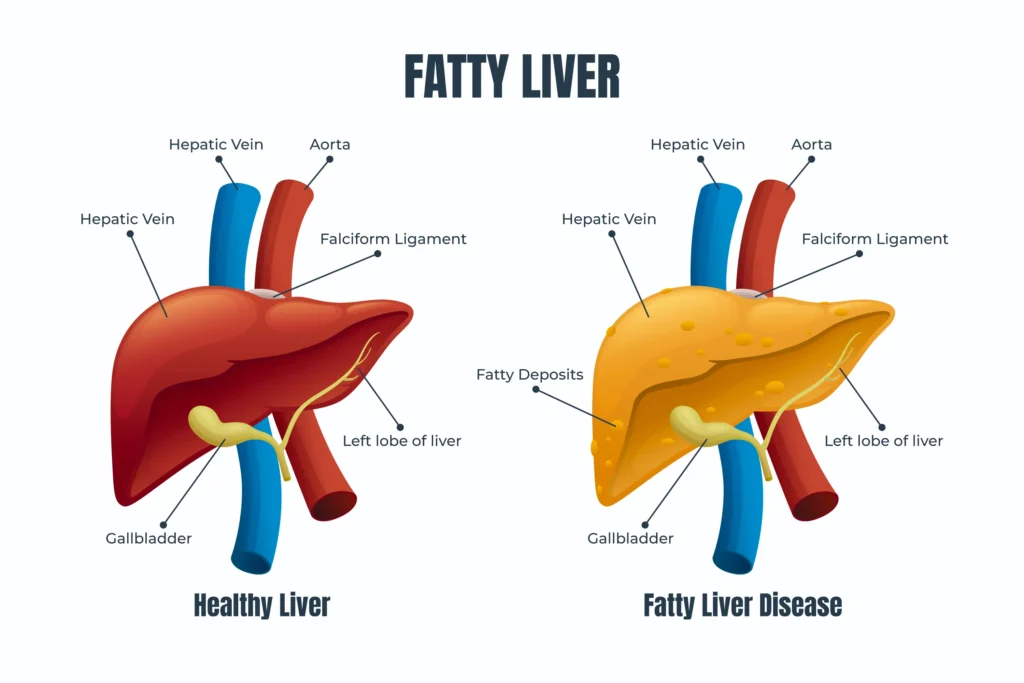
Understanding Fatty Liver Disease in Pakistan
Non-Alcoholic Fatty Liver Disease (NAFLD) occurs when excess fat builds up in liver cells. In Pakistan, diets high in refined carbohydrates, bakery items, deep-fried snacks, and vanaspati ghee drive this condition.
Clinical research indexed in medical literature confirms that targeted lifestyle modifications lead to the reversal of non-alcoholic fatty liver disease (NAFLD) before it progresses to irreversible fibrosis or cirrhosis. Addressing the root cause—insulin resistance and poor dietary fats—is the only sustainable cure.
The Pakistani Fatty Liver Reversal Diet Protocol
Reversing fatty liver does not mean starving yourself. Instead, it requires swapping inflammatory staples with nutrient-dense, liver-cleansing local alternatives.
1. Focus on Low-GI Carbohydrates
Replace white flour (maida) and polished white rice with high-fiber grains:
Whole-wheat bran roti (choker wala atta)
Barley flour roti (jau ka atta)
Brown rice or cauliflower rice in moderation
2. Prioritize Lean Protein
Protein stabilizes insulin and prevents hepatic fat accumulation:
Skinless chicken breast cooked in minimal cold-pressed oil
Fresh local fish (e.g., Rahu, Mahseer, or Salmon) grilled or steamed
Boiled eggs (up to 2 whole eggs daily)
Plant proteins like chana daal, daal mash, and sprouted pulses
3. Choose Anti-Inflammatory Healthy Fats
Throw out processed vegetable oils and hydrogenated fats. Opt for:
Cold-pressed mustard oil (sarson ka tel) for traditional cooking
Extra virgin olive oil for raw dressings
A handful of raw walnuts and almonds daily
What to Eat vs. What to Avoid: Pakistani Food Guide
| Food Category | Foods to Eat (Liver-Friendly) | Foods to Avoid (Hepatotoxic) |
| Grains & Breads | Bran roti, barley roti, oats, quinoa | Naan, paratha, puri, white bread, bakery rusks |
| Proteins | Grilled fish, skinless chicken, boiled eggs, daal | Red meat with fat, chargha deep-fried in commercial oil |
| Vegetables | Bitter gourd (karela), spinach, bottle gourd (lauki), okra | Fried potato cutlets, pakoras, samosas |
| Fats & Oils | Mustard oil, extra virgin olive oil, moderate pure desi ghee | Vanaspati ghee, generic vegetable cooking oil, margarine |
| Beverages | Green tea, black coffee, lemon water, cinnamon tea | Commercial juices, sodas, doodh patti with white sugar |
| Dairy | Skimmed milk, plain Greek yogurt, home-set curd | Sweet lassi, condensed milk, khoya, whole milk desserts |
Crucial Lifestyle Habits for Liver Regeneration
Diet alone works best when paired with supportive metabolic routines:
Daily Brisk Walking: Engage in at least 30 to 45 minutes of aerobic exercise daily to deplete liver glycogen stores.
Early Dinners: Finish your last meal by 8:00 PM to give your liver a 12-to-14-hour intermittent fasting window overnight.
Hydration: Drink 2.5 to 3 liters of plain water daily to assist renal and hepatic toxin clearance.
Cut Out Hidden Sugars: Adhere strictly to global guidelines on dietary saturated fats and sugar by cutting out sugary tea and packaged mithai.
Expected Timeline and Results
The liver responds remarkably fast to proper dietary interventions:
Weeks 1–2: Reductions in bloating, reduced post-meal sluggishness, and increased energy levels.
Weeks 4–8: Measurable reductions in abdominal circumference and improved liver enzyme levels (ALT/AST).
Months 3–6: Noticeable reduction in hepatic fat staging on ultrasound and blood lipid normalization.
Take Control of Your Liver Health Today
Every individual’s metabolic profile, insulin sensitivity, and liver grading are unique. A generic meal plan can only take you so far.
If you are ready for a personalized, medically supervised nutrition strategy, book a consultation with Dr. Ikram at Dr. Ikram’s Diet & Weight Loss Clinic. Get a customized, culturally tailored roadmap designed to reverse fatty liver and restore your vitality safely.
Frequently Asked Questions (FAQs)
Can fatty liver be completely cured with diet?
Yes. Grade 1 and Grade 2 fatty liver are fully reversible with a calorie-controlled, nutrient-dense diet and consistent physical activity.
Is Desi Ghee allowed on a fatty liver diet?
Small amounts (1 teaspoon daily) of authentic, grass-fed desi ghee are acceptable, but avoid commercial vanaspati and excessive saturated fat intake.
Can I drink Pakistani Chai while reversing fatty liver?
Yes, provided it is prepared with low-fat or skimmed milk and contains zero refined sugar or artificial creamers.