
Managing High Uric Acid with a Desi Diet: Safe Protein Choices and Meal Plans
Living in Pakistan often means enjoying hearty meals filled with rich gravies, slow-cooked meats, and savory lentils. However, waking up to sudden, sharp pain in your big toe or swollen ankles can quickly turn food into a source of anxiety.
Adopting a targeted high uric acid desi diet is the most effective, sustainable way to lower blood purines without giving up your cultural culinary heritage. You do not need to starve yourself of protein. Instead, you only need to choose the right sources and prepare them wisely.
Why High Uric Acid Matters in a Pakistani Diet
Uric acid forms when your body breaks down chemical compounds called purines. Under normal conditions, the kidneys filter this acid out through urine. However, when purine intake exceeds the body’s clearance capacity, needle-like urate crystals accumulate in joint tissues, causing severe inflammation known as gout.
Traditional Pakistani cuisine frequently includes organ meats (kaleji, maghaz, paya) and concentrated bone broths (nihari, yakhni). Medical research highlights how purine-rich foods and uric acid metabolism directly influence inflammatory flare-ups.
Consequently, uncontrolled hyperuricemia can lead to recurrent gout attacks, chronic joint stiffness, and kidney stones over time.
Safe Protein Choices in a Desi Diet
Many patients incorrectly believe that a high uric acid diagnosis requires eliminating all dietary protein. This approach is counterproductive and often leads to muscle loss and nutritional deficiencies.
Clinical studies on low-purine dietary interventions confirm that specific protein categories are completely safe for daily consumption:
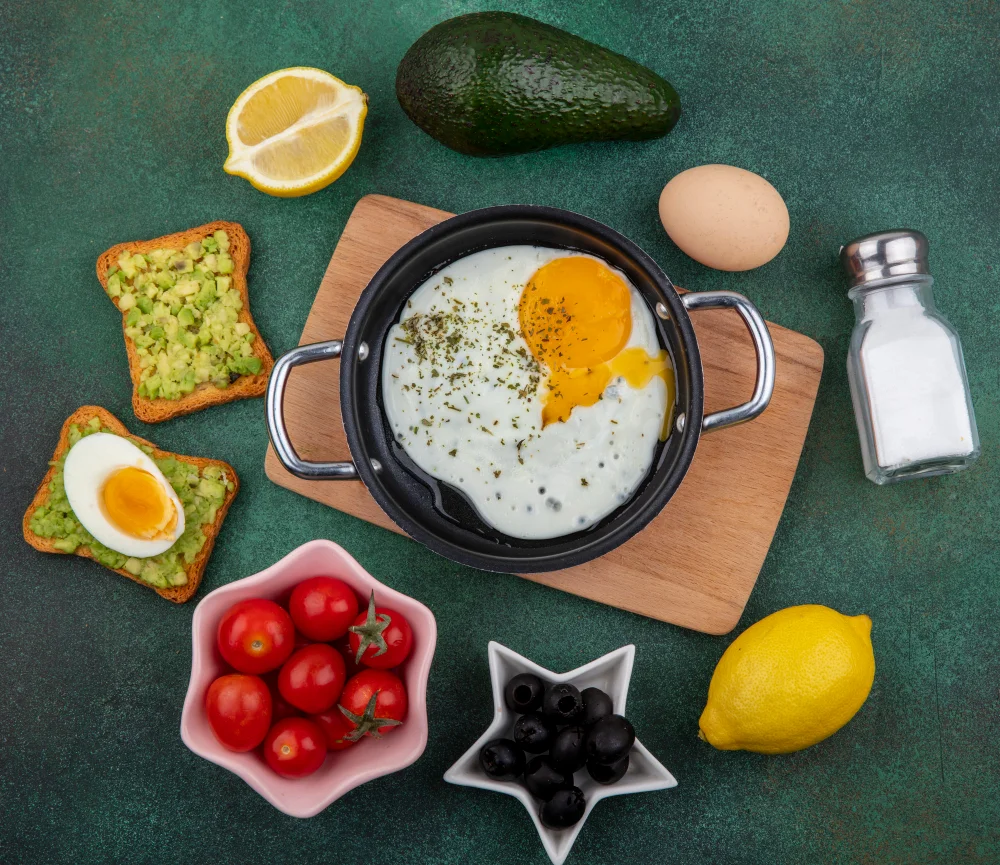
Egg Whites: Pure albumin with virtually zero purines. You can safely eat 2–3 boiled egg whites daily in an omelet cooked with minimal oil.
Low-Fat Dairy (Dahi & Skimmed Milk): Dairy proteins (casein and lactalbumin) actively promote uric acid excretion through the kidneys. Enjoy fresh homemade skimmed curd or a mild glass of unsweetened chaas (buttermilk).
Skinless Chicken Breast: While red meat is restricted, skinless poultry breast in moderate portions (60–90 grams, 2–3 times weekly) is well-tolerated.
Select Pulses in Moderation: You do not need to abandon lentils entirely. Lightly cooked Daal Moong (yellow gram) or washed Daal Masoor in thin consistency are far safer than heavy, whole-grain lentils like Kala Chana or Lobio.
Paneer (Cottage Cheese): Fresh paneer made from low-fat milk provides excellent protein and calcium without burdening purine metabolism.
Desi Foods to Eat vs. Desi Foods to Avoid
Understanding which local ingredients soothe inflammation and which trigger flare-ups is essential for daily meal preparation.
Proteins & Dairy
Safe to Enjoy: Egg whites, low-fat homemade dahi, skim milk, paneer, skinless chicken breast (moderate).
Strictly Avoid / Limit: Beef, mutton, kaleji (liver), gurda (kidneys), paya, sardines, shrimp, and concentrated nihari gravies.
Grains & Staples
Safe to Enjoy: Whole wheat phulka (roti), brown rice, oats, barley water (jau ka pani).
Strictly Avoid / Limit: Deep-fried parathas, refined maida bakery items, and sweet sheermal.
Vegetables
Safe to Enjoy: Lauki (bottle gourd), tinda, karela (bitter gourd), zucchini, cucumber, ridge gourd.
Strictly Avoid / Limit: Spinach (palak), cauliflower, green peas (matar), and mushrooms in large servings.
Beverages
Safe to Enjoy: Plain water (3–4 liters), fresh lemon water (nimbu pani without sugar), green tea.
Strictly Avoid / Limit: Commercial sodas, packaged juices, sweetened sherbets, and high-fructose syrups.
1-Day Sample Pakistani Meal Plan for High Uric Acid
This practical meal plan keeps purine levels low while fitting standard Pakistani household routines:
Early Morning (7:00 AM): 1 tall glass of warm water with half a freshly squeezed lemon.
Breakfast (8:30 AM): 2 boiled egg whites, 1 small whole-wheat phulka without ghee, and 1 cup of unsweetened green tea.
Mid-Morning Snack (11:30 AM): 1 bowl of fresh papaya or a crisp green apple.
Lunch (1:30 PM): 1 cup of thin Lauki or Tinda bhujia, 1 small whole-wheat roti, and 1 small bowl of fresh low-fat dahi.
Evening Snack (5:00 PM): 1 cup of unsweetened black tea or barley water with a handful of roasted makhana (fox nuts).
Dinner (8:00 PM): 1 portion (80g) of grilled or steamed chicken breast cooked with ginger, garlic, and turmeric, accompanied by a fresh cucumber-tomato salad.
Lifestyle Habits to Flush Uric Acid Naturally
Dietary adjustments work best when paired with targeted daily habits:
Hydrate Aggressively: Drink at least 10 to 12 glasses of filtered water daily. Proper hydration dilutes serum uric acid and prevents crystal formation in the urinary tract.
Harness the Power of Citrus: The citric acid in fresh lemon juice helps alkalize the body, promoting natural uric acid clearance.
Cook with Anti-Inflammatory Spices: Use generous amounts of fresh ginger, garlic, and pure turmeric (haldi) in your handi. These spices naturally downregulate inflammatory markers.
Avoid Crash Dieting: Rapid, extreme weight loss temporarily raises blood uric acid levels by triggering tissue breakdown. Aim for steady, supervised fat loss instead.
Expected Timeline & Health Results
Lowering uric acid is a gradual physiological process. By strictly adhering to a low-purine Desi meal plan:
Weeks 1–2: Reduced swelling and morning joint stiffness.
Weeks 3–4: Significant drop in acute flare-up frequency.
Weeks 6–8: Measurable reduction in serum uric acid levels on follow-up blood tests (Serum Uric Acid test).
Take Control of Your Joint Health with Dr. Ikram
Managing high uric acid does not mean settling for boring or restrictive diets. Because every individual’s metabolic rate, kidney function, and body composition differ, a generic diet chart rarely delivers permanent results.
At Dr. Ikram’s Diet & Weight Loss Clinic, we design customized, culturally tailored medical nutrition plans that target the root cause of your elevated uric acid while helping you achieve sustainable weight loss.
If you are ready to eliminate joint discomfort and regain your mobility, book a consultation with Dr. Ikram today to receive your personalized dietary roadmap.
Frequently Asked Questions (FAQs)
Can I eat Daal if I have high uric acid?
Yes, but selectivity is key. Lightly prepared, washed lentils like Daal Moong and Daal Masoor are acceptable in moderate quantities. Avoid unpolished, heavy beans such as Kala Chana and red kidney beans (Lobio).
Is chicken completely safe for uric acid patients?
Skinless chicken breast is moderately safe when consumed in controlled portions (around 60–90 grams per serving). However, avoid frying, skin-on cuts, and heavy chicken broths.
Does lemon water really help dissolve uric acid?
Yes. Fresh lemon juice stimulates the production of calcium carbonate in the body, which helps neutralize systemic acidity and facilitates uric acid excretion through the kidneys.
Can fasting trigger a gout attack?
Yes. Prolonged or unguided starvation diets cause rapid cellular breakdown and ketone accumulation, which temporarily blocks uric acid excretion and can provoke sudden gout attacks.