
Should You Use AI Chatbots for Health and Diet Plans?
With generative technology at our fingertips, typing your daily symptoms or asking for a customized weight loss menu takes seconds. Many individuals across Pakistan now ask AI chatbots for health and diet plans instead of visiting a clinic. While these digital tools generate fast answers, your metabolic health requires deeper scrutiny than an automated algorithm can provide.
A generic chat prompt cannot evaluate your blood work, genetic profile, or lifestyle realities. Understanding when to use artificial intelligence—and when to see a physician—protects your long-term health and prevents metabolic damage.
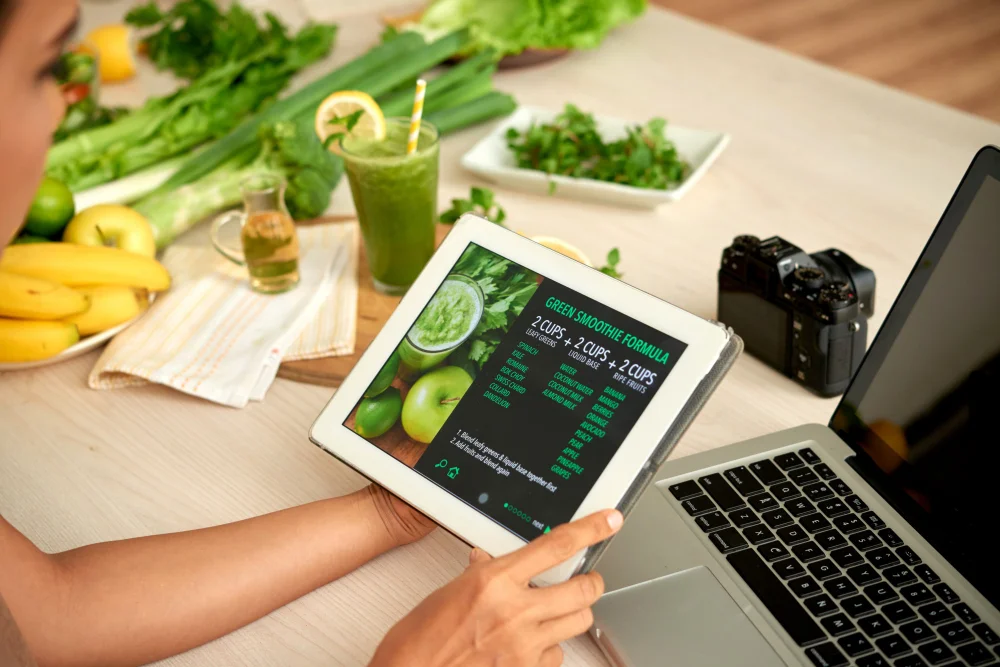
Why Relying Solely on AI for Health and Nutrition is Risky
Artificial intelligence models process text patterns from existing online databases. However, they lack medical judgment, clinical diagnostic capability, and emotional empathy. When you ask a bot to fix stubborn belly fat or balance your hormones, it generates advice based on probability, not pathology.
Medical experts frequently warn about the limitations of AI-generated health advice. Algorithms can hallucinate incorrect dosages, recommend extreme caloric restrictions, or overlook serious red flags like insulin resistance, fatty liver disease, and thyroid dysfunction.
Moreover, international AI models rarely grasp Pakistani dietary patterns. An automated prompt often suggests ingredients not accessible locally, or it drastically miscalculates the glycemic load of staple Desi meals such as roti, daal, and salan.
The Medical Protocol: Combining Smart Tools with Clinical Supervision
Technology serves best as an educational starting point rather than a licensed medical provider. Genuine healing requires an evidence-based clinical nutrition assessment backed by lab evaluations and continuous metabolic monitoring.
If you choose to explore digital wellness tools, follow this structured approach:
Use AI for Basic Information Gathering: Ask chatbots to define medical terms or suggest high-fiber vegetable lists.
Never Share Sensitive Medical Records: Protect your private health data on third-party digital platforms.
Screen for Underlying Metabolic Conditions: Get routine blood tests (HbA1c, fasting insulin, lipid profile, and ultrasound) before beginning any strict deficit.
Tailor Nutrition to Local Foods: Replace impractical Western diet templates with balanced Pakistani meal planning that regulates blood sugar naturally.
AI vs. Medical Nutrition Therapy: What Works for Long-Term Health
| Evaluation Factor | Automated AI Chatbot Plan | Clinical Protocol (Dr. Ikram’s Clinic) |
| Medical History & Labs | Ignored or unverified | Thorough review of blood panels & organ function |
| Cultural & Desi Diet Adaptation | Highly generic; suggests impractical foods | Tailored to authentic Desi home-cooked meals |
| Safety & Side-Effect Management | High risk of muscle loss & nutrient deficiency | Preserves lean mass; supports hormonal balance |
| Metabolic Disease Handling (PCOS/Diabetes) | Surface-level tips lacking nuance | Targeted medical protocol to reverse insulin resistance |
| Accountability & Adjustments | Static responses without real-time tracking | Regular check-ins and body composition analyses |
Lifestyle and Physical Activity Guidelines
Sustainable fat loss and metabolic healing go beyond meal plans. Implement these practical lifestyle habits to build lasting results:
Prioritize Resistance Training: Perform 3 sessions of bodyweight or resistance exercise weekly to preserve lean muscle tissue.
Post-Meal Walking: Take a 10-minute brisk walk after lunch and dinner to blunt blood sugar spikes.
Hydration First: Drink 2.5 to 3 liters of water daily, especially during warm seasons, to maintain optimal renal function.
Sleep Hygiene: Maintain 7 to 8 hours of uninterrupted sleep every night to regulate cortisol and hunger hormones (ghrelin and leptin).
Expected Timeline and Clinical Results
True metabolic transformation takes patience and structured consistency:
Weeks 1 to 2: Improved energy levels, reduced water retention, and decreased sugar cravings.
Weeks 3 to 6: Noticeable reduction in visceral fat, improved digestion, and better glycemic control.
Months 2 to 3: Clinically measurable improvements in lipid panels, fasting insulin markers, and sustainable fat loss of 0.5 kg to 1 kg per week.
Take Charge of Your Health with Dr. Ikram
Automated algorithms cannot replace experienced clinical eyes. If you are struggling with weight plateaus, hormonal imbalances, PCOS, or pre-diabetes, you deserve a medical strategy tailored specifically to your body and lifestyle.
Take the safe, evidence-based step toward sustainable wellness today: book a consultation with Dr. Ikram to receive your customized, medically supervised nutrition and metabolic plan.
Frequently Asked Questions (FAQs)
Can an AI chatbot diagnose my metabolic or hormonal disorder?
No. Chatbots cannot order lab work, perform physical examinations, or interpret subtle biochemical trends. Always consult a licensed doctor for accurate diagnostic testing.
Are calorie counts provided by AI chatbots accurate for Pakistani dishes?
AI models frequently miscalculate calorie and macronutrient counts in Pakistani cooking due to variations in cooking oils, ghee, and preparation methods. Clinical diet plans account for these local culinary nuances.
What are the dangers of following an AI crash diet?
Automated diets often enforce severe calorie restrictions that can trigger gallstones, muscle loss, hair thinning, and metabolic slowdown.
How should I responsibly use AI for my health?
Use AI tools to explore healthy recipes or understand general medical terminology. Take those ideas to your healthcare provider to verify their safety before changing your routine.