
Fatty Liver Diet Plan Pakistan: How to Reverse NAFLD with Local Foods
Are you feeling chronically fatigued, experiencing mild discomfort in your upper right abdomen, or recently received a ultrasound report showing a “bright liver”? You are not alone. Finding a practical fatty liver diet plan Pakistan tailored to local eating habits is one of the most effective steps you can take toward full recovery.
In Pakistan, traditional diets rich in refined carbohydrates, deep-fried snacks, and heavy oils have contributed to a quiet health crisis. Fortunately, non-alcoholic fatty liver disease (NAFLD) is largely reversible—and you do not need expensive foreign ingredients to heal your liver.
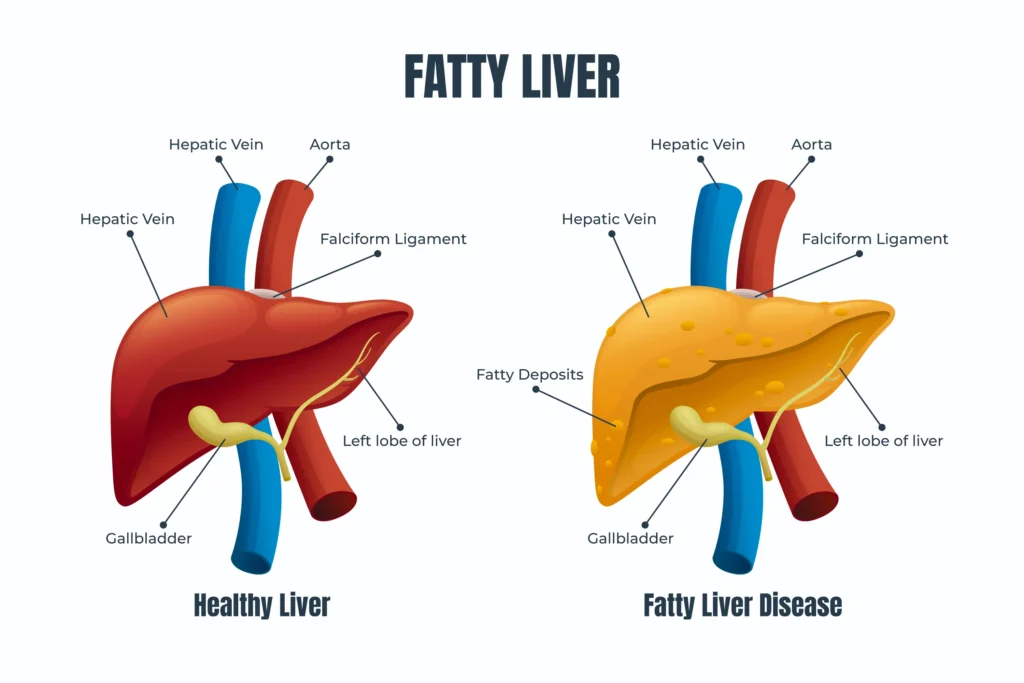
Understanding Fatty Liver (NAFLD) in Pakistan
Non-Alcoholic Fatty Liver Disease (NAFLD) occurs when excess fat builds up inside liver cells in individuals who consume little to no alcohol. The primary drivers of this condition in South Asia are insulin resistance, abdominal obesity, and high intake of refined sugars.
If left unmanaged, simple fatty liver (steatosis) can progress to non-alcoholic steatohepatitis (NASH), causing liver inflammation and irreversible scarring (cirrhosis). Reversing this condition starts with swapping inflammatory foods for nutrient-dense, locally available Pakistani ingredients.
The Ultimate Fatty Liver Diet Plan in Pakistan (Local Food Protocol)
Reversing liver fat does not mean starving yourself. It requires switching to low-glycemic, fiber-rich, and anti-inflammatory foods that give your liver a rest.
1. Breakfast (Nashta)
To Eat: 1-2 boiled egg whites with 1 small bran or whole-wheat (chakki) roti, OR a bowl of unsweetened oats porridge made with low-fat milk. Pair with green tea or black coffee without sugar.
To Avoid: Parathas, halwa puri, fried eggs in dalda/ghee, and sweet karak chai.
2. Lunch (Doper ka Khana)
To Eat: A large bowl of fresh salad (cucumber, radish, tomato, and cabbage) eaten before the main meal. Follow with 1 small whole-grain chapati, a serving of mixed dal (moong or chana), or grilled chicken breast/fish.
To Avoid: White rice (biryani/pulao), naan, commercial fried kebabs, and carbonated beverages.
3. Evening Snack (Sham ki Chai)
To Eat: Unsweetened green tea, black tea with a splash of skimmed milk, a handful of raw almonds or walnuts, or half a cup of roasted chickpeas (bhuna chana).
To Avoid: Biscuits, samosas, pakoras, and bakery pastries.
4. Dinner (Raat ka Khana)
To Eat: Keep dinner light and eat at least 2 to 3 hours before sleeping. Opt for vegetable curries cooked in minimal mustard or olive oil (e.g., palak, bhindi, or tinda) accompanied by a small chapati or a bowl of chicken/lentil soup (yakhni).
To Avoid: Heavy meat dishes (nihari, karahi with excess oil), late-night eating, and desserts.
Foods to Eat vs. Foods to Avoid for Liver Health
| Food Category | Foods to Include (Liver-Friendly) | Foods to Strictly Avoid |
| Carbohydrates | Whole-wheat (Chakki Atta), oats, barley (jowar), brown rice | White flour (maida), naan, puri, paratha, bakery items |
| Proteins | Skinless chicken, freshwater fish, lentils (dal), chickpeas | Fat-heavy red meat (beef, mutton), commercial kebabs |
| Healthy Fats | Cold-pressed mustard oil, extra virgin olive oil, raw nuts | Desi ghee, Dalda vanaspati, margarine, commercial cooking oils |
| Beverages | Green tea, black coffee, lemon water, unsweetened buttermilk | Sweetened milk tea (karak chai), fizzy drinks, packaged juices |
Essential Lifestyle & Exercise Protocols
Diet alone is only half the battle. To clear fat stored in liver tissue, your body needs regular physical activity to improve insulin sensitivity.
Daily Brisk Walking: Aim for 30 to 45 minutes of brisk walking or light jogging at least 5 days a week.
Hydration: Drink 8 to 10 glasses of plain water daily to assist metabolic detox.
Weight Management: Research aligned with global metabolic health guidelines indicates that losing just 7% to 10% of your total body weight can significantly reduce liver fat and decrease inflammation.
Expected Timeline & Reversal Results
Weeks 1 to 4: Reduced abdominal bloating, improved digestion, and initial weight loss.
Weeks 8 to 12: Noticeable reduction in liver enzyme levels (ALT and AST) on blood tests.
Months 3 to 6: Clear improvement or complete resolution of Grade 1 or Grade 2 fatty liver on follow-up ultrasound scans, provided strict adherence to diet and exercise is maintained.
Take Control of Your Liver Health: Consult Dr. Ikram
Reversing fatty liver requires a structured, personalized medical approach tailored to your specific body composition and medical background. At Dr. Ikram’s Diet & Weight Loss Clinic, we specialize in evidence-based nutritional protocols designed specifically for Pakistani dietary habits. If you are ready to take charge of your health and restore your liver naturally, book a personalized consultation with Dr. Ikram today to get a customized diet plan.
Frequently Asked Questions (FAQs)
Can fatty liver be completely reversed with diet?
Yes. Grade 1 and Grade 2 Non-Alcoholic Fatty Liver Disease (NAFLD) are fully reversible through structured caloric restriction, reduction of refined sugars, healthy fats, and regular physical exercise.
Is roti or rice better for fatty liver patients in Pakistan?
Whole-wheat (chakki) roti is significantly better than white rice. White rice rapidly spikes blood sugar levels, accelerating liver fat accumulation. If you prefer rice, opt for small portions of brown rice or barley instead.
Can I consume small amounts of desi ghee if I have fatty liver?
It is best to limit or temporarily eliminate desi ghee during the reversal phase. While natural, ghee is dense in saturated fat, which can exacerbate liver fat storage when insulin resistance is high. Use small amounts of mustard oil or cold-pressed olive oil instead.
How long does it take to clear fat from the liver?
Most patients see measurable improvements in liver enzyme markers within 8 to 12 weeks. Complete reversal on an ultrasound typically takes between 3 to 6 months of consistent diet and lifestyle adjustments.