
High Cholesterol Diet Plan Pakistan: Lower LDL Naturally
High cholesterol and elevated triglycerides have become major health concerns across Pakistan. Traditional South Asian diets often rely heavily on hydrogenated oils, ghee, deep-fried snacks, and refined carbohydrates. These choices directly contribute to rising cardiovascular diseases. However, switching to a structured high cholesterol diet plan pakistan tailored to local foods can lower your LDL (“bad”) cholesterol and restore arterial health naturally.
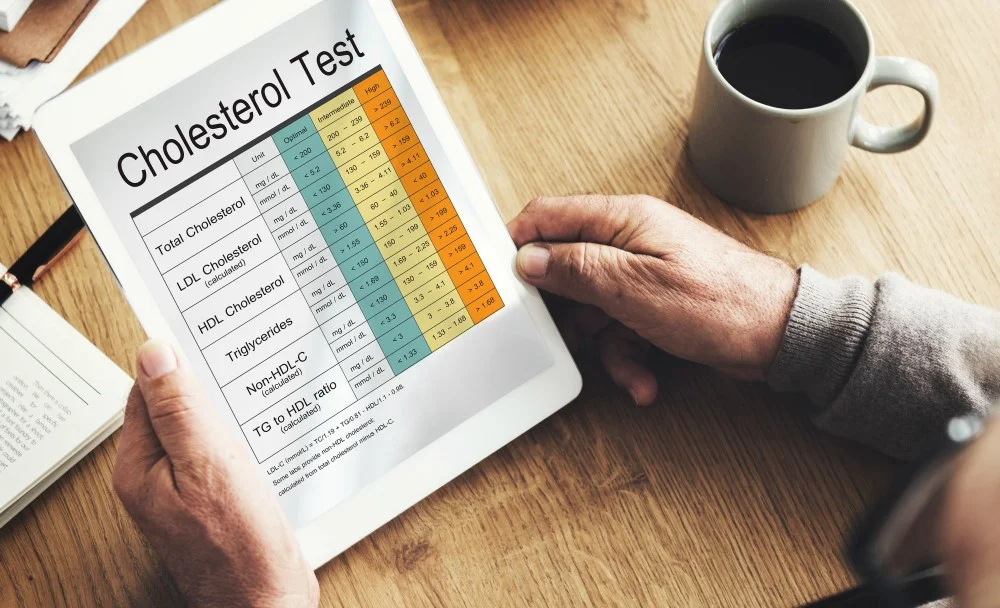
Understanding Cholesterol: Why LDL and Triglycerides Matter
Cholesterol is a waxy substance your liver produces to build cells and hormones. Problems arise when blood lipid levels balance incorrectly:
Low-Density Lipoprotein (LDL): Known as “bad” cholesterol. Excess LDL deposits plaque inside your arteries, narrowing blood pathways.
High-Density Lipoprotein (HDL): Known as “good” cholesterol. HDL carries excess cholesterol back to your liver for elimination.
Triglycerides: A type of fat in your blood stored from unused calories, particularly from sugar, refined flour, and alcohol.
When LDL and triglycerides remain elevated, your risk of hypertension, coronary artery disease, and stroke increases significantly. Research supported by the American Heart Association confirms that adopting evidence-based dietary strategies for cholesterol management forms the first line of defense against cardiovascular disease.
The Pakistani Cholesterol-Lowering Medical Diet Protocol
Lowering cholesterol in Pakistan does not require abandoning traditional meals. Instead, it requires swapping harmful saturated fats and refined sugars for heart-healthy local alternatives.
1. Prioritize Soluble Fiber Daily
Soluble fiber acts like a sponge in your digestive tract, binding to cholesterol particles and flushing them out before they enter your bloodstream. Clinical trials on the impact of soluble fiber on serum LDL levels show significant reductions in lipid profiles.
Breakfast: Swap parathas for oatmeal (jo ka dalia) cooked in low-fat milk or water, topped with a tablespoon of crushed flaxseeds or chia seeds.
Daily Addition: Consume 1–2 teaspoons of psyllium husk (isabgol) in plain water 30 minutes before lunch.
2. Upgrade Your Cooking Oils
Repeatedly heated vegetable oils, vanaspati ghee, and butter contain high amounts of trans fats and saturated fatty acids.
Best Choices: Cook meals using limited quantities of cold-pressed mustard oil (sarson ka tel), extra virgin olive oil, or canola oil.
Quantity Rule: Limit total cooking oil consumption to no more than 2–3 teaspoons per person per day.
3. Choose Lean Proteins and Plant Legumes
Red meats (beef and mutton) contain high levels of saturated fats that spike LDL.
Replace Red Meat With: Skinless chicken breast, white fish (like Rahu or Pamplait), and local legumes (chana daal, moong daal, lobia).
Preparation: Bake, steam, or grill your meat. Avoid traditional karahi preparation styles heavy in oil and ghee.
Dietary Comparison: Foods to Eat vs. Foods to Avoid
Making smart grocery choices simplifies your daily meal prep. Use this simple checklist for your household:
| Food Category | Foods to Include (Heart-Healthy) | Foods to Strictly Limit / Avoid |
| Grains & Staples | Whole wheat roti (chakki atta), brown rice, barley (jowar), oats | White flour (maida), naan, puri, parathas, bakery items |
| Proteins | Daal, chickpeas, red kidney beans, grilled fish, chicken breast | Beef, mutton, processed sausages, fried chicken, organ meats |
| Fats & Oils | Mustard oil, olive oil, walnuts, almonds, flaxseeds | Vanaspati ghee, butter, margarine, reused cooking oils |
| Dairy | Skimmed milk, low-fat yogurt (dahi) | Whole milk, malai, heavy cream, full-fat cheese |
| Snacks & Sweets | Roasted makhana, fresh fruits (apples, guavas), raw cucumber | Halwa puri, mithai, samosas, pakoras, potato chips |
Essential Lifestyle Changes for Faster Results
Dietary changes work best when paired with targeted daily habits:
Brisk Walking: Aim for 30–40 minutes of continuous brisk walking at least 5 days a week. Physical movement increases HDL cholesterol while shrinking triglyceride levels.
Eliminate Liquid Sugars: Avoid packaged juices, carbonated sodas, and sweetened doodh patti. Choose green tea with lemon or mint water instead.
Manage Daily Stress: Chronic stress raises cortisol levels, which elevates blood lipid profiles. Practice deep breathing or evening strolls.
Expected Timeline and Medical Results
When adhering strictly to a heart-healthy diet plan:
2 to 4 Weeks: Triglycerides often show the fastest decline, dropping significantly as refined sugar intake stops.
6 to 12 Weeks: LDL cholesterol levels typically decrease by 10% to 15%, as measured by a standard Lipid Profile blood test.
Individual results vary depending on baseline lipid levels, metabolic health, and genetics.
Take Control of Your Heart Health with Dr. Ikram
Managing lipid levels requires a personalized approach that respects your medical history, taste preferences, and daily routine. Generic advice rarely produces long-term success.
At Dr. Ikram’s Diet & Weight Loss Clinic, we design clinically validated, easy-to-follow nutrition programs focused on sustainable cardiovascular wellness. If you are ready to normalize your cholesterol levels without sacrificing flavor, book a consultation with Dr. Ikram today to receive your custom medical diet plan.
Frequently Asked Questions (FAQs)
Is Desi Ghee safe for high cholesterol patients?
No. Desi ghee contains high levels of saturated fat. While small amounts are less harmful than hydrogenated vanaspati ghee, consuming desi ghee consistently will elevate LDL cholesterol levels.
Can I eat eggs if my cholesterol is high?
Yes, but in moderation. Egg whites are completely fat-free and high in protein. If you have elevated LDL, limit egg yolk intake to 2–3 per week while eating egg whites daily.
How does Isabgol (Psyllium Husk) help lower LDL?
Isabgol contains soluble fiber that forms a gel-like substance in the gut. This gel binds to cholesterol-rich bile acids and removes them through digestion, forcing the liver to extract cholesterol from the blood to produce more bile.
Are dry fruits good for cholesterol?
Yes. Unsalted almonds, walnuts, and pistachios contain monounsaturated fats and omega-3 fatty acids that improve your lipid profile. Keep servings to a small handful (about 20–30 grams) daily.