
High-Protein Pakistani Foods List: Best Local Options for Fat Loss & Muscle
A traditional Pakistani diet is undeniably delicious, but it is often heavy on refined carbohydrates and fats. From oil-laden parathas to white rice and naan, meeting your daily fitness goals can feel like an uphill battle. However, incorporating high-protein pakistani foods into your daily routine is the single most effective shift you can make for sustainable fat loss and muscle retention.
Protein helps control hunger hormones, keeps you full for hours, and accelerates fat loss while preserving lean muscle mass. You do not need expensive imported supplements or unfamiliar Western foods to achieve your fitness goals. Our local Pakistani markets are filled with affordable, nutrient-dense protein options that fit right into your household cooking.
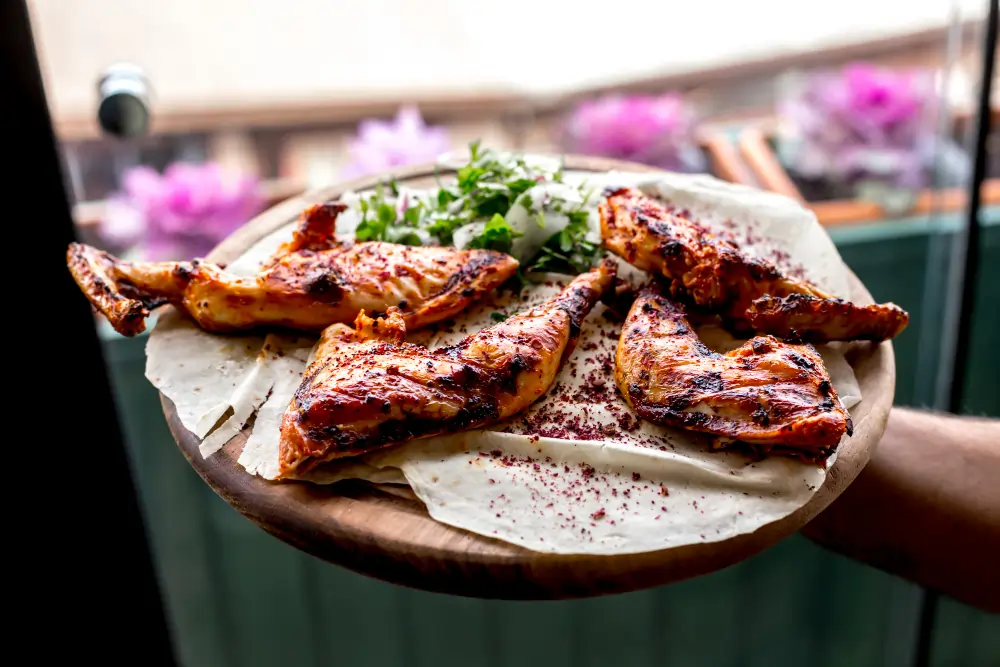
Why High-Protein Intake Matters in the Pakistani Context
Most traditional Pakistani meals contain a high ratio of carbohydrates to protein. While lentils and whole grains provide energy, a carbohydrate-dominant diet can lead to rapid blood sugar spikes and frequent hunger pangs.
By prioritizing protein in every meal, you stabilize your blood sugar levels and boost your metabolic rate. Medical research indexed on PubMed confirms that higher protein intake supports satiety and body composition during weight loss. This makes high-protein eating crucial for overcoming stubborn abdominal fat.
Actionable High-Protein Pakistani Foods List
To help you hit your daily goals, align your diet with established recommended daily protein intake guidelines. Here are the top local staples categorized for easy meal planning:
1. Lean Poultry & Meats
Skinless Chicken Breast: The ultimate lean protein staple in Pakistan. A 100g serving provides roughly 31 grams of high-quality protein. Cook it as tikka, steam roast, or lean curry with minimal oil.
Lean Beef or Mutton Cuts: Red meat is rich in bioavailable iron and zinc. Choose lean cuts like shank (bong) or sirloin, and prepare them as grilled kebabs or clear stew (yakhni).
Egg Whites & Whole Eggs: Eggs are cheap, readily available, and versatile. Two whole eggs with two extra egg whites give you around 18 grams of complete protein for breakfast.
2. Fish & Seafood
Local River Fish (Rahu, Sole, Surmai): Packed with omega-3 fatty acids and lean protein. Opt for pan-seared, grilled, or baked fish instead of traditional deep-fried fish coated in heavy batter.
3. Dairy Products
Desi Dahi (Low-Fat Yogurt or Hung Curd): Straining regular home dahi removes excess whey, turning it into a high-protein, probiotic-rich thick yogurt similar to Greek yogurt.
Paneer (Cottage Cheese): Freshly made paneer using low-fat milk provides sustained slow-digesting casein protein, ideal for evening snacks.
4. Pulses, Lentils & Beans
Kala Chana (Black Chickpeas) & White Chana: Excellent sources of plant-based protein and dietary fiber. Enjoy them as a boiled chaat with lemon juice and spices.
Daal Chana, Lobia (Kidney Beans), & Moong Daal: While lentils contain carbs, combining them with lean protein sources creates a well-rounded meal.
Smart Swaps: High-Protein Foods vs. Traditional Refined Carbs
Use this quick guide to substitute calorie-dense, low-nutrient foods with local high-protein alternatives:
| Food Category | High-Protein Local Alternative | Traditional Heavy Option to Avoid | Protein per Serving (Approx.) |
| Breakfast | 3 Omelet Whites + 1 Whole Egg + Boiled Chana | Plain Paratha with Sweet Chai | ~22g |
| Lunch | Grilled Chicken Tikka + Fresh Salad + 1 Roti | Chicken Biryani with Extra Rice | ~35g |
| Evening Snack | Strained Hung Dahi / Boiled Kala Chana Chaat | Samosas or Pakoras | ~14g |
| Dinner | Mutton Seekh Kebab (Bake/Air-Fry) + Cucumber Raita | Heavy Mutton Nihari with Naan | ~30g |
Lifestyle & Exercise Tips to Maximize Results
Eating enough protein is only half the formula; your body needs the right lifestyle signals to use that protein efficiently:
Incorporate Resistance Training: Engage in strength training or bodyweight exercises 3 to 4 times a week to stimulate muscle repair and growth.
Distribute Protein Evenly: Aim for 20 to 35 grams of protein per main meal rather than consuming all your protein in a single heavy dinner.
Stay Well-Hydrated: High-protein diets increase nitrogen turnover. Drink at least 8 to 10 glasses of water daily to support kidney function and digestion.
Expected Timeline & Results
When you transition to a protein-focused Pakistani diet, expect noticeable changes:
Week 1–2: Reduced evening sugar cravings and less bloating due to improved satiety and reduced refined carb intake.
Week 3–4: Initial fat loss (typically 1 to 2 kg per month when paired with a moderate calorie deficit) alongside better workout energy.
Month 2 & Beyond: Visibly improved muscle tone, better metabolic efficiency, and sustainable weight management without starvation.
Ready to Transform Your Health? Consult Dr. Ikram Today
Every individual’s metabolic profile, medical history, and weight loss needs are unique. While this food list serves as a strong foundation, customized medical guidance ensures faster, safer, and long-lasting results.
If you are struggling with stubborn weight, insulin resistance, or PCOS, take the first step toward your health goals today. Click here to book a personalized diet consultation with Dr. Ikram and receive a tailored meal plan designed specifically for your body and lifestyle.
Frequently Asked Questions (FAQs)
1. Can I get enough protein on a vegetarian Pakistani diet?
Yes. By combining plant-based sources like kala chana, lobia, paneer, strained dahi, and whole grains, vegetarians can easily meet their daily protein requirements without meat.
2. Is eating too much daal (lentils) bad for fat loss?
Lentils are healthy, but they contain more carbohydrates than protein. Eating large portions of daal with extra rice can exceed your calorie limit. Pair moderate portions of daal with lean meats, eggs, or salad for a balanced meal.
3. How much protein do I need daily for muscle growth?
For active individuals looking to build muscle or lose fat, a common target is 1.2 to 2.0 grams of protein per kilogram of body weight per day, adjusted based on your overall health status.
4. Does traditional Pakistani cooking destroy the protein in meat?
High heat does not destroy the protein content itself, but traditional deep-frying and using excessive oil (tarka/ghee) add unnecessary empty calories. Stick to roasting, baking, air-frying, or light curry preparations.