
IBS Diet Chart Pakistan: What to Eat and Avoid for Lasting Gut Relief
Few daily struggles are as disruptive as an unpredictable gut. Rushing to find a washroom after a plate of spicy biryani, enduring painful abdominal spasms after evening chai, or waking up with a flat stomach only to look six months pregnant by evening is physically exhausting.
For millions of people across Pakistan, this chronic cycle of abdominal pain, bloating, constipation, and diarrhea is diagnosed as Irritable Bowel Syndrome (IBS).
Standard dietary advice on the internet usually suggests eating steamed kale, berries, and quinoa. However, these Western templates fail completely inside a South Asian household. Finding true relief requires an IBS diet chart Pakistan residents can realistically execute using everyday bazaar ingredients, traditional spices, and home-cooked curries.
By integrating a structured clinical gut-health protocol with localized nutritional science, you can soothe intestinal irritation without abandoning your cultural palate.
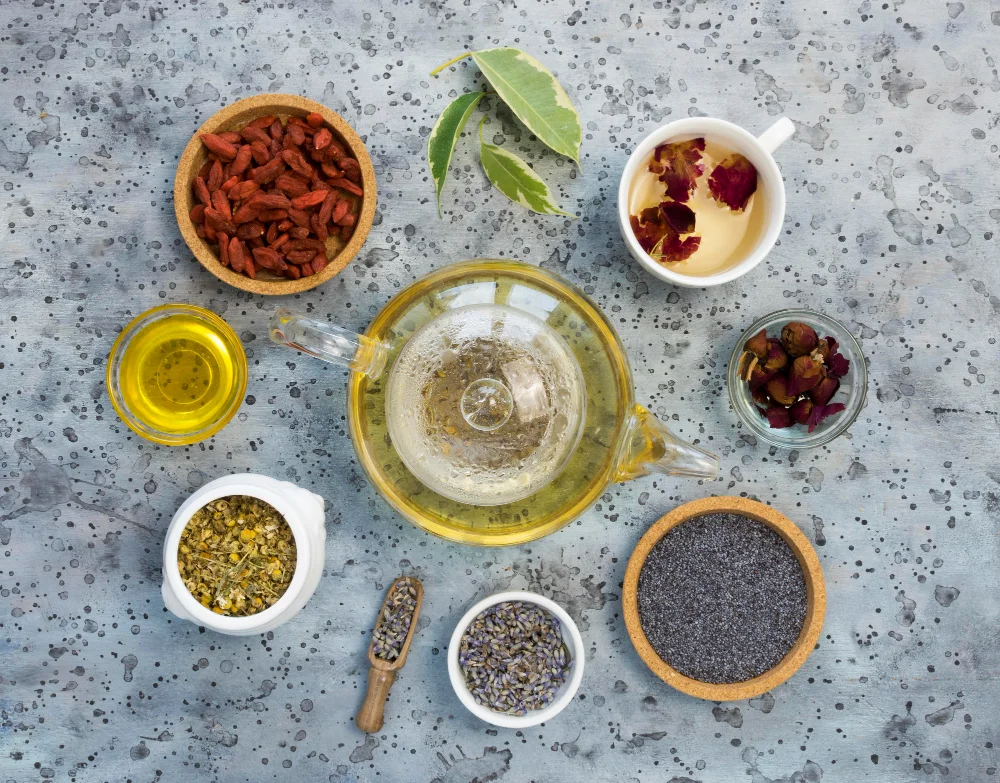
The Physiological Mechanism: Why IBS Flares in Pakistani Kitchens
Irritable Bowel Syndrome is a disorder of the gut-brain axis, characterized by altered intestinal motility and visceral hypersensitivity. In a healthy gastrointestinal tract, muscular contractions move food smoothly through the intestines. In an IBS patient, however, the nerve endings lining the gut wall are hyper-reactive. Normal digestive stretches feel excruciating.
The primary biochemical triggers in our local diet belong to a group of short-chain carbohydrates known as FODMAPs (Fermentable Oligosaccharides, Disaccharides, Monosaccharides, and Polyols). Extensive research indexed in PubMed highlights that low-FODMAP dietary interventions for irritable bowel syndrome significantly reduce colonic gas and mucosal irritation.
When you consume high-FODMAP ingredients, two distinct physiological reactions occur:
Osmotic Fluid Shift: Poorly absorbed carbohydrates pull excess water into the small intestine, triggering rapid transit and explosive diarrhea (IBS-D).
Rapid Colonic Fermentation: Undigested sugars enter the large intestine, where resident gut bacteria ferment them within minutes. This produces hydrogen, methane, and carbon dioxide gases that stretch the bowel wall, triggering severe cramping and stubborn constipation (IBS-C).
Pakistani cooking traditions inadvertently maximize these triggers. Our fundamental gravy base (salan) relies heavily on caramelized onions and raw garlic pastes—two of the world’s most concentrated sources of fructans. When combined with deep-fried fats, chili peppers, and high-lactose dairy, the intestinal lining experiences severe mechanical and chemical distress.
Practical Desi Diet Protocol: Transforming Pakistani Kitchen Habits
Healing an irritated digestive tract does not mean eating boiled, tasteless meals. It requires adjusting preparation techniques, controlling serving sizes, and using gut-soothing eastern herbs.
1. The Tarka Reconstruction
Traditional tarka floods the gut with free fructans and oxidized oils. Onions and garlic leach their fermentable oligosaccharides into water-based gravies.
The Clinical Solution: Fructans are water-soluble but not oil-soluble. You can sauté whole garlic cloves in warm mustard oil or pure ghee to extract the rich aroma, then discard the solid cloves before adding your vegetables or meat.
The Digestive Boost: Season your tempering with crushed ginger (adrak), whole cumin seeds (zeera), carom seeds (ajwain), and a pinch of pure asafoetida (hing). These carminative spices accelerate gastric emptying and ease visceral spasms.
2. The Doodh Patti Audit
Commercial buffalo milk across Pakistan contains elevated levels of lactose alongside dense saturated fats. Boiling strong black tea leaves directly inside sweet buffalo milk (doodh patti) creates a hyper-osmolar beverage that shocks the ileocecal valve.
The Clinical Solution: Switch to fresh, homemade green tea infused with fennel seeds (saunf) and fresh mint (pudina). If you must drink black tea, dilute low-fat cow’s milk with equal parts hot water, or use commercially prepared lactose-free milk. Never sweeten your tea with high-fructose corn syrups or polyol-heavy artificial sweeteners like sorbitol.
3. Smart Daal Preparation
Pulses are rich in galacto-oligosaccharides (GOS), which frequently trigger massive gas distension.
The Clinical Solution: Strictly avoid whole black lentils (urad/maash daal), large kidney beans (lobia/rajma), and whole chickpeas (kabuli chana) during active flare-ups.
Preparation Protocol: Transition to split, washed yellow lentils (moong daal). Soak the lentils in warm water for at least 6 to 8 hours before cooking. Drain the soaking liquid completely, boil the lentils in fresh water, and skim off the white surface foam before seasoning.
4. Ispaghol: Use It Correctly
Psyllium husk (ispaghol) is a staple in every Pakistani medicine cabinet, yet most patients misuse it.
For IBS-C (Constipation-dominant): Stir one level tablespoon of ispaghol into a full, 250ml glass of lukewarm water and drink it immediately before it gels. You must follow this with a second glass of plain water. Without adequate water, psyllium forms a dense fecal impaction that worsens cramping.
For IBS-D (Diarrhea-dominant): Mix one level tablespoon of ispaghol into 100 grams of fresh, homemade curd (dahi). The soluble fiber binds loose stool watery content, while the dahi calms hyperactive peristalsis.
Clinical Food Swap Guide: Desi Meals Reimagined
Navigating your daily grocery list requires distinct boundaries. The following table provides culturally tailored substitutions to keep your gut calm while ensuring complete macronutrient balance.
| Food Category | Foods to Prioritize (Gut-Soothing) | Foods to Strictly Limit / Avoid (High-FODMAP & Irritants) |
| Grains & Flours | Fine whole-wheat chapati (chaki atta, max 1-2 per meal), plain boiled white basmati rice, rolled oats, rice porridge (khichdi). | Commercial white flour naan, bakery rusks, flaky parathas, puri, instant white noodles, barley rotis. |
| Proteins & Poultry | Skinless chicken breast/thighs, lean mutton cuts, fresh river fish, whole boiled eggs, well-soaked washed yellow moong daal. | Maash daal, chana daal, haleem, nehari, commercial seekh kababs with raw onion fillings, processed sausages. |
| Vegetables | Lauki (bottle gourd), tori (ridge gourd), kaddu (pumpkin), tinda (apple gourd), fresh spinach (palak in modest portions), peeled cucumbers. | Raw onions (kachumar salad), raw garlic paste, cauliflower (phool gobi), cabbage (band gobi), bitter gourd (karela), raw radishes (mooli). |
| Dairy | Fresh homemade strained yogurt (dahi), small portions of cottage cheese (paneer), lactose-free milk. | Heavy buffalo cream (balai), sweetened condensed milk, doodh patti, kulfi, ice cream, high-fat processed cheese slices. |
| Fats & Oils | Cold-pressed mustard oil (sarson ka tel), pure cow’s desi ghee (1 tsp per meal), extra virgin olive oil for cold drizzles. | Reused commercial vegetable/palm ghee, heavily processed industrial seed oils, deep-fried street pakoras and samosas. |
| Beverages & Fruits | Fresh mint tea, lukewarm water, peeled unripe bananas, firm sweet papayas, sweet melons (kharbooza). | Unfiltered commercial tap water, fizzy carbonated sodas, concentrated mango pulp, large apples, guavas with hard seeds. |
Calculate Your Baseline: Check Your Metabolic Health
Sustained gut inflammation frequently disrupts nutrient assimilation, leading to either unintended weight loss or stubborn abdominal fat accumulation driven by cortisol.
Before modifying your daily caloric intake, understand your baseline metabolic targets. Use Dr. Ikram’s Free BMI Calculator to determine your precise daily energy expenditure, assess your current Body Mass Index (BMI), and establish a safe baseline for gut healing.
Medical Red Flags: When Diet Alone Is Not Enough
While a tailored nutritional chart resolves functional discomfort for the vast majority of patients, IBS is a diagnosis of exclusion. You must never assume chronic abdominal pain is harmless without proper screening.
The American College of Gastroenterology (ACG) clearly defines specific “alarm features” that require immediate clinical intervention rather than self-directed home management.
Consult a specialist immediately if you experience:
Unintentional Weight Loss: Dropping multiple kilograms in a month without caloric restriction.
Nocturnal Awakenings: Diarrhea or severe abdominal cramps that wake you from a sound sleep.
Gastrointestinal Bleeding: Frank red blood in the stool or unexplained black, tarry bowel movements.
Systemic Indicators: Unexplained persistent low-grade fever, skin rashes, or chronic joint pain.
Late-Onset Symptoms: Experiencing your first severe gastrointestinal flare-up after age 50.
Laboratory Abnormalities: Blood work revealing microcytic iron-deficiency anemia or high inflammatory markers like C-reactive protein (CRP) and fecal calprotectin.
These red flags may point toward underlying organic pathologies, such as Celiac Disease, Inflammatory Bowel Disease (Crohn’s or Ulcerative Colitis), small intestinal bacterial overgrowth (SIBO), or gastrointestinal malignancies.
Take Control of Your Health: Book a Consultation with Dr. Ikram
Treating Irritable Bowel Syndrome requires an individualized approach. A trigger food for one person might be entirely safe for another. Guessing your way through restrictive diets often leads to nutritional deficiencies, food anxiety, and persistent discomfort.
At Dr. Ikram’s Diet & Weight Loss Clinic, we analyze your complete clinical history, metabolic profile, and daily food logs. We build an actionable, step-by-step clinical protocol tailored to your family’s kitchen reality.
Whether you are based in Karachi and prefer an in-person physical evaluation or need a dedicated virtual plan from anywhere across Pakistan and overseas, our team provides evidence-based dietary guidance that lasts.
Take the decisive step toward lasting digestive peace. Schedule a personalized clinical consultation via WhatsApp or visit our clinical facility to reclaim your health today.
Frequently Asked Questions About Managing IBS in Pakistan
Is homemade Pakistani dahi safe for IBS patients?
Yes, homemade dahi is generally well tolerated and beneficial. The natural fermentation process uses live lactic acid bacteria that pre-digest much of the lactose content. However, keep your serving sizes moderate—around 100 to 150 grams per sitting—and make it from skimmed milk rather than full-fat buffalo milk to minimize digestive load.
Can I continue eating whole-wheat roti on an IBS diet?
Yes, but portion control and flour type are critical. Traditional Pakistani stone-ground whole wheat (chaki atta) contains beneficial insoluble fiber, but it also carries fructans. If you have active IBS-D, limit yourself to one thin chapati per meal, or temporarily introduce a blend of rice flour and fine wheat flour to lower the overall fermentable carbohydrate density.
Why does drinking tea instantly trigger my stomach cramps?
Traditional Pakistani chai triggers gut spasms through three separate mechanisms: the concentrated caffeine speeds up colonic motility; the high lactose content in buffalo milk draws fluid into the bowel; and the elevated temperature stimulates the gastrocolic reflex. Switching to light green tea or fennel tea eliminates these triggers immediately.
How long should I follow this localized elimination plan?
A clinical low-FODMAP elimination phase should only last between 2 to 6 weeks. Once your bloating and irregular bowel habits settle, you must begin systematically reintroducing individual food groups one at a time. This systematic reintroduction helps you identify your personal triggers while keeping your daily diet as diverse and nourishing as possible.