
Is It OK to Lose Weight by Starving Yourself? A Doctor’s Honest Answer
Skipping meals, surviving on black tea, or cutting daily intake to a few hundred calories might seem like the quickest way to slim down. Many people wonder: is it really ok to lose weight by starving yourself?
From a clinical perspective, the short answer is NO. While starvation leads to rapid drops on the weighing scale, most of that initial loss is water and essential lean muscle, not pure body fat. Severe caloric deprivation damages your metabolic rate, depletes vital micronutrients, and almost always triggers rapid weight regain.
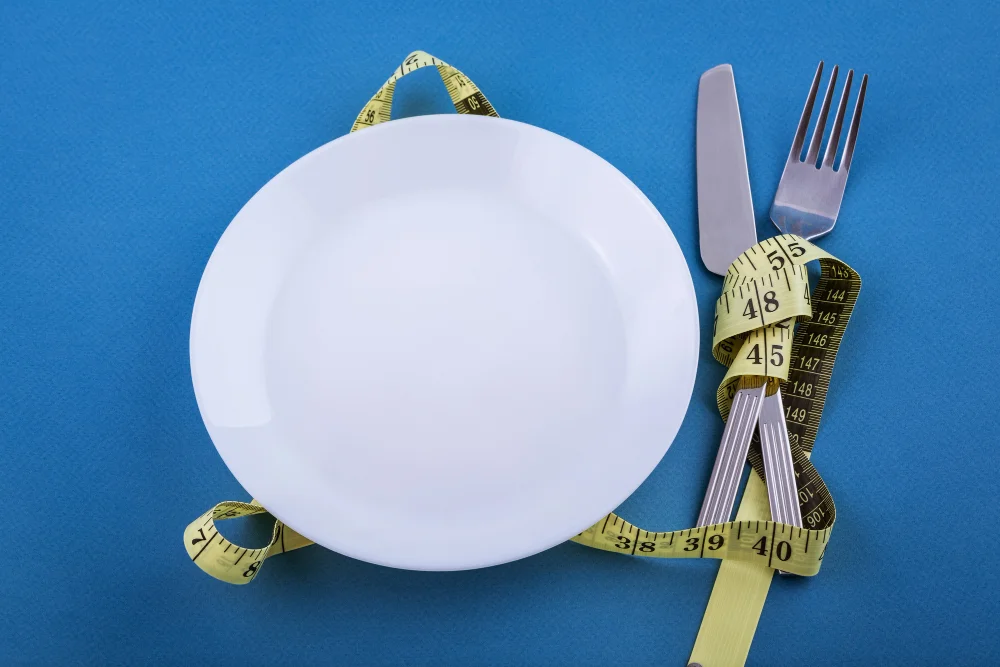
What Happens to Your Body During Extreme Starvation?
When you slash your calorie intake to extreme lows, your body perceives a severe famine. Instead of burning stubborn fat efficiently, your metabolism shifts into survival mode.
Muscle Breakdown: To preserve glucose for your brain, your liver breaks down muscle tissue for energy. Losing lean muscle permanently lowers your daily resting calorie burn.
Metabolic Slowdown: Clinical research demonstrates that adaptive thermogenesis slows your metabolism, forcing your thyroid and leptin hormones to drop sharply.
Severe Nutrient Deficiencies: Starvation deprives your system of iron, zinc, B-vitamins, and electrolytes. This leads to chronic fatigue, hair fall, dizziness, and compromised immunity.
The Binge-Restrain Cycle: Severe hunger elevates ghrelin (the hunger hormone), inevitably triggering uncontrollable food cravings and binge eating.
Starvation Diets vs. Sustainable Fat Loss
Starving yourself creates a vicious cycle of metabolic damage. Contrast extreme deprivation with a balanced medical protocol:
| Metric / Aspect | Starvation / Crash Dieting | Clinically Guided Fat Loss |
| Primary Weight Lost | Water weight & lean muscle | Stored adipose tissue (body fat) |
| Metabolic Health | Slows resting metabolic rate | Preserves metabolic efficiency |
| Hormonal Balance | High cortisol, suppressed thyroid | Balanced leptin and ghrelin |
| Energy & Mood | Brain fog, irritability, lethargy | Steady energy throughout the day |
| Long-Term Sustainability | High rate of rebound weight gain | Permanent lifestyle maintenance |
A Sustainable, Pakistani-Tailored Fat-Loss Protocol
Sustainable fat loss does not require giving up cultural foods or starving your body. Aligning your meals with WHO nutritional recommendations ensures you create a moderate caloric deficit while nourishing your cells.
Focus on Protein First: Incorporate desi eggs, grilled chicken breast, lentils (daal), fish, or low-fat yogurt (dahi). Protein preserves muscle mass and keeps you full for hours.
Upgrade Your Carbohydrates: Replace refined white flour (maida) with whole-wheat (chakki atta), bran bread, or brown rice in controlled portions.
Fill Half Your Plate with Fiber: Fresh seasonal salads, cucumbers, spinach (palak), and sautéed vegetables add volume to your meals without excess calories.
Do Not Fear Healthy Fats: Use measured quantities of olive oil, mustard oil, or raw nuts rather than deep-frying foods in commercial ghee.
Smart Food Swaps for Safe Weight Loss
Making simple dietary adjustments creates steady results without hunger pangs:
| Foods to Limit / Avoid | Healthy Alternatives to Eat |
| Fried samosas, pakoras, and parathas | Air-fried vegetable cutlets, dry whole-wheat roti |
| Sugary chai, sweetened lassis, and sodas | Unsweetened green tea, lemon water, black coffee |
| Refined bakery biscuits and rusk | Roasted chickpeas (bhunay channay), mixed raw nuts |
| Processed cheese slices and heavy cream | Homemade low-fat paneer, strained Greek yogurt |
Lifestyle Habits That Accelerate Natural Fat Loss
Dietary balance works best when supported by daily lifestyle adjustments:
Hydrate Consistently: Drink 2.5 to 3.5 liters of water daily. Thirst is frequently mistaken for hunger.
Prioritize Strength Training: Engage in resistance workouts or brisk walking for 30–45 minutes, 4–5 times a week to keep muscle tone intact.
Sleep 7 to 8 Hours Nightly: Poor sleep spikes cortisol, signaling your body to store visceral belly fat.
Expected Timeline: What Safe Results Look Like
Safe, doctor-approved weight loss targets 0.5 kg to 1 kg (1 to 2 lbs) per week.
While this may seem slower than a crash diet, this weight comes directly from fat stores. Slower, consistent progress ensures your skin stays toned, your hair remains healthy, and the weight stays off permanently.
Take Control of Your Health with Dr. Ikram
Crash diets offer temporary illusions, but medical nutrition delivers lifelong vitality. You do not have to navigate this journey through extreme deprivation.
Ready to achieve your target weight without starvation or weakness? Book a personalized consultation with Dr. Ikram today to receive a customized diet plan tailored to your metabolic profile, medical history, and lifestyle.
Frequently Asked Questions (FAQs)
Will starving myself for a week help me lose belly fat?
Starving yourself for a week will cause rapid weight loss on the scale, but the reduction is mostly water weight and glycogen, not visceral belly fat. Once you resume eating, the weight returns immediately.
How many calories are considered starvation level?
Consuming fewer than 1,000 to 1,200 calories per day without strict medical supervision is generally classified as severe caloric restriction. It risks slowing down your basal metabolic rate.
How can I repair my metabolism after a crash diet?
Gradually increase your calories using nutrient-dense whole foods (reverse dieting), increase dietary protein, and incorporate resistance training to rebuild lost lean muscle tissue.