
Why Sustainable Weight Loss Requires Medical Supervision: A Karachi Physician’s Guide
Are you tired of jumping from one crash diet to another without lasting results? Achieving medical weight loss in Karachi is not just about cutting calories or skipping your favorite meals. In reality, safe and sustainable weight management requires an accurate understanding of your metabolic health, hormones, and lifestyle.
Crash diets promise quick drops on the scale. However, they frequently cause muscle loss, nutritional deficiencies, and rebound weight gain.
Let us explore why medical supervision is essential for achieving permanent weight loss in Pakistan.
The Hidden Trap of Fad Diets in Pakistan
Urban lifestyle in Karachi presents unique metabolic challenges. Long working hours, sedentary routines, and rich culinary traditions make weight control difficult.
When people try extreme measures—such as starvation diets, slimming teas, or unverified supplements—they disrupt their metabolism.
According to research highlighting the global health risks of obesity, excess body fat increases the likelihood of type 2 diabetes, fatty liver disease, and hypertension. In South Asian populations, visceral fat accumulates rapidly around vital organs. As a result, standard diet trends often fail because they ignore underlying conditions like:
Insulin resistance and pre-diabetes
Polycystic Ovary Syndrome (PCOS) in women
Thyroid dysfunctions (Hypothyroidism)
High uric acid and cholesterol imbalances
What Makes Medically Supervised Weight Loss Different?
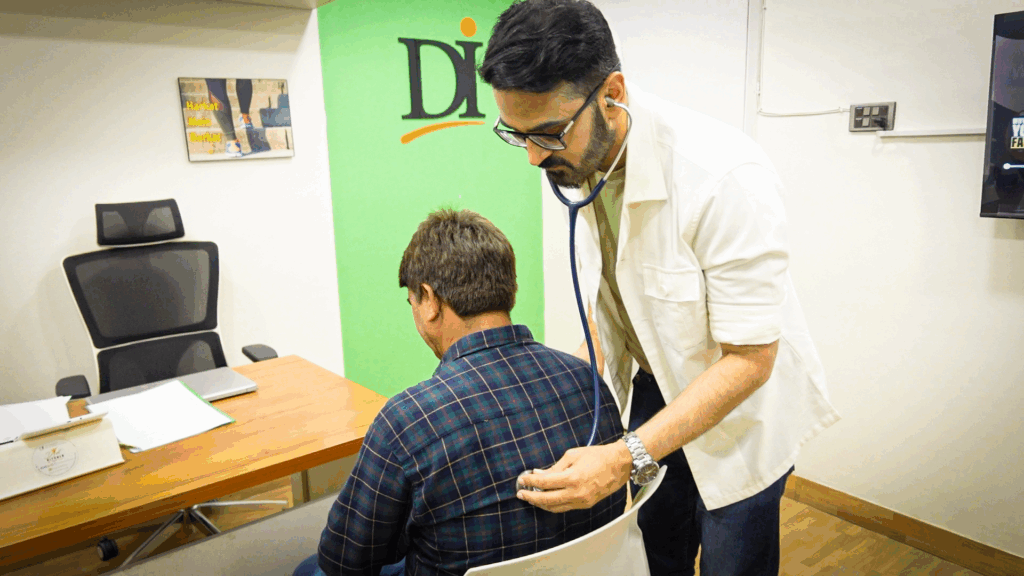
Medical weight loss is a physician-guided, evidence-based approach. Instead of guessing, a doctor evaluates your internal biochemistry before prescribing a plan.
Physicians follow clinical obesity management guidelines to tailor interventions to your body’s specific metabolic rate.
A comprehensive clinical protocol includes:
Comprehensive Blood Profiling: Fasting insulin, lipid panels, HbA1c, liver enzymes, and thyroid levels.
Body Composition Analysis: Measuring visceral fat and muscle mass rather than just total scale weight.
Targeted Nutritional Plans: Designing balanced diets that fit Pakistani eating habits while maintaining a controlled caloric deficit.
Monitoring and Adjustments: Regular check-ins to monitor blood markers, prevent metabolic slowdown, and adjust protocols safely.
Crash Dieting vs. Medical Weight Loss
| Factor | Unsupervised Crash Diets | Medically Supervised Weight Loss |
| Primary Focus | Rapid water and muscle loss | Sustainable fat loss & muscle preservation |
| Hormonal Assessment | Completely ignored | Evaluates thyroid, insulin, and cortisol levels |
| Dietary Approach | Severe starvation or cutting entire food groups | Balanced, culturally adaptable nutrition |
| Health Risks | Fatigue, hair loss, gallstones, metabolic crash | Safe, monitored, and energizing |
| Long-Term Sustainability | High rate of rebound weight gain (Yo-Yo effect) | Long-term weight maintenance and lifestyle change |
Practical Dietary Swaps for Karachi Residents
You do not need to give up traditional food to lose weight. Instead, make smarter choices that support your metabolic health:
Swap refined white flour (maida): Choose whole wheat (chakki atta), barley, or bajra rotis.
Reduce hidden cooking fats: Cut down on excess ghee and dalda in home-cooked curries (salan).
Increase lean protein intake: Incorporate grilled chicken, fish, lentils (daal), eggs, and low-fat paneer into every meal.
Replace sugary refreshments: Avoid sodas, packaged juices, and sweetened doodh patti. Opt for plain green tea, lemon water, or mint infused water.
Realistic Timeline: What Results Should You Expect?
Safe weight loss takes time. A healthy target is losing 0.5 to 1 kilogram (1 to 2 lbs) per week.
Weeks 1–4: Initial reduction in water retention, reduced bloating, and increased energy levels.
Months 2–3: Measurable fat loss, improved insulin sensitivity, and noticeable inch loss around the waist.
Months 4–6: Significant metabolic improvements, lower HbA1c levels, stabilized blood pressure, and long-term habits.
Take the Safe Route to a Healthier You
Weight loss is not a test of willpower; it is a medical journey. If you have been struggling to lose weight despite dieting, your hormones or metabolism may need clinical attention.
Take the first step toward lasting health today. You can book an appointment with Dr. Syed Ikram on oladoc to get a customized, medically backed weight management plan designed specifically for your body and lifestyle.
Frequently Asked Questions (FAQs)
1. Why do I regain weight immediately after stopping a diet?
Crash diets slow down your resting metabolic rate. When you return to normal eating, your body stores calories faster as fat. Medical weight loss protects your metabolism so you can keep the weight off permanently.
2. Can medical weight loss help manage PCOS or fatty liver?
Yes. Managing insulin resistance through medical supervision is one of the most effective ways to reverse non-alcoholic fatty liver disease (NAFLD) and regulate menstrual cycles in women with PCOS.
3. Are slimming teas and fat-burner pills safe?
Most commercial slimming teas contain harsh laxatives and unregulated stimulants. They cause dehydration and electrolyte imbalances rather than true fat loss. Always consult a physician before taking any weight loss supplement.
4. How often do I need to visit Dr. Ikram during the program?
Follow-up frequency depends on your health status, but most patients benefit from reviews every 2 to 4 weeks to track metabolic changes and adjust dietary goals.