
Ozempic vs Saxenda in Pakistan: Benefits, Side Effects, and Medical Cost Guide
Struggling with persistent weight gain despite cutting down on roti, chawal, and sweet treats is a common story across Pakistan. If traditional diets have failed you, medical weight loss options like Ozempic vs Saxenda in Pakistan have likely caught your attention. Both of these injectables belong to a modern class of metabolic treatments, but they differ significantly in dosage, frequency, effectiveness, and cost in Pakistani Rupees (PKR).
Understanding which medication suits your health profile is essential before starting any treatment plan. Here is a comprehensive guide to help you compare their benefits, side effects, dietary protocols, and local pricing.
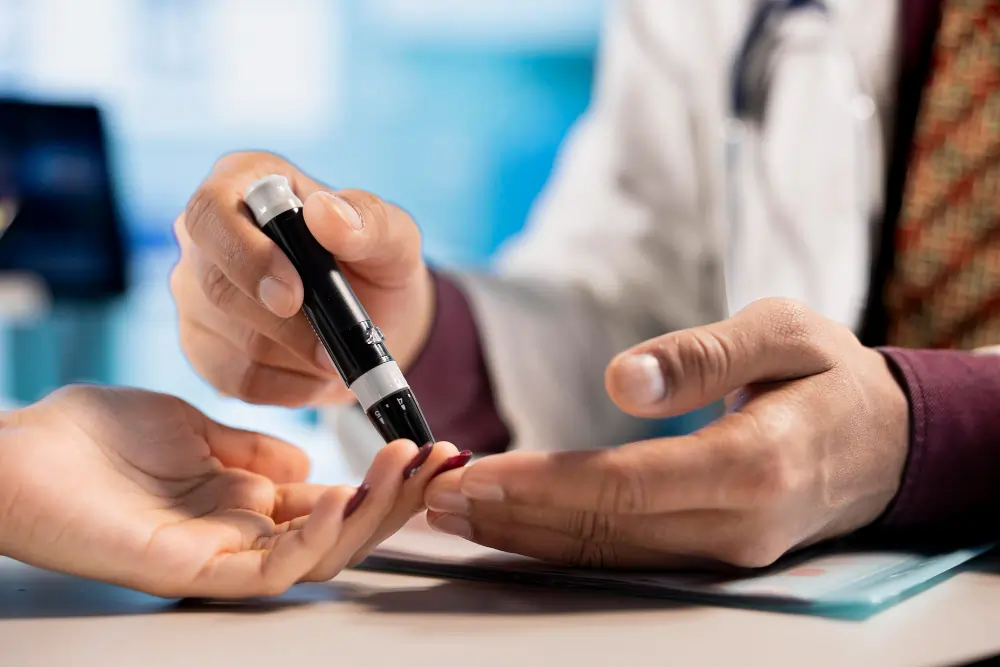
Background: How Do Ozempic and Saxenda Work?
Both medications belong to a group of therapies known as GLP-1 receptor agonists. They mimic a natural gut hormone that signals your brain when you are full, delays stomach emptying, and improves insulin production.
Ozempic (Semaglutide): Primary indication is Type 2 Diabetes management, but it is frequently prescribed off-label by doctors for weight loss. It requires a once-weekly injection.
Saxenda (Liraglutide): Specifically FDA-approved for chronic weight management. It requires a once-daily injection.
Actionable Diet & Nutrition Protocol During Treatment
Using GLP-1 injectables without adjusting your daily Pakistani diet can lead to unnecessary nausea, bloating, or hyperacidity. Because these medications slow down gastric emptying, your stomach digests heavy meals much more slowly.
Core Dietary Rules:
Prioritize Protein First: Consume lean proteins like boiled eggs, grilled chicken breast, lentils (daal), or Greek yogurt (dahi) to prevent muscle loss.
Hydrate Constantly: Drink 10–12 glasses of water daily to prevent constipation and kidney strain.
Portion Control for Carbs: Swap refined white flour (maida) and large portions of white rice for whole wheat roti or brown rice in limited amounts.
Avoid Greasy Foods: Heavy salans made with excess ghee or oil can trigger intense nausea while on medication.
Food Selection Guide: What to Eat vs. Avoid
When taking GLP-1 medications, your food choices directly impact how comfortable you feel throughout the week. Use this simple breakdown to guide your daily meals:
| Recommended Foods (Eat) | Foods to Avoid or Limit |
| Lean Proteins: Chicken, eggs, fish, tofu, chana | Deep-Fried Snacks: Samosas, pakoras, parathas |
| Fiber-Rich Vegetables: Cucumbers, spinach, zucchini | High-Sugar Sweets: Mithai, pastries, aerated sodas |
| Low-GI Fruits: Apples, berries, guavas | Heavy Gravies: Oily korma, nihari, or excess ghee |
| Clear Soups & Herbal Tea: Green tea, mint water | Late-Night Heavy Meals: Large dinners right before sleep |
Potential Side Effects & Medical Precautions
While both medications are generally safe under expert supervision, gastrointestinal side effects are common during the initial weeks:
Common Side Effects: Nausea, mild vomiting, acidity, diarrhea, or constipation. These usually subside as your body adapts.
Serious Warnings: These medications are strictly contraindicated for individuals with a personal or family history of medullary thyroid carcinoma or Multiple Endocrine Neoplasia type 2 (MEN-2). Always inform your physician of any underlying thyroid, kidney, or pancreatic history.
Estimated Medical Cost in Pakistan (PKR)
Prices for imported injectables in Pakistan fluctuate depending on pharmacy availability, supply chain logistics, and dose strength.
Ozempic (Semaglutide): Ranging from PKR 38,000 to PKR 85,000+ per pen depending on the dosage (0.25mg/0.5mg to 1mg/2mg). One pen typically lasts 4 weeks.
Saxenda (Liraglutide): Ranging from PKR 45,000 to PKR 90,000+ for a pack of 3 pens, depending on daily maintenance doses.
Note: Prices vary across major cities like Karachi, Lahore, and Islamabad. Always purchase from licensed, cold-chain compliant pharmacies.
Expected Timeline & Results
Weeks 1 to 4: Reduced appetite and early fullness after small meals. Initial loss of 2–4 kg (mostly water weight and reduced calorie intake).
Months 2 to 6: Consistent body fat reduction. Clinical data shows Ozempic users average 10–15% body weight loss over 68 weeks, while Saxenda users average 5–10% over a year.
Long-Term Success: Medical weight loss requires an integrated strategy including dietary changes, strength training, and lifestyle adjustments to maintain your weight after discontinuing treatment.
Take the Next Step with Expert Guidance
Medical weight loss is not a one-size-fits-all solution. Self-prescribing GLP-1 injectables without proper blood evaluation, dosage titration, and dietary management can result in severe side effects or rapid weight rebound. To ensure your safety and maximize your results, you can book a medical weight loss consultation with Dr. Ikram at our clinic. Dr. Ikram provides personalized lab evaluations, custom meal plans, and step-by-step supervision tailored to your body’s needs.
Frequently Asked Questions (FAQs)
1. Which medication is more effective for weight loss: Ozempic or Saxenda?
Clinical studies show that Ozempic (semaglutide) generally leads to greater average body weight loss (12–15%) compared to Saxenda (liraglutide, 5–10%). Additionally, Ozempic offers the convenience of weekly injections compared to daily Saxenda injections.
2. Is Ozempic officially approved for weight loss in Pakistan?
Ozempic is FDA-approved for Type 2 Diabetes. However, endocrinologists and weight loss specialists frequently prescribe it off-label for obesity, insulin resistance, and PCOS management under strict medical supervision.
3. Will I regain weight after stopping Ozempic or Saxenda?
If underlying lifestyle habits, diet, and metabolic issues are not addressed, weight regain can occur after stopping treatment. Combining medical therapy with a sustainable diet plan and muscle-preserving exercise is vital for maintaining long-term results.
4. Can women with PCOS take these injectables?
Yes, many women with Polycystic Ovary Syndrome (PCOS) suffer from severe insulin resistance. Under medical supervision, GLP-1 medications can improve insulin sensitivity and support healthy weight loss in PCOS patients.