
How to Reverse Insulin Resistance Through Diet: 2026 Guide
Many people struggle with weight gain and chronic fatigue despite constant dieting. Often, the hidden culprit remains poor insulin sensitivity. Fortunately, you can reverse insulin resistance through diet by following a structured, science-based plan. This 2026 guide explains how to reclaim your metabolic health step-by-step.
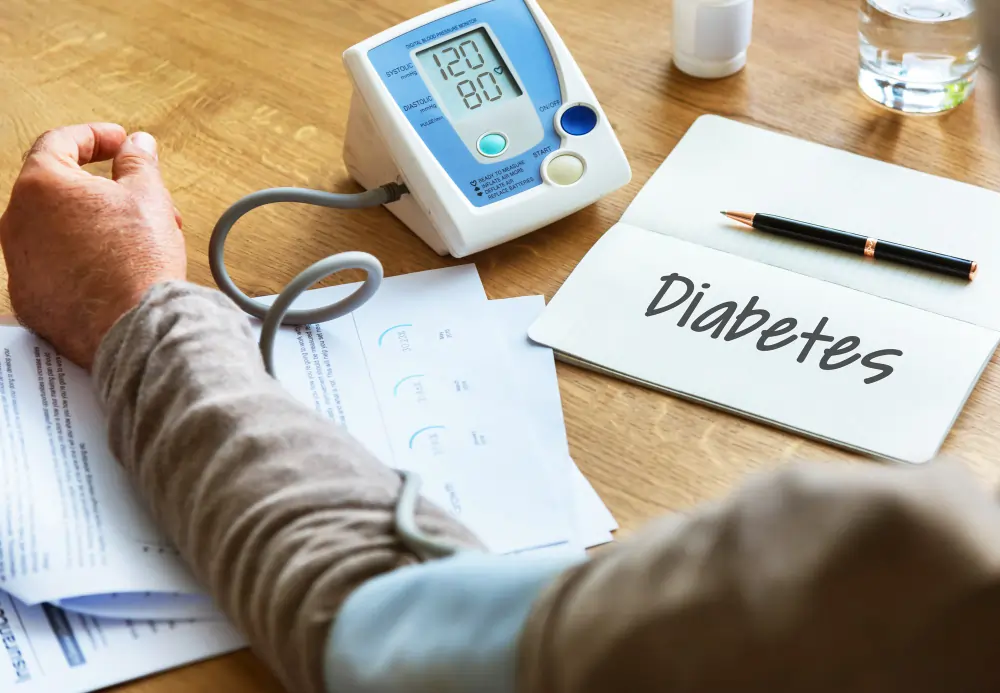
Understand Insulin Resistance and Its Impact
Insulin resistance occurs when your cells ignore the hormone insulin. Consequently, your blood sugar levels rise because the sugar cannot enter your cells. To compensate, your pancreas produces even more insulin.
Over time, this cycle creates several health issues:
Stubborn belly fat
Persistent fatigue
Increased risk of type 2 diabetes
Improving insulin sensitivity remains essential for long-term health.
Why Diet Reverses Insulin Resistance
Dietary choices directly influence insulin production. For example, high-sugar diets keep insulin levels chronically elevated. This state promotes fat storage and makes weight loss nearly impossible.
However, a strategic diet can:
Lower baseline insulin levels
Enhance metabolic flexibility
Promote efficient fat burning
Therefore, changing your plate serves as the most effective first step.
Recognize the Warning Signs
You might struggle with insulin resistance if you notice specific physical changes. Specifically, look for:
Difficulty losing weight around the waist
Intense sugar cravings after meals
Frequent energy crashes
Darkened skin patches on the neck or underarms
If you experience these symptoms, you must take immediate action.
Strategic Steps to Reverse Insulin Resistance Through Diet
1. Eliminate Sugars and Refined Carbs
Reducing sugar intake stabilizes your blood glucose. Furthermore, avoiding white bread and sugary desserts prevents massive insulin spikes. Instead, choose low-glycemic options like leafy greens and whole grains.
2. Prioritize High-Quality Protein
Protein improves satiety and supports muscle mass. Consequently, adding protein to every meal reduces the urge to snack. Excellent sources include eggs, wild-caught fish, and Greek yogurt.
3. Incorporate Healthy Fats
Healthy fats slow down the absorption of sugar into the bloodstream. Therefore, your insulin levels remain stable throughout the day. Focus on avocados, olive oil, and raw nuts.
4. Increase Daily Fiber
Fiber acts as a natural buffer for your metabolism. It improves gut health and lowers the insulin response of your meals. Focus on beans, lentils, and cruciferous vegetables.
5. Optimize Your Meal Timing
When you eat matters just as much as what you eat. Specifically, avoiding late-night snacks allows your insulin levels to drop. Many patients find success by maintaining consistent meal times and avoiding grazing.
Top Foods for Better Insulin Sensitivity
Add these nutrient-dense foods to your daily routine:
Leafy Greens: Spinach and kale provide essential minerals.
Lean Proteins: Chicken and eggs support metabolic repair.
Healthy Fats: Olive oil and avocados protect your heart.
Probiotics: Greek yogurt supports a healthy gut microbiome.
Foods You Must Avoid
Avoiding inflammatory foods accelerates your recovery. Specifically, limit:
Processed fruit juices and sodas
White flour products (bread, pasta)
Trans fats found in fried snacks
High-fructose corn syrup
Common Mistakes to Avoid
Many people stall their progress by following extreme, unsustainable diets. Additionally, skipping meals can sometimes lead to overeating later. Always prioritize consistency over perfection to see lasting results.
How Long Does Recovery Take?
Metabolic changes begin almost immediately. Many people notice improved energy within two weeks. However, significant reversal of insulin resistance typically requires three to six months of dietary discipline.
When to Seek Professional Medical Help
Consult a professional if your weight remains stagnant despite these changes. Furthermore, seek guidance if you manage pre-existing conditions like PCOS or type 2 diabetes. A personalized plan ensures you reach your goals safely.
Start Your Health Recovery Today
You can reverse insulin resistance through diet with the right guidance. A customized approach helps you lose weight faster and regain your energy. Book your consultation today and take control of your metabolic future.