
The Shadi Season Survival Guide: How to Balance Traditional Pakistani Weddings with a Strict Diet Plan
In Pakistan, wedding season isn’t just a single event—it is a multi-week marathon of celebrations, late-night gatherings, and some of the most calorie-dense food on the planet. From the sweet mithais at a Dholki to the oil-laden qormas and biryanis at the Baraat, navigating a traditional wedding while sticking to a strict medical or weight loss diet plan can feel like an impossible task.
Many people choose to completely abandon their health goals during shadi season, promising themselves they will “restart on Monday.” However, multiple consecutive days of massive glucose and insulin spikes can completely derail months of hard-earned metabolic progress.
The good news? You do not have to lock yourself in your room or sit awkwardly with an empty plate. Balancing a traditional Pakistani wedding with a strict diet plan simply requires moving away from generic restriction and adopting a calculated, tactical clinical approach to the buffet line.
The Strategic Shift: Surviving the Buffet
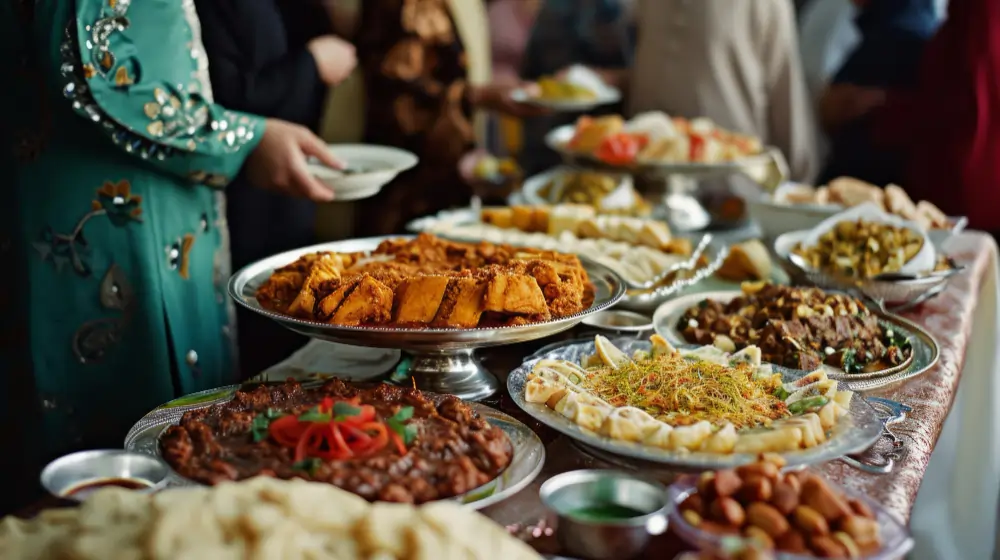
The secret to keeping your metabolism intact during a wedding lies in understanding the layout of a traditional Pakistani menu. Most wedding menus are actually packed with excellent, high-protein options—they are just frequently overshadowed by refined carbohydrates and heavy desserts.
Here is how you can systematically navigate the food line without breaking your caloric or insulin limits:
1. Fill Up on the BBQ and Grilled Meats First
Before you look at the rice or gravy options, look for the live kitchen or the grilled section. Seekh kebabs, chicken tikka, malai boti, and fish tikkas are phenomenal sources of lean protein. Protein keeps you full, stabilizes your blood sugar, and prevents you from overeating later in the evening.
The Clinical Goal: Fill half of your plate with these clean, dry-grilled protein sources.
2. Treat the Gravy and Rice as a “Side,” Not the Main Event
Classic wedding dishes like Mutton Qorma, Chicken Karahi, and Biryani are often prepared with excessive amounts of low-quality commercial oils or hydrogenated ghee. If you want to enjoy them:
For Gravies: Take a small portion of the meat but use a spoon to leave behind the pooling layer of oil (tari).
For Rice: Limit yourself to 3 to 4 tablespoons of biryani or pulao for taste, rather than making it the base of your entire meal.
The Roti Rule: Skip the heavy, white-flour Roghni naans entirely. If a whole-wheat tandoori roti option is available, limit yourself to a quarter-slice.
3. Harness the Power of Raita and Salad
Never skip the salad table. Fresh cucumbers, onions, and tomatoes packed with dietary fiber act as a metabolic shield, slowing down how fast sugars hit your bloodstream. Pair this with traditional yogurt raita (provided it doesn’t contain added commercial sugars) to aid digestion and promote satiety.
3 Clinical Rules for Shadi Day Success
What you do before and after the wedding event matters just as much as what you put on your plate.
Rule 1: Never “Starve” Yourself in Anticipation
A common mistake is skipping breakfast and lunch on the day of a wedding to “save calories” for the big dinner. This is disastrous for your hormones. Starving yourself drives up your hunger hormones (ghrelin) and crashes your blood sugar. By the time you arrive at the venue at 11:00 PM, your willpower will be entirely depleted, making a high-carb binge inevitable. Eat balanced, high-protein, high-fiber meals during the day.
Rule 2: Master the Art of Pre-Hydration
Wedding venues are often warm, and standard event drinks are heavily loaded with sugar (regular sodas, sweetened Kashmiri chai, or mocktails). Drink 2 glasses of water right before entering the hall. During the event, stick strictly to plain water, club soda with a squeeze of lemon, or unsweetened green tea if it’s offered at the end of the night.
Rule 3: Use the Post-Dinner “Wedding Walk”
Instead of heading straight to the lounge sofas or the car immediately after eating, spend 10 to 15 minutes socializing while standing or walking around the venue. This minor physical movement prompts your skeletal muscles to immediately absorb excess circulating glucose for energy, muting the severe post-meal insulin spike.
Quick Reference: Smart Shadi Food Swaps
| Instead of This (High Glycemic & Inflammatory) | Choose This Instead (Metabolic-Friendly) |
| Roghni Naan, Sheermal, or Taftan | A Quarter Piece of Whole Wheat Tandoori Roti |
| Deep-Fried Fish Or Fried Appetizers | Chicken Tikka, Seekh Kebab, or Malai Boti |
| Heavy Gravy Layered in Oil (Tari) | Dry meat pieces from the Karahi/Qorma |
| Multiple Bowls of Kheer, Gajar ka Halwa, or Jalebi | A single bite for taste, or switch to fresh seasonal fruit slices |
| Regular Sodas / Sweetened Juices | Plain Water or Unsweetened Green Tea |
Enjoy the Celebrations Without the Guilt
Managing your health goals during milestone family events shouldn’t feel like a social punishment. Reversing metabolic resistance and losing weight permanently is about building a sustainable relationship with food that adapts seamlessly to your cultural lifestyle.
Don’t let the upcoming shadi season undo your hard work. At Dr. Ikram Clinic, we design medically supervised, personalized nutrition plans that teach you exactly how to navigate traditional Pakistani events, manage your portion sizes clinically, and maintain your weight loss momentum safely without missing out on the joy of family celebrations.
FAQs
What should I eat if there are absolutely no grilled or healthy options at the wedding?
In rare cases where everything is heavily fried or swimming in oil, focus purely on protein portion control. Take chicken pieces from the karahi, shake off as much excess oil and gravy as possible, pair it with whatever salad or raita is available, and completely avoid the rice, naans, and desserts.
Is it okay to have a “cheat meal” at a wedding once a week?
If your underlying metabolic health is stable, a single, controlled wedding meal once a week will not ruin your progress. The danger arises when a single meal turns into a multi-day cycle of overeating across consecutive Mehndi, Baraat, and Walima events.
Can I drink Kashmiri Chai at winter weddings if I’m dieting?
Traditional Kashmiri Chai (Pink Tea) is naturally sugar-free and brewed with green tea leaves, nuts, and milk, making it a decent option. However, wedding venues frequently pre-sweeten large commercial batches with massive amounts of white sugar. Always ask the servers if it contains added sugar before taking a cup.