
Uric Acid Diet Plan Pakistan: High-Purine Desi Foods to Avoid & Gout Relief
Struggling with sudden, intense pain in your big toe or knees? You are not alone. High uric acid levels, clinically known as hyperuricemia, affect millions of adults across Pakistan.
Adopting a targeted Uric Acid Diet Plan Pakistan allows you to enjoy delicious traditional meals while keeping joint pain and gout flare-ups at bay.
Why High Uric Acid Matters in Pakistan
Uric acid is a natural waste product created when your body breaks down purines—compounds found abundantly in rich, traditional Pakistani food. Normally, your kidneys filter uric acid out through urine. However, when you consume too many high-purine meals, uric acid builds up in the blood and forms sharp, needle-like crystals in your joints.
Our local dietary culture heavily features red meat, organ meats, and oily gravies. Understanding purine breakdown and gout formation helps you make smarter food choices without sacrificing flavor.
High-Purine Desi Foods to Avoid or Limit
To control high uric acid levels, you must limit foods rich in animal purines.
Organ Meats: Kaleji (liver), Siri Paye, Gurde (kidneys), and Maghaz (brain) carry the highest purine levels and should be strictly avoided during flare-ups.
Red Meat & Heavy Gravies: Mutton, beef, Nihari, and concentrated bone broths (Yakhni) trigger rapid uric acid spikes.
Certain Seafood: Prawns, prawns, and canned sardine fish are rich in purines.
Sugary Beverages: Commercial sodas and boxed juices containing high-fructose corn syrup increase uric acid production.
Heavy Lentils (In Excess): While plant purines are safer than meat, heavy pulses like Dal Chana and Masoor Dal should be eaten in moderate portions during active joint inflammation.
Actionable Desi Uric Acid Diet Plan
Evidence-based research on the dietary management of hyperuricemia shows that balancing your meal proportions lowers blood urate levels effectively. Here is a practical 1-day sample meal plan using accessible Pakistani ingredients:
Early Morning (7:00 AM)
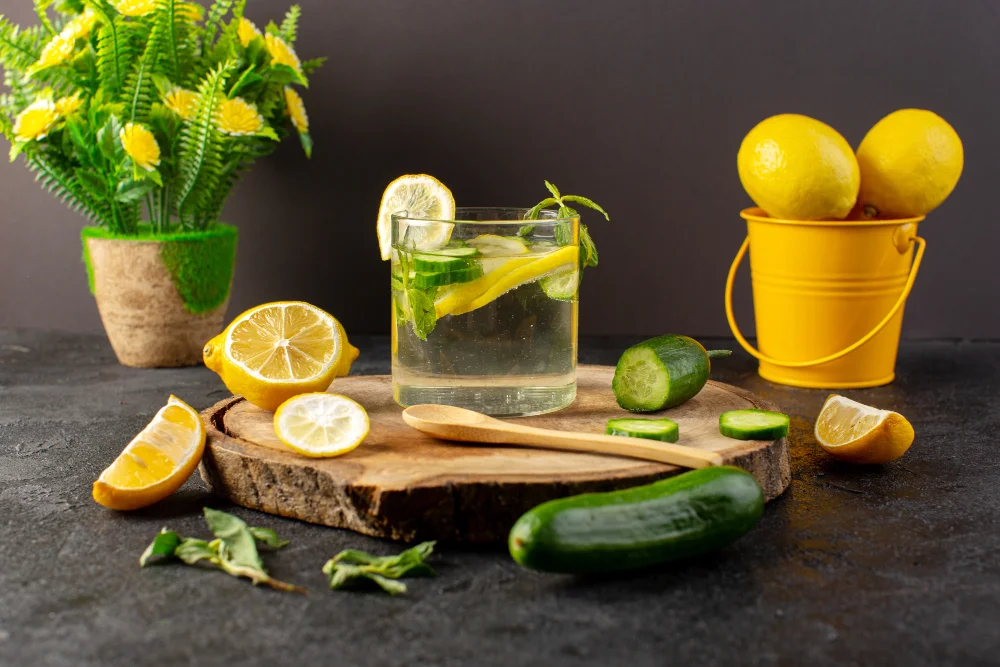
1 large glass of lukewarm water with half a squeezed fresh lemon.
Breakfast (8:30 AM)
1 whole wheat bran roti (or 1 bowl of plain oatmeal cooked in low-fat milk).
1 egg white (boiled or scrambled with minimal oil).
1 cup of green tea without sugar.
Mid-Morning Snack (11:00 AM)
1 cup of fresh cherries, guava, or a sliced apple.
Lunch (2:00 PM)
1 whole wheat roti or 1 small cup of brown/steamed rice.
1 bowl of gourd vegetable curry (Lauki, Tinda, or Tori) cooked in 1 teaspoon of olive or mustard oil.
1 bowl of fresh cucumber and mint salad.
1 glass of low-fat salted lassi (thin buttermilk).
Evening Snack (5:00 PM)
1 cup of black tea or green tea with roasted chickpeas (Bhuna Chana).
Dinner (8:00 PM)
1 whole wheat roti.
1 portion of skinless grilled chicken breast or a light vegetable curry (Bhindi or Gobi).
1 small bowl of low-fat dahi (yogurt).
Comparison Table: Desi Foods to Eat vs. Avoid
| Food Category | Desi Foods to Enjoy (Low Purine) | Desi Foods to Avoid (High Purine) |
| Proteins | Egg whites, skinless chicken breast, low-fat dahi | Kaleji, Siri Paye, Gurde, Mutton, Beef |
| Vegetables | Lauki, Tinda, Tori, Bhindi, Cucumber | Excessive Spinach (Palak) during acute pain |
| Grains & Pulses | Whole wheat roti, Oats, Moong Dal (moderate) | Heavy fried Parathas, excess Dal Chana |
| Beverages | Water, Lemon water, Green tea, Low-fat Lassi | Sugary fizzy drinks, packaged fruit juices |
Lifestyle & Exercise Tips for Fast Relief
Dietary changes work best when paired with simple lifestyle adjustments:
Hydrate Aggressively: Drink 10 to 12 glasses (3 liters) of water daily to help your kidneys flush out excess uric acid.
Avoid Rapid Crash Diets: Fasting or extreme calorie restriction causes body tissue breakdown, which spikes blood uric acid levels.
Engage in Low-Impact Movement: Daily 30-minute walks keep joints flexible without straining inflamed big toes or ankles.
Expected Timeline & Results
Days 3–7: Reduced joint stiffness and milder morning swelling.
Weeks 2–3: Significant decrease in the frequency of painful gout flare-ups.
Weeks 4–6: Noticeable drop in blood uric acid lab levels (targeting under 6.0 mg/dL).
Take Control of Your Health: Book Your Consultation
Managing high uric acid does not mean living on an overly restrictive, bland diet forever. At Dr. Ikram’s Diet & Weight Loss Clinic, we specialize in customized nutrition plans that respect your regional lifestyle while systematically reversing metabolic imbalances.
If you are ready to eliminate joint pain and lose weight safely, book a personalized diet consultation with Dr. Ikram today.
Frequently Asked Questions (FAQs)
1. Can I drink Lemon Water (Nimbu Pani) if I have high uric acid?
Yes! Fresh lemon juice stimulates the production of calcium carbonate in the body, which helps neutralize uric acid levels naturally. Drink it warm without added refined sugar.
2. Is Dal Chana completely banned for gout patients?
Dal Chana contains moderate purines. You do not need to ban it permanently, but you should limit your serving size and avoid eating it during an active, painful gout flare-up.
3. Are egg whites safe to eat on a uric acid diet?
Absoutely. Egg whites are low in purines and serve as an excellent, high-quality source of protein for individuals managing gout.
4. How long does it take to flush out high uric acid?
With strict hydration and a low-purine diet, acute uric acid spikes usually begin clearing within 5 to 7 days. Normalizing serum blood levels long-term generally takes 4 to 6 weeks of consistent dietary habits.