
DASH Diet in Pakistan: Desi Foods for Blood Pressure & Heart Health
Waking up with a dull occipital headache, checking your digital blood pressure monitor, and seeing numbers like 145/95 mmHg triggers immediate anxiety. For millions of Pakistanis, this morning ritual is followed by a walk into the kitchen, where breakfast options typically consist of oil-soaked parathas, salted fried eggs, and heavy sweet tea. When your physician recommends an evidence-based cardiac intervention, they often hand you a pamphlet describing the Western Dietary Approaches to Stop Hypertension (DASH) protocol.
However, telling a Pakistani patient to eat blueberries, raw kale, steamed salmon, and Greek yogurt fails immediately due to prohibitive costs and cultural disconnect. Fortunately, adopting the DASH diet in Pakistan does not require abandoning desi cuisine. By understanding how local spices, vegetables, and whole grains interact with your vascular system, managing high blood pressure naturally becomes both practical and sustainable within any Pakistani household.
The Physiological Mechanism: How Sodium and Mineral Ratios Impact Your Vessels
Hypertension is fundamentally a disorder of systemic vascular resistance and fluid dynamics. When you consume excess salt, sodium ions pull water into your bloodstream via osmotic pressure. This sharp increase in intravascular volume strains arterial walls, accelerates endothelial injury, and forces the left ventricle of your heart to pump against higher resistance.
The primary clinical power of the DASH dietary model relies on a physiological counter-mechanism: the sodium-to-potassium ratio. While sodium retains water, potassium prompts renal natriuresis—signaling your kidneys to excrete sodium through urine. Furthermore, potassium, magnesium, and bioavailable calcium work synergistically to stimulate vascular smooth muscle relaxation, directly reducing arterial tension.
Landmark clinical trials on the DASH dietary pattern demonstrate that optimizing these mineral ratios can lower systolic blood pressure by 8 to 14 mmHg within just two weeks.
In the typical Pakistani diet, however, this mineral balance is severely distorted:
Excess Hidden Sodium: Commercially milled table salt, baking soda (meetha soda) used to tenderize meat and chickpeas, and sodium-laden pickles (achar) drive sodium intake far above healthy limits.
Severe Potassium Depletion: Traditional cooking techniques often involve over-boiling vegetables and discarding the nutrient-dense broth, leaching out vital water-soluble minerals like potassium and magnesium.
Arterial Inflammation: Saturated animal fats from unskimmed buffalo milk and oxidized commercial vanaspati ghee promote arterial plaque formation and arterial stiffness.
Practical Desi Diet Protocol & Food Modifications
Implementing the DASH protocol within our local food landscape requires strategic adjustments in the kitchen rather than an overhaul of our culinary heritage.
1. The Tarka & Salt Restructuring
The traditional desi tarka (tempering) often floats on top of daals and sabzis in a pool of hydrogenated oil and excessive salt.
To correct this without sacrificing flavor:
Cut added cooking salt by 50% immediately. Keep in mind that Himalayan pink salt is still 98% sodium chloride; switching colors does not protect your blood vessels.
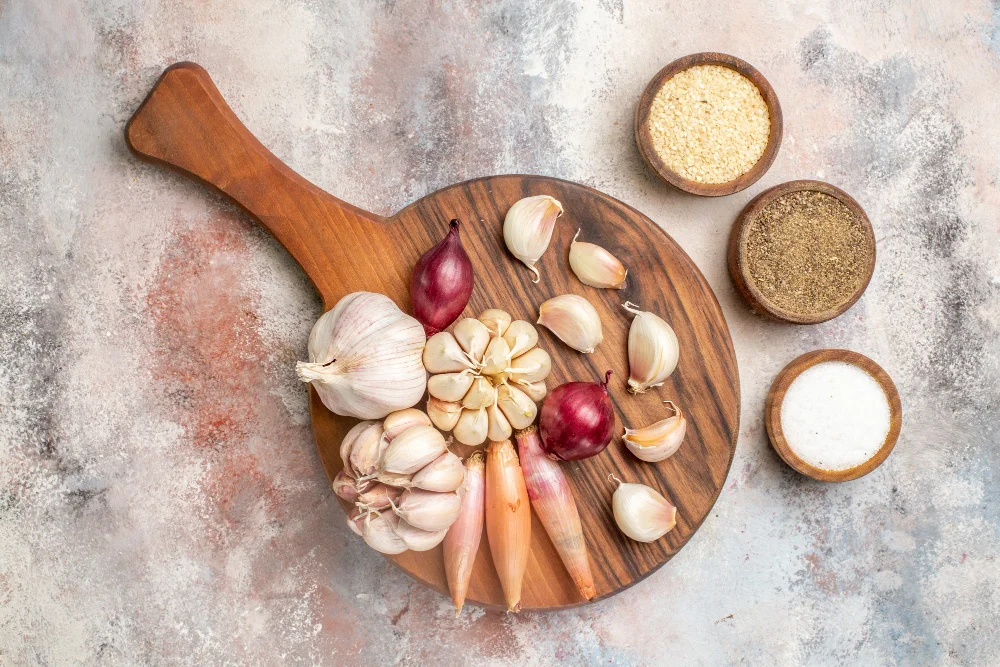
Maximize natural aromatics. Boost your intake of garlic (lehsan), ginger (adrak), roasted cumin (zeera), crushed coriander seeds (dhania), and fresh lemon juice. Garlic contains allicin, a compound clinically observed to promote peripheral vasodilation.
Strictly adhere to the WHO daily sodium intake limit of 2,000 mg, which equals roughly one level teaspoon of salt across all daily meals combined.
2. Roti & Grain Selection
Refined wheat flour (maida), buttery naans, and sheermal trigger insulin spikes, which prompt renal sodium retention.
Instead, rely exclusively on whole-grain stone-ground flour (chakki ka atta). For an added therapeutic benefit, blend your whole wheat with 25% barley flour (jau ka atta) or chickpea flour (besan). This modification introduces viscous soluble fiber and magnesium, both of which improve arterial elasticity and blunt postprandial glucose surges. Limit portions to one 6-inch to 7-inch unbuttered roti per meal.
3. Transitioning from Buffalo to Cow Dairy
Pakistan is one of the world’s largest consumers of buffalo milk (bhains ka doodh). While creamy, whole buffalo milk carries up to 7% to 8% saturated fat.
Switch to skimmed cow’s milk (gaai ka doodh) or prepare homemade low-fat yogurt (dahi). Fermented dairy delivers bioavailable calcium and natural peptides that inhibit angiotensin-converting enzymes (ACE), assisting your blood vessels in staying relaxed. Avoid doodh patti simmered endlessly with sugar, which destroys beneficial flavonoids; choose light black or green tea with a dash of skimmed milk instead.
4. Maximizing High-Potassium Sabzi Mandi Produce
Your local sabzi mandi offers some of the most effective blood-pressure-lowering vegetables available:
Bottle Gourd (Lauki) & Ridge Gourd (Tori): Extremely low in calories and natural sodium, yet rich in intracellular fluid and potassium.
Bitter Gourd (Karela): Packed with polyphenols that improve insulin sensitivity and support endothelial health.
Okra (Bhindi) & Spinach (Palak): Outstanding sources of dietary magnesium, which functions as a natural calcium channel blocker in vascular smooth muscle.
Clinical Food Swap Guide
Use this reference table to adjust your grocery shopping and daily menu planning toward heart-healthy options:
| Meal Component | Foods to Strictly Limit or Avoid | Foods to Prioritize (DASH-Aligned Desi Staples) |
| Breakfast | Puri chana, layered parathas, salted butter, commercial processed sausages, sugary chai | Rolled oats cooked in skimmed milk with crushed flaxseeds; or 2 boiled egg whites with 1 slice whole-wheat bran bread and unsweetened tea |
| Breads & Grains | Maida naan, tandoori sheermal, white polished rice, oily pulao | 100% whole-wheat chakki roti, multi-grain flour (jau + chana blend), brown or parboiled basmati rice (measured 1 cup cooked) |
| Lentils & Pulses | Daal prepared with heavy ghee tarka, deep-fried besan pakoras, salted papad | Yellow moong daal, masoor daal, or black chana cooked with minimal oil, seasoned with cumin, garlic, and fresh coriander |
| Meats & Poultry | Beef nihil, mutton karahi, organ meats (maghaz, kaleji), fried commercial broast | Skinless chicken breast, local marine fish (such as surmai or heera) grilled or baked with lemon, turmeric, and black pepper |
| Cooking Fats | Banaspati ghee, reused vegetable seed oils, animal fat lards | Cold-pressed mustard oil (sarson ka tel) used sparingly, or extra virgin olive oil added post-cooking (maximum 2–3 teaspoons daily) |
| Snacks & Sides | Commercial nimco, packaged potato chips, salted dry fruits, commercial achar | Raw unsalted almonds and walnuts (30g portion), roasted black chickpeas (bhunay channay), fresh guava (amrood), local seasonal citrus (kinnow) |
Mid-Article Tool Integration: Assess Your Metabolic Baseline
Maintaining an elevated body mass index (BMI) significantly amplifies the vascular resistance caused by dietary sodium. In clinical weight management, losing as little as 5 kilograms can lower systolic blood pressure by roughly 4 to 5 mmHg.
Know Your Numbers
Effective blood pressure control starts with an accurate look at your body composition. Use Dr. Ikram’s online clinical BMI calculator to evaluate your baseline weight category and establish your daily caloric threshold before starting any new meal plan.
Medical Red Flags: When Diet Adjustments Are Not Enough
While dietary lifestyle changes are powerful, they cannot replace critical medical intervention when cardiovascular risks escalate.
Seek immediate medical attention if you experience:
Hypertensive Urgency or Emergency: A resting blood pressure reading exceeding 180/120 mmHg, particularly if accompanied by acute chest heaviness, shortness of breath, visual disturbances, or neurological deficits.
Renal Complications: Sudden bilateral pedal edema (swelling of feet and ankles) or foaming urine, which may indicate advanced proteinuria or declining glomerular filtration rates.
Clinical Precaution for Kidney Patients: If you have diagnosed Stage 3 to Stage 5 Chronic Kidney Disease (CKD), do not increase your intake of high-potassium fruits and vegetables without direct nephrology supervision. When renal clearance is compromised, high potassium can cause life-threatening hyperkalemia.
Take Control of Your Health: Book a Consultation with Dr. Ikram
Sustained hypertension management requires more than generic guidelines; it demands an individualized nutritional strategy that respects your family history, kidney function, lipid profile, and daily schedule.
At Dr. Ikram’s Diet & Weight Loss Clinic, we build targeted, clinically validated dietary protocols designed to reverse metabolic strain and protect cardiac function. Whether you are living in Karachi and prefer an in-person clinic consultation or require remote care through our online WhatsApp clinical service across Pakistan and abroad, we are here to support your health.
Take the definitive step toward protecting your cardiovascular system today. Reach out directly to schedule a personalized cardiology diet consultation with Dr. Ikram and receive a custom, culturally tailored meal protocol built for your specific health needs.
Frequently Asked Questions
1. Is Himalayan pink salt safe for high blood pressure patients in Pakistan?
No. Despite popular marketing claims, Himalayan pink salt consists of roughly 98% sodium chloride. While it contains trace amounts of minerals such as iron, magnesium, and calcium, the concentrations are far too minute to offset its high sodium content. It affects vascular fluid volume in the exact same manner as standard white table salt.
2. Can I follow the DASH diet if I have both hypertension and type 2 diabetes?
Yes. The DASH diet is exceptionally well suited for managing concurrent hypertension and type 2 diabetes. By prioritizing high-fiber complex carbohydrates (like jau and chakki atta), lean poultry, lentils, and fresh non-starchy vegetables, it helps reduce arterial tension while simultaneously stabilizing blood sugar levels and improving insulin sensitivity.
3. How quickly does the DASH diet show results on Pakistani blood pressure readings?
Clinical markers generally begin to shift within 10 to 14 days of strict adherence to reduced sodium intake and increased dietary potassium. For lasting reductions in arterial stiffness and reductions in baseline medication requirements, patients typically require 8 to 12 weeks of continuous compliance alongside structured weight management.
4. Do I have to eliminate beef and mutton completely?
You do not need to eliminate red meat entirely, but moderation is critical. Commercial beef and mutton dishes in Pakistan are frequently prepared with high amounts of saturated fat and sodium. You should restrict red meat consumption to once every two weeks, opting for lean, trimmed cuts stewed with vegetables rather than fried in oil or cooked as a heavy karahi.