
Dr. Syed Ikram | Diet and Weight Loss Clinic

Clinic Services & Consultations

Doctor examining a senior heart patient during a cardiac diet consultation in Karachi.

Online Diet Consultation for Heart Patients in Karachi

Online Diet Consultation for Heart Patients in Karachi: Clinical Cardiorenal Care at Home Receiving a cardiac diagnosis can leave you feeling disoriented, anxious, and deeply frustrated at the family dinner table. In Pakistani households, food is an expression of affection, hospitality, and celebration. Yet, following an angioplasty, bypass surgery, or hypertension diagnosis, heart patients are often handed vague discharge instructions: “Avoid oil, stop eating salt, and eat boiled food.” This sudden, joyless dietary restriction rarely works. Patients soon crave flavorful curries, slip back into old habits, or quietly skip meals out of fear. Consequently, their blood pressure, lipid profiles, and kidney markers continue to deteriorate. Securing a medically supervised online diet consultation for heart patients in Karachi bridges the gap between clinical cardiology and everyday home cooking. With a customized, culturally tailored personalized cardiac nutrition protocol, you do not need to starve on unseasoned vegetables. Instead, you can systematically heal your cardiovascular and renal systems while enjoying nutritious, flavorful meals prepared right in your Karachi kitchen. The Physiological Mechanism: The Cardiorenal Reality of Heart Disease Cardiovascular disease is rarely an isolated problem within the coronary arteries. In clinical practice, the heart and kidneys function as an intricately interconnected circuit known as the cardiorenal axis. When coronary arteries narrow due to atherosclerosis—the buildup of fatty plaques composed of oxidized cholesterol and cellular debris—blood flow to vital organs diminishes. Simultaneously, chronic high blood pressure subjects delicate arterial walls to mechanical shear stress. To protect against this constant pressure, the blood vessels stiffen and narrow. This vascular resistance forces the heart muscle to pump significantly harder, eventually causing left ventricular strain. Atherosclerosis & High BP ➔ Reduced Renal Perfusion ➔ Aldosterone & Renin Release ➔ Fluid Retention ➔ Worsening Heart Failure However, the kidneys bear an immediate consequence of this process. The renal nephrons rely on delicate microvascular beds to filter waste, regulate electrolytes, and balance fluid volume. When heart output declines or arterial pressure surges, kidney perfusion drops. In response, the kidneys misinterpret this reduced blood flow as dehydration. Consequently, they release renin and aldosterone, hormones that signal the body to retain sodium and water. This fluid retention elevates systemic blood pressure further, triggering swelling (edema) in the ankles and lungs, and placing an immense workload back onto the struggling heart muscle. Furthermore, decades of cooking with partially hydrogenated oils (vanaspati ghee) and commercial trans fats accelerate endothelial dysfunction. According to peer-reviewed AHA dietary guidelines for cardiovascular health, stabilizing this endothelial lining requires precise dietary intervention. You must systematically replace atherogenic saturated and trans fats with cardioprotective mono- and polyunsaturated fatty acids, while closely regulating sodium intake to unload the cardiorenal pump. Practical Desi Diet Protocol & Food Modifications Managing a heart condition in Karachi does not require you to purchase imported, exorbitant Western health foods. You can create an exceptionally cardioprotective diet using local ingredients available at your neighborhood bazaar. 1. Transform the Traditional “Tarka” In most Pakistani households, vegetable and lentil dishes are finished with a floating layer of oil (tari). Banaspati ghee and repeatedly reheated vegetable oils contain high concentrations of oxidized lipids and trans fats that inflame the vascular endothelium. The Clinical Modification: Strictly eliminate commercial banaspati. Measure your cooking fat using a teaspoon rather than pouring freely from the bottle. Cook curries with 1 to 2 teaspoons of cold-pressed mustard oil (sarson ka tel) or light olive oil per serving. Flavor Without Harm: Replicate richness by tempering with antioxidant-rich spices: cumin seeds (zeera), carom (ajwain), fresh curry leaves, crushed garlic, and sliced ginger. 2. Strategic Sodium Titration Sodium acts like a moisture magnet in your bloodstream. Just one extra teaspoon of table salt pulls approximately one liter of excess water into your vascular system, spiking arterial tension. Evidence-based protocols from the NIDDK for managing sodium and fluid balance in cardiorenal disease demonstrate that restricting daily sodium intake to under 1,500 to 2,000 milligrams significantly relieves left ventricular stress. Eliminate Latent Sodium: Stop adding raw salt at the dining table. Completely eliminate commercial achar (pickles), papad, store-bought namkeen, and processed bouillon cubes. Debunking the Pink Salt Myth: Himalayan pink salt is frequently marketed in Pakistan as a “safe” cure for hypertension. Clinically speaking, pink salt remains roughly 98% sodium chloride. It exerts the exact same osmotic pressure on your heart and kidneys as refined table salt. The Desi Acid Swap: Use dried pomegranate seeds (anardana), raw mango powder (amchur), tamarind water, and fresh lemon juice to achieve a vibrant, sour flavor profile without touching the salt shaker. 3. Re-Engineering the Roti Refined flour (maida) and bakery naans cause rapid postprandial glucose surges, which trigger vascular inflammation and spike triglycerides. The Whole-Grain Shift: Switch exclusively to whole-wheat stone-ground flour (chakki ka atta). The Cardiac Composite Flour: Mix your whole wheat 1:1 with roasted chickpea flour (besan) or barley flour (jau ka atta). This blend drastically lowers the glycemic index, provides soluble beta-glucan fiber to bind intestinal cholesterol, and helps keep you full for hours. 4. Upgrade Your Dairy and Chai A substantial portion of hidden saturated fat in Karachi diets comes from dairy. Whole buffalo milk (bhains ka doodh) averages 6.5% to 8% saturated fat. Consuming two to three cups of rich doodh patti every day steadily drives up LDL particle counts. The Swap: Transition to low-fat cow’s milk (under 1.5% fat) or skimmed milk. The Chai Rule: Avoid boiling tea leaves directly inside whole milk with refined white sugar. Instead, prepare a fragrant water-based kahwa infused with green cardamom, cinnamon bark, and mint leaves, adding just a splash of skimmed milk if desired. Clinical Food Swap Guide Modifying your daily diet is far simpler when you know exactly what to replace in your kitchen pantry: Food Category Foods to Prioritize (Cardioprotective & Renal-Safe) Foods to Strictly Limit or Avoid (Atherogenic & Sodium-Dense) Clinical Rationale Cooking Fats Cold-pressed mustard oil (sarson), extra virgin olive oil (measured strictly in teaspoons) Banaspati ghee, dalda, commercial palm oil, margarine, re-fried cooking oils Trans fats directly damage the endothelium and raise circulating

Online Diet Consultation for Heart Patients in Karachi Read More »
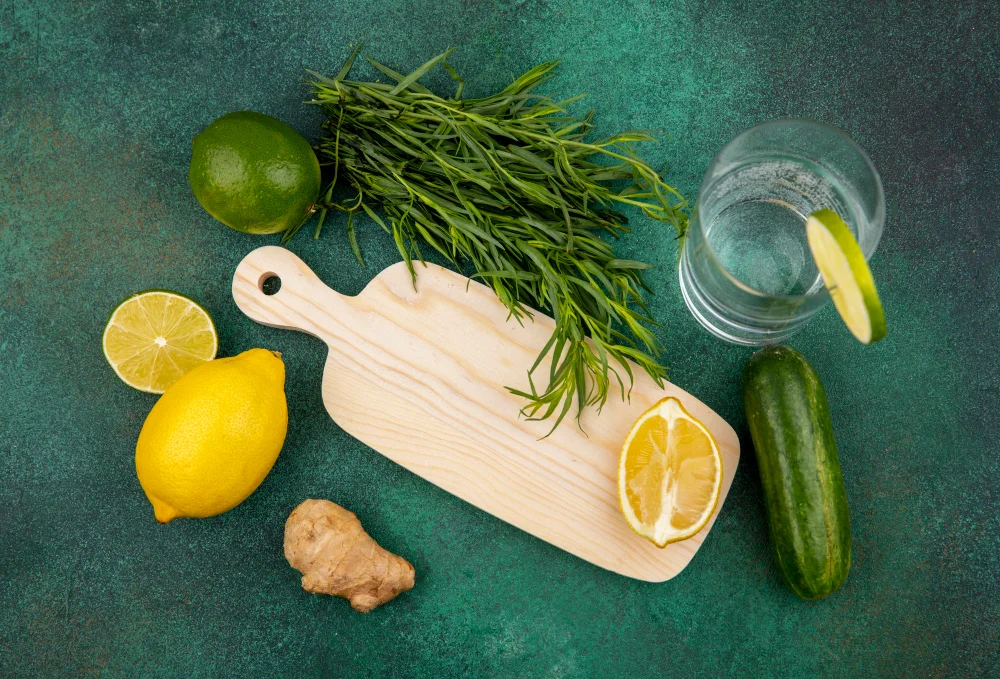
Fresh ginger, cucumber, and citrus for gut health, recommended by the best dietitian in Karachi for IBS.

Best Dietitian in Karachi for IBS & Gut Health Management

Best Dietitian in Karachi for IBS & Gut Health Management Waking up with a flat stomach only to look six months pregnant by late afternoon is an exhausting reality for thousands of Karachiites. You finish a simple family meal of daal chawal or a single chapati, and within thirty minutes, your abdomen tightens with sharp cramps, trapped gas, and violent bloating. Consequently, you start fearing food itself, skipping social dinners at Burns Road or Do Darya because you cannot predict when diarrhea or debilitating constipation will strike. Irritable Bowel Syndrome (IBS) is not simply “bad digestion” or a nervous stomach. It is a recognized neuro-gastrointestinal disorder that disrupts communication between your brain and your digestive tract. When generic antacids and antispasmodics fail to provide lasting relief, consulting the best dietitian in Karachi for IBS becomes your most effective clinical step toward recovery. Through structured, evidence-based clinical gut health protocols, you can systematically eliminate triggers, restore digestive balance, and reclaim your daily comfort without starving your body. The Physiological Mechanism: Why Your Gut Overreacts IBS operates primarily through visceral hypersensitivity and abnormal gastrointestinal motility. In a healthy digestive system, the intestinal tract contracts smoothly to transport food while nerves register normal digestion without pain. However, in an individual suffering from IBS, the enteric nervous system reacts excessively to ordinary stretches of the bowel wall. The primary culprit behind this painful distention is the fermentation of FODMAPs (Fermentable Oligosaccharides, Disaccharides, Monosaccharides, and Polyols). These short-chain carbohydrates resist complete digestion in the small intestine. When they enter the colon, resident bacteria rapidly ferment them, releasing large volumes of hydrogen and methane gas. Simultaneously, these unabsorbed carbohydrates draw excess water into the bowel through osmotic action. For IBS-Diarrhea (IBS-D) patients, this sudden influx causes urgent, watery stools. Conversely, in IBS-Constipation (IBS-C), methane gas produced by methanogenic archaea slows peristalsis to a crawl, resulting in painful, dry impaction. Multiple clinical trials on FODMAP restriction have demonstrated that systematic dietary elimination relieves these symptoms in over 70% of clinical subjects. Practical Desi Diet Protocol & Food Modifications Managing IBS in Pakistan requires a realistic strategy that respects our traditional cuisine. Most Western low-FODMAP plans demand ingredients like quinoa, blueberries, and kale, which are neither culturally practical nor affordable for daily meals. Instead, clinical dietetics adapts our local kitchen staples to prevent intestinal distress. Traditional High-FODMAP Salan (Heavy Onions + Raw Garlic Paste + Excess Ghee) │ ▼ [Clinical Adaptation] Gut-Restorative Base (Garlic-Infused Oil + Hing + Cumin + Stewed Kaddu/Lauki) 1. Re-engineering the Traditional Tarka The foundation of Pakistani cooking—frying heaps of chopped onions and garlic paste in hot oil—is disastrous for a hypersensitive gut. Both onions and garlic contain high concentrations of fructans. However, fructans are strictly water-soluble; they do not dissolve in fat. You can safely extract garlic’s rich aroma by cooking whole bruised cloves in warm mustard oil or olive oil for five minutes, then discarding the cloves completely before adding other ingredients. Furthermore, replace onions with the green tops of spring onions and a pinch of hing (asafoetida), which mimics the savory flavor profile without triggering bacterial fermentation. 2. Replacing High-Fructan Rotis Traditional Pakistani whole-wheat ghar ki roti uses durum wheat, which is loaded with fermentable fructans. Commercial tandoori naan made with refined maida is equally problematic due to dough conditioners and yeast fermentation. During the initial clinical phase, transition your staple carbohydrates to makai ki roti (pure corn flour), chawal ki roti (fine rice flour), or plain steamed basmati rice. Basmati rice is exceptionally hypoallergenic and gentle on an inflamed gastrointestinal lining. 3. Taming the Doodh Patti Habit Pakistanis love strong doodh patti brewed with full-fat buffalo milk. Unfortunately, buffalo milk contains dense concentrations of lactose and saturated fats, both of which accelerate gut motility spasms. Switch your morning tea to a light black tea or green tea infused with crushed saunf (fennel seeds) and grated ginger. If you require dairy, utilize measured portions of fresh, homemade set dahi (yogurt). The fermentation process partially digests the lactose, making it significantly easier on your intestinal lining. 4. Correcting the Ispaghol Myth Almost every Pakistani household treats ispaghol (psyllium husk) as a cure-all for every stomach complaint. However, swallowing dry ispaghol stirred into cold water or yogurt without adequate hydration can worsen IBS-C by forming a thick, obstructive gel inside a sluggish bowel. Always dissolve ispaghol in a full glass of lukewarm water and allow it to sit for two minutes before drinking. Furthermore, if you suffer from active IBS-D with bacterial overgrowth, excessive unfermented husk can accelerate cramping. Fiber therapy must be dosed individually based on your dominant bowel phenotype. Clinical Food Swap Guide for Pakistani Kitchens Use this clinical reference table to guide your daily groceries and meal preparations: Food Category Foods to Prioritize (Gut-Friendly & Low-Fermentation) Foods to Strictly Limit/Avoid (High-Fermentation Triggers) Grains & Breads Aged Basmati rice, rice-flour roti, pure makai (corn) roti, rolled oats porridge Whole-wheat chakki roti, maida naan, rogheni naan, bakery rusks, parathas Vegetables (Sabzi) Lauki (bottle gourd), tori (ridge gourd), bhindi (okra), tinda, peeled potatoes, carrots, zucchini Onions, garlic paste, gobi (cauliflower), patta gobi (cabbage), raw mooli (radish) Proteins & Meats Skinless chicken broth salan, boiled eggs, fresh steamed fish, washed and soaked yellow moong daal Chana daal, whole kaala chana, red lobia (kidney beans), heavy beef nihari, haleem Dairy & Alternatives Homemade fresh dahi (up to 100g), lactose-free milk, almond milk Raw buffalo milk, full-cream doodh patti, rabri, condensed milk, commercial cheese Cooking Fats Cold-pressed mustard oil, sesame oil, small measures of pure desi ghee Reused vegetable seed oils, commercial vanaspati ghee, heavy deep-frying oils Beverages & Spices Fennel (saunf) tea, fresh mint kahwa, cumin seeds (zeera), hing, fresh ginger slices Carbonated soft drinks, commercial packaged fruit juices, imli-chutney, raw chaat masala Mid-Article Tool Integration: Check Your Metabolic Baseline Chronic gut distress often distorts a patient’s overall nutritional status. Many IBS sufferers in Karachi drastically restrict their calorie intake out of fear, resulting in muscle wasting, micronutrient deficiencies, and sluggish metabolic activity. Conversely, others

Best Dietitian in Karachi for IBS & Gut Health Management Read More »

A person holding a small globe in one hand and a fresh green apple in the other over a bright yellow surface, symbolizing global health goals Managing Health Goals Across Time Zones.

Success Stories: Managing Health Goals Across Time Zones

Success Stories: Managing Health Goals Across Time Zones Living abroad brings incredible opportunities, but it also introduces unique lifestyle disruptions. Between managing demanding corporate routines, navigating unfamiliar grocery aisles, and coping with mismatched time zones, prioritizing your metabolic health can feel like an uphill battle. For many overseas Pakistanis and international professionals, finding a clinical team that understands both their cultural dietary roots and the realities of living in a fast-paced global environment is the missing piece of the puzzle. At Dr. Ikram Clinic, we have broken down geographic barriers. By utilizing a highly responsive, digitally optimized framework, we help clients achieve life-changing health transformations—no matter where they are on the map. Here is a look at how our international clients are crushing their health goals across time zones. Real Transformations from Around the World True clinical success isn’t just about handing out a generic meal sheet; it’s about providing continuous, cross-border accountability. Our international patient portal highlights incredible journeys across Europe, the United Kingdom, North America, and the Middle East. 1. The European & UK Chapter: Sustainable, Life-Changing Progress Managing chronic conditions or severe weight issues while working remotely in Europe requires highly specialized guidance. Our European clients have seen profound lifestyle shifts: Faisal Jamali (Germany): Took a 6-month clinical plan while living outside Pakistan. Despite initial doubts about managing it remotely, he successfully lost 30 kg in 6 months through structured meal layouts and dedicated weekly check-in calls. Anisa Hameed (Italy): Faced severe health difficulties during pregnancy while weighing over 95 kg. Guided by our dedicated clinical team, she achieved a total life transformation, safely dropping down to 67 kg and drastically improving her systemic health markers. Bouchra Ben Messaoud (UK): Working remotely in the UK, Bouchra followed a custom anti-inflammatory diet plan. She emphasizes that the team’s rapid responsiveness and deep professional knowledge made her long-distance journey seamless and highly effective. 2. The North American Chapter: Overcoming the Busy Fast-Food Culture Living in the United States often means battling massive portion sizes and hyper-processed food options. Our clients in the US utilize targeted strategies like clinical intermittent fasting to reset their insulin sensitivity. Our American clients highlight just how easy the protocols are to integrate into a hectic Western schedule: Adnan Siddiqui (USA): Combined our clinical guidance with a structured intermittent fasting protocol. In just three months, Adnan successfully shed 27.4 lbs (12.4 kg) to hit his ultimate dream weight. Mushk Fahad & Kaukab Sohail (USA): Both note that the specialized diet plans were exceptionally easy to follow, allowing them to balance their daily routines perfectly without feeling restricted or overwhelmed. 3. The Middle Eastern Chapter: Tailored Corporate Wellness In the Gulf region, hectic corporate schedules and frequent dining out can easily derail metabolic progress. Our clients in the UAE and Saudi Arabia need sharp, executable strategies that fit into high-pressure lifestyles. Our regional clients find immense value in our customized environmental adaptations: Dr. Kiran (UAE): As a pioneer client of the online clinic, Dr. Kiran has sustained long-term health improvements and built deep lifestyle confidence by following our adaptive maintenance frameworks. Salman Khan (KSA): Reports 100% satisfaction with our doctors’ highly specific dietary and environmental adjustments, ensuring the plan works seamlessly within the context of local Saudi food availability and lifestyle pacing. How We Bridge the Time Zone Gap How does a clinic based in Pakistan seamlessly manage a patient in Houston, London, or Dubai? We have engineered our remote care framework around three core principles: Dynamic WhatsApp & Digital Portals We don’t leave you stranded. Our clinical teams operate with extended coverage hours, ensuring that your queries, food log adjustments, and urgent questions are answered promptly, keeping the feedback loop tight. Localized Grocery Matching An online diet plan for international clients only works if you can find the ingredients. We map out your meal charts based on what is actually sitting on the shelves of your local supermarkets—whether you are shopping at Tesco in London, Walmart in New York, or Lulu Hypermarket in Dubai. Metric Adaptability Whether your progress is tracked in pounds, kilograms, or specific clinical lab biomarkers (like HbA1c or fasting insulin levels), our data-driven dashboards adapt to the standards of your current country of residence. Claim Your Global Health Strategy Today Your health shouldn’t be put on hold just because you crossed an ocean. You deserve a dedicated medical team that understands your biology, respects your cultural lifestyle, and stays awake to keep you accountable. Book Your International Virtual Consultation Today. Join hundreds of successful global clients. Let Dr. Ikram Clinic design a medically supervised, time-zone-agnostic nutrition and wellness plan that finally delivers permanent, sustainable results directly to your phone. FAQs How do we handle consultation timings across different time zones? Our international coordination team works closely with you to schedule your virtual check-ins and evaluations during mutually convenient windows, ensuring your calls fit smoothly around your local work and family life. Can the clinic coordinate with my local laboratory blood test reports? Yes, absolutely. We regularly review medical reports and blood panels issued by international diagnostic centers (including lipid profiles, thyroid panels, and HbA1c metrics) to precisely tailor your clinical nutrition plan. Are the ingredients in the meal plans easy to find overseas? Every plan is completely customized. If you are living abroad, we substitute complex or hyper-local regional ingredients with easily accessible, macro-equivalent items found in standard international supermarkets.

Success Stories: Managing Health Goals Across Time Zones Read More »

Top Dietitian in Pakistan | Dr. Ikram Weight Loss Clinic

Top Dietitian in Pakistan: Achieve Your Weight Loss Goals Finding the top dietitian in Pakistan transforms your health journey instantly. Many people struggle with weight gain, thyroid issues, and unhealthy eating habits daily. Consequently, a qualified professional helps you lose weight safely while improving your vitality. Dr. Ikram’s Diet & Weight Loss Clinic offers personalized plans tailored to your specific needs. Why You Need the Top Dietitian in Pakistan A professional dietitian provides more than just a simple food chart. This expert understands your unique body chemistry, lifestyle, and medical history. Therefore, a customized plan delivers better results than generic advice. A tailored nutrition strategy helps you: Lose weight naturally and effectively. Control diabetes and high blood pressure. Improve digestion and gut health. Manage PCOS and thyroid symptoms. Boost daily energy levels and stamina. Furthermore, a qualified expert ensures you maintain these results long-term. This prevents the dangerous cycle of “yo-yo” dieting. Essential Qualities of a Leading Nutrition Expert The best dietitian focuses on sustainable lifestyle changes rather than quick fixes. You should look for several key qualities when choosing your consultant. 1. Customized Nutrition Plans Every individual possesses different nutritional requirements. Therefore, a professional creates a plan based on your age, weight, and medical conditions. 2. Scientific Weight Loss Expertise Healthy fat loss requires careful scientific planning. A skilled dietitian ensures you lose fat while preserving muscle mass. 3. Medical Nutrition Therapy Diet plays a critical role in managing chronic illnesses. Specifically, the right foods help control hypertension, obesity, and cholesterol. 4. Focus on Local Pakistani Foods Sustainable diets must include accessible ingredients. Consequently, the best plans feature affordable Pakistani foods found in every home. Common Health Issues We Treat Our clinic addresses various nutrition-related concerns to improve your quality of life. We specialize in treating: Insulin resistance and obesity. Diabetes and hypertension management. PCOS-specific diet planning. Fatty liver and digestive disorders. Thyroid-related weight fluctuations. Additionally, we provide specialized support for child nutrition and sports performance. Dr. Ikram’s Diet & Weight Loss Clinic designs every program to meet your unique health targets. Benefits of a Professional Weight Loss Clinic Many people attempt online diets without seeing real progress. However, a professional clinic offers expert monitoring and evidence-based guidance. Firstly, regular consultations provide necessary accountability. This support keeps you disciplined and motivated throughout your journey. Secondly, expert supervision reduces the risk of nutritional deficiencies. Ultimately, we focus on building lifelong healthy habits. Because health represents a long-term journey, we guide you through every step toward a better version of yourself. Why Patients Trust Dr. Ikram’s Clinic Patients across the country choose our services for our patient-centered approach. We offer a comprehensive suite of health solutions: Personalized fat loss management. Convenient online consultation services. Dedicated WhatsApp support from experts. Expert nutrition counseling for all ages. Whether you want to gain muscle or manage a medical condition, our support makes a significant difference. Simple Tips for Healthy Weight Management Follow these professional recommendations to kickstart your progress: Eat Balanced Meals: Include high protein, healthy fats, and leafy greens in every meal. Stay Hydrated: Drink at least 12–16 glasses of water daily to support your metabolism. Avoid Crash Diets: Extreme diets often damage your metabolism and cause long-term harm. Exercise Regularly: Physical activity accounts for 30% of your success. Combine it with proper nutrition for the best results. Prioritize Sleep: Poor sleep disrupts hunger hormones and leads to weight gain. Start Your Transformation Today Starting your fitness journey feels easier with professional guidance. A dedicated expert helps you set realistic goals and maintain them. If you seek the top dietitian in Pakistan, book a consultation with Dr. Ikram’s Diet & Weight Loss Clinic. We provide effective solutions for a healthier, happier lifestyle.

Top Dietitian in Pakistan | Dr. Ikram Weight Loss Clinic Read More »

Scroll to Top