
Dr. Syed Ikram | Diet and Weight Loss Clinic

PCOS & Women’s Health

A caring mother lovingly holding her sleeping newborn baby at home, illustrating safe recovery and weight loss after C-section in Pakistan.

Weight Loss After C-Section in Pakistan: Safe Diet Plan

Weight Loss After C-Section in Pakistan: Safe Postpartum Recovery & Diet Plan Welcoming a newborn into the world is a joyful experience, but recovering from a Caesarean delivery brings unique challenges. Many new mothers in Pakistan feel pressured to shed baby weight quickly while simultaneously navigating cultural expectations around heavy postpartum feeding. Achieving weight loss after C-section in Pakistan requires a delicate balance between healing your surgical incision, supporting breast milk production, and gradually shedding excess body fat. Crash diets and intense workouts too soon after surgery can hinder your recovery and lower your energy. Here is a medically safe, culturally tailored postpartum diet and recovery guide designed for Pakistani mothers. Why Postpartum Recovery Must Come Before Weight Loss A C-section is major abdominal surgery. Your body needs adequate time, rest, and specific nutrients to repair sliced tissue, restore blood loss, and contract the uterus back to its pre-pregnancy size. According to the American College of Obstetricians and Gynecologists (ACOG) postpartum recovery guidelines, initial surgical healing takes at least 6 to 8 weeks. Cutting calories drastically during this critical window can lead to severe fatigue, slow wound healing, and a drop in breast milk supply. In Pakistani households, traditional postpartum practices often encourage consuming large quantities of panjeeri, pure desi ghee, and heavy sugar preparations. While these energy-dense foods were traditionally used to aid recovery, modern sedentary lifestyles mean they often lead to rapid weight gain rather than healing. The goal is to extract essential nutrients without overconsuming empty calories. Actionable Diet Plan & Nutrition Protocol To promote fat loss without compromising lactation or wound recovery, focus on dense micronutrients, lean proteins, and complex carbohydrates. Important Note: If you are nursing, medical research on postpartum energy needs during breastfeeding indicates that mothers require an extra 400–500 nutritional calories daily. Do not drop below your baseline metabolic needs. Key Nutritional Pillars for C-Section Recovery High-Quality Protein: Protein provides the building blocks for tissue repair. Include skinless chicken, egg whites, lentils (daal), fish, and low-fat cottage cheese (paneer). Soluble Fiber: Constipation puts dangerous strain on your C-section stitches. Incorporate whole wheat roti, oats, fresh green vegetables, and daily isabgol (psyllium husk). Controlled Healthy Fats: You do not need to eliminate desi ghee entirely, but limit it to 1–2 teaspoons daily. Swap heavy fats for raw almonds, walnuts, and flaxseeds. Optimal Hydration: Drink at least 10–12 glasses of warm water daily. Clear chicken or mutton broth (yakhni) brewed with ginger and carom seeds (ajwain) boosts digestion and milk flow without adding excess fat. Sample Daily Meal Plan for Pakistani Mothers Early Morning: 1 glass of warm water with 1 tsp isabgol + 5 soaked, peeled almonds. Breakfast: 2 boiled egg whites (or 1 whole omelet cooked in minimal oil) + 1 bran roti or a bowl of savory oats. Mid-Morning: 1 cup of warm cumin (zeera) tea + 1 fresh fruit (apple or guava). Lunch: 1 small whole wheat roti + 1 bowl of mixed vegetable/chicken curry (low oil) + fresh salad (cucumber and beetroots). Evening Snack: 1 cup of green tea or low-fat milk + a handful of roasted chickpeas (bhune chane). Dinner: 1 bowl of clear chicken/mutton yakhni with boiled lentils (daal) or grilled fish with steamed spinach. What to Eat vs. What to Avoid Making small adjustments to traditional daily meals makes a significant difference in long-term body composition. Food Category Foods to Eat (Nourish & Recover) Foods to Avoid (Slow Recovery & Store Fat) Proteins Chicken broth (yakhni), egg whites, lentils, fish Deep-fried kebabs, heavy commercial mutton handi Carbohydrates Whole wheat roti, oats, brown rice, chickpeas White bread, bakery biscuits, refined flour (maida) Fats & Sweets Measured almonds, walnuts, 1 tsp desi ghee Traditional sugary panjeeri, halwas, mithai Beverages Warm water, ajwain-zeera water, green tea Carbonated sodas, sweetened packaged juices, Karak chai with full-fat milk & white sugar Safe Exercise & Physical Activity Timeline Resuming physical activity after abdominal surgery must be phased carefully to avoid incisional hernia or scar tearing. Weeks 0 to 6 (Rest & Gentle Mobility): Focus solely on healing. Gentle indoor walking for 10–15 minutes aids circulation and prevents blood clots. Perform basic pelvic floor contraction exercises (Kegels) if comfortable. Weeks 6 to 12 (Doctor Clearance & Low Impact): Once your gynecologist clears you at your 6-week post-op checkup, begin light 30-minute brisk walking outdoors. Introduce gentle core rehabilitation exercises like pelvic tilts and deep abdominal breathing. Month 3 Onward (Gradual Progression): Slowly reintroduce bodyweight squats, modified planks, and resistance band workouts. Avoid traditional sit-ups, intense crunches, or heavy weightlifting until your core wall is fully restored and free of diastasis recti (abdominal separation). Expected Timeline & Realistic Results Postpartum weight loss is a gradual journey. It took nine months to gain the weight; give your body at least six to twelve months to adjust safely. First 6 Weeks: Weight loss here is primarily fluid retention and blood volume dropping. Do not measure success on the scale; focus on scar healing and energy levels. Months 2 to 6: Aim for a safe loss of 0.5 kg to 1 kg per week. Consistent, slow weight loss ensures you shed body fat while preserving muscle tissue and milk volume. Need Personal Guidance? Consult Dr. Ikram Every postpartum body recovers differently. Factors such as thyroid fluctuations, insulin resistance, breastfeeding demands, and surgical recovery speed require an individualized approach. If you are struggling to shed weight or feeling fatigued, generic online diets can do more harm than good. Take the guesswork out of your recovery. You can book a personalized postpartum consultation with Dr. Ikram to receive a customized, medically supervised diet plan designed specifically for your body, lifestyle, and recovery goals. Frequently Asked Questions (FAQs) 1. When can I start dieting after a C-section? You can start eating a clean, calorie-controlled diet centered on whole foods right after returning home from the hospital. However, restrictive calorie cutting should be delayed until at least 6 to 8 weeks postpartum, especially if you are nursing. 2. Will losing weight decrease

Weight Loss After C-Section in Pakistan: Safe Diet Plan Read More »
Flat lay of medical tablets, a digital thermometer, and clinical supplies on a soft pink background representing safe PCOS supplement options.

Best PCOS Supplements in Pakistan: A Medical Guide | Dr. Ikram Clinic

Reversing the Cycle: The Best PCOS Supplements in Pakistan Explained Clinically Managing Polycystic Ovary Syndrome (PCOS) in Pakistan often feels like navigating a maze of conflicting advice. Women constantly look for ways to regulate their cycles, stop severe hair fall, and clear hormonal acne. They also struggle to overcome stubborn weight loss plateaus. Many turn to extreme crash diets or miracle herbal remedies out of frustration. Personalized clinical nutrition remains the absolute foundation of managing PCOS. However, targeting the root biological drivers requires an extra boost. These primary drivers are insulin resistance and chronic systemic inflammation. Evidence-based supplementation provides that critical metabolic push. Walking into a local pharmacy or browsing online health stores in Pakistan can quickly overwhelm you. The market is flooded with generic multivitamins making tall claims. We have cut through the noise for you. Here are the best PCOS supplements in Pakistan backed by solid clinical research. Learn how they work and how to choose them safely. 1. Myo-Inositol & D-Chiro-Inositol (The Gold Standard) Inositol is the absolute gold standard for managing PCOS. Often grouped with B-vitamins, Inositol acts as a natural “insulin sensitizer” inside your cells. The Clinical Science: PCOS causes your cells to change their locks. They stop responding to insulin, which leads to high blood sugar and excess fat storage. Inositol directly repairs these cellular locks. This allows glucose to enter your cells efficiently. By lowering insulin levels, it halts the overproduction of testosterone in the ovaries. This process supports natural ovulation and regulates your periods. What to Look for in Pakistan: Look for a supplement that combines Myo-Inositol and D-Chiro-Inositol. Ensure it uses the scientifically proven 40:1 ratio. Local pharmaceutical companies manufacture these in convenient sachet packets or capsules. They mix easily with water. 2. Omega-3 Fish Oil (The Inflammation Fighter) PCOS is not just a reproductive problem. It is an inflammatory metabolic condition. High levels of internal inflammation disrupt ovarian function and worsen your insulin issues. The Clinical Science: High-quality Omega-3 fatty acids contain rich amounts of EPA and DHA. These compounds work as potent natural anti-inflammatories. Research shows that consistent Omega-3 supplementation lowers triglycerides and reduces visceral (belly) fat. It also combats the systemic inflammation that triggers acne and facial hair growth (hirsutism). What to Look for in Pakistan: Purchase a verified, molecularly distilled fish oil capsule. This ensures you avoid dangerous heavy metal contamination. Look for a brand that clearly specifies the breakdown of EPA and DHA on the back label. Aim for a combined total of at least 1,000 mg per day under medical supervision. 3. Vitamin D3 (The Ovulation Support) A massive majority of women in Pakistan suffer from severe, undiagnosed Vitamin D deficiency. Our sunny climate does not prevent this issue. For women with PCOS, this deficiency directly compromises metabolic recovery. The Clinical Science: Vitamin D receptors exist in both the pancreas and the ovaries. A lack of Vitamin D3 worsens insulin resistance. It also disrupts the normal maturation of eggs in the ovaries. Furthermore, clinical data heavily links low Vitamin D to regular mood swings and daily fatigue. What to Look for in Pakistan: Vitamin D is a fat-soluble vitamin. It builds up in the body and requires precise dosing. Your doctor will typically recommend a baseline blood test (25-hydroxy vitamin D) first. Then, they will prescribe a weekly or monthly therapeutic dose followed by a daily maintenance capsule. 4. Zinc (The Acne & Hair Fall Solution) Many women with PCOS experience frustrating cosmetic symptoms. These include thinning scalp hair (androgenic alopecia) and deep, painful cystic acne along the jawline. Elevated male hormones (androgens) cause these issues. The Clinical Science: Zinc acts as a natural 5-alpha reductase inhibitor. This means it blocks the pathways that convert testosterone into DHT, its more aggressive, hair-damaging form. It also regulates sebum production to clear up skin. Finally, it possesses excellent wound-healing properties. What to Look for in Pakistan: Look for highly bioavailable forms such as Zinc Gluconate or Zinc Picolinate. These variants are much gentler on the stomach than basic zinc sulfate. A Direct Warning: Supplements Are Not Magic Pills Supplements are designed to supplement a healthy lifestyle. They can never replace it. Taking high-quality Inositol sachets will have very little effect if you chase them down with a sugary doodh patti. They cannot undo a plate of white maida roti or late-night processed snacks. Furthermore, everyone’s metabolic baseline and hormonal profile are completely distinct. Blind supplementation can lead to unnecessary liver strain, nutrient imbalances, and wasted money. Get a Data-Driven, Personalized PCOS Protocol True hormonal recovery requires looking at your health holistically. You need a structured ecosystem. Your clinical nutrition, physical movement patterns, and targeted supplements must work together in perfect harmony. Book Your Consultation Today. Stop guessing your supplement dosages based on internet trends. At Dr. Ikram Clinic, we evaluate your unique symptoms, metabolic markers, and dietary habits. We create a medically supervised lifestyle plan tailored specifically to you. Let us help you reverse PCOS safely, sustainably, and effectively from the comfort of your home. FAQs Can I take PCOS supplements if I am already taking Metformin? Many supplements work along similar metabolic pathways as Metformin to improve insulin sensitivity. Myo-Inositol is a prime example. While you can often pair them together safely for enhanced results, doing so requires precise dosage adjustments. This prevents sudden blood sugar drops. Always consult your physician before combining them. How long do I need to take these supplements before seeing results? Hormonal changes take time. A single egg follicle takes roughly 90 days to mature and develop. Therefore, you should commit to a consistent supplement and lifestyle protocol for at least 3 to 6 months. This timeframe allows you to see measurable improvements in cycle regularity, skin clarity, and energy levels. Should I take these supplements during my period? Yes. Birth control pills or specific hormonal medications operate on a strict cycle schedule. Metabolic and anti-inflammatory supplements do not. You should take Inositol, Vitamin D3, and Omega-3 fish oil continuously

Best PCOS Supplements in Pakistan: A Medical Guide | Dr. Ikram Clinic Read More »

Fresh slices of ripe yellow Pakistani mangoes neatly arranged on large, textured green leaves highlighting healthy fruit portions for insulin control.

Can I Eat Mangoes With PCOS? Pakistani Fruit Guide

Can I Eat Mangoes If I Have PCOS? A Guide to Pakistani Fruits When summer arrives in Pakistan, it brings along the king of fruits. For anyone managing Polycystic Ovary Syndrome (PCOS), the sight of fresh Sindhri, Anwar Ratol, or Chaunsa mangoes can cause a mix of excitement and anxiety. Because PCOS is deeply tied to insulin resistance, the common advice is often to cut out sweet foods entirely. But does that mean you have to give up mangoes completely? The short answer is no, you do not have to ban mangoes. However, you do need a smart, medical strategy to enjoy them without causing a chaotic hormonal spike. The Science: Glycemic Index vs. Glycemic Load To understand how mangoes affect your body, we have to look at two important metrics: Glycemic Index (GI): This measures how fast a food spikes your blood sugar on a scale from 1 to 100. Mangoes have a GI of around 51 to 56. This actually places them in the low-to-medium GI category, meaning they don’t spike blood sugar as violently as refined flour (maida) or white sugar. Glycemic Load (GL): This measures the actual amount of carbohydrates in a typical serving. A single, massive mango has a high glycemic load because it contains a large concentrated dose of natural sugars (fructose). Therefore, mangoes aren’t inherently toxic for PCOS; the challenge is almost always portion size, processing, and timing. 3 Golden Rules for Eating Mangoes with PCOS If you want to enjoy mango season while keeping your insulin levels stable and continuing your weight loss journey, follow these clinical guidelines: 1. Never Eat Mangoes on an Empty Stomach Eating mangoes alone as a standalone snack causes fructose to absorb rapidly into your bloodstream. Always pair your mango with a protein or a healthy fat. Eating a few walnuts, almonds, or a boiled egg right before your fruit portion drastically slows down digestion and balances the glycemic response. 2. Stick to the “One-Slice” Rule Instead of eating a whole large mango in one sitting, limit your portion to about half a cup of cubed mango (around 80 to 100 grams) once a day. This gives you the rich antioxidants, Vitamin C, and vitamins without overwhelming your liver and metabolism. 3. Choose Fresh Slices Over Milkshakes and Juices Mango juices and traditional mango shakes (aam ka shake) strip away the natural dietary fiber and often contain added refined sugar. Fiber is your best friend in PCOS because it acts as a buffer against blood sugar spikes. Drinkable fruit formats cause immediate insulin crashes and increase fat storage around the midsection. The Ultimate Pakistani Fruit Guide for PCOS While mangoes require strict moderation, other local seasonal fruits are incredibly beneficial for reversing insulin resistance and reducing inflammation. Fruit Category Examples (Local Names) Why It Works / Strategy Best Choices (Low GI & High Fiber) Jamun (Black Plum), Amrood (Guava), Apples, Nashpati (Pear), Aroo (Peach) Jamun contains unique compounds that actively improve glucose metabolism. Amrood is packed with soluble fiber and contains more immune-supporting Vitamin C than oranges. Moderate Choices (Eat with Protein Pairs) Aam (Mango), Kela (Banana), Khajoor (Dates), Tarbooz (Watermelon) Perfectly safe in small, controlled portions. Tarbooz has a high GI but a very low GL, meaning a small bowl will not hurt your progress. Avoid or Limit (Extreme Sugar Concentration) Market Juices, Canned Fruits in Syrup, Excess Dried Fruit These lack structural fiber entirely or contain heavy syrups that spike cortisol, disrupt gut health, and trigger systemic inflammation instantly. Essential Lifestyle Tips for Fruit Consumption   Walk it off: Go for a quick 10-to-15-minute brisk walk right after enjoying a fruit portion to help your muscles absorb the glucose directly for energy instead of storing it as fat. Time it right: Consume your fruit during the first half of your day (at breakfast or as a mid-morning snack) when your body is naturally more insulin-sensitive, rather than right before bed. Get a Personalized PCOS Plan Managing hormones while enjoying local Pakistani food doesn’t have to feel like a punishment. Every woman’s metabolic profile and insulin tolerance level is completely unique. Book Your Consultation Today. Stop guessing your portion sizes and worrying about every meal. Get a personalized nutrition and wellness plan designed by a medical expert at Dr. Ikram Clinic who understands Pakistani dietary patterns and helps you treat the root cause of PCOS safely. FAQs Can I drink mango shake if I don’t add white sugar? It is still not recommended. Blending the fruit breaks down the natural fibers, causing the natural sugars to hit your bloodstream rapidly. Stick to eating whole, solid slices instead. Which Pakistani fruit is best for regulating periods in PCOS? Jamun and fresh guavas are excellent. Their low glycemic index and high antioxidant properties reduce ovarian inflammation, helping support natural ovulation. How many times a week can I eat mangoes with PCOS? If your blood sugar is well-managed, you can safely enjoy a small, controlled portion (half a cup paired with nuts) 3 to 4 times a week during the summer season.

Can I Eat Mangoes With PCOS? Pakistani Fruit Guide Read More »

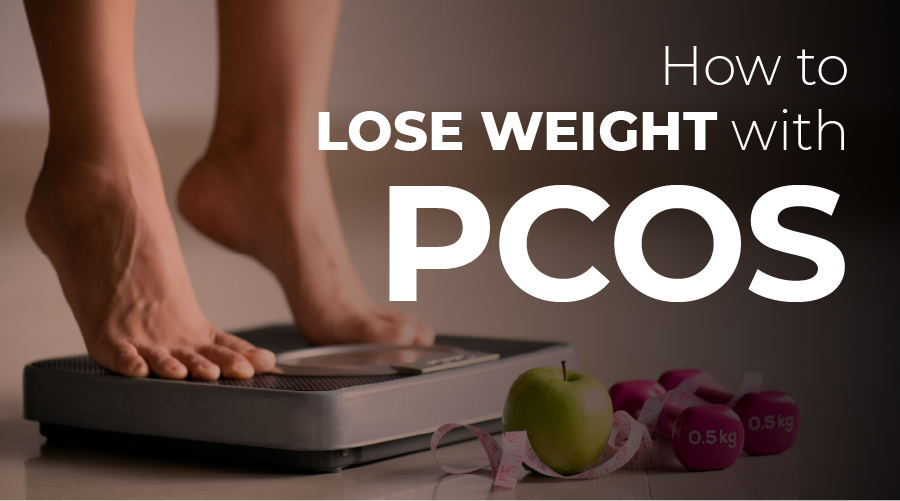
A person's feet on a weight scale next to an apple, measuring tape, and dumbbells, illustrating PCOS weight loss strategies.

How to Lose Weight with PCOS Naturally | Dr. Ikram Clinic

How to Lose Weight with PCOS Naturally: The Expert Guide Losing weight with Polycystic Ovarian Syndrome (PCOS) often feels like an uphill battle. However, you are not alone in this struggle. Many women eat less and exercise more without seeing results on the scale. This happens because your hormones and metabolism dictate your weight, not just your calorie intake. At Dr. Ikram’s Diet & Weight Loss Clinic, we show you how to lose weight with PCOS through a science-based, natural approach. Why is it Hard to Lose Weight with PCOS? PCOS significantly changes how your body processes insulin. Consequently, your body stores fat more easily than others. Additionally, hormonal imbalances slow down your resting metabolism. Therefore, standard diet plans usually fail because they ignore these underlying biological factors. Common Biological Obstacles Insulin Resistance: This causes your body to store sugar as fat. Hormonal Imbalance: High androgen levels trigger abdominal weight gain. Intense Cravings: Frequent blood sugar crashes lead to sugar binges. Signs You Have PCOS-Related Weight Issues Many women suffer for years without realizing their symptoms link to PCOS. For instance, weight gain specifically around the abdomen is a major red flag. Similarly, irregular periods and persistent acne often signal hormonal distress. If you struggle with thinning hair or excess facial hair, a targeted medical approach is necessary. Can You Really Lose Weight with PCOS Naturally? Yes, you certainly can. However, your strategy must differ from traditional “eat less” methods. Natural weight loss with PCOS focuses on improving insulin sensitivity first. Furthermore, you must balance your hormones to unlock stored body fat. Quick fixes and crash diets do not work long term because they stress your system further. Dr. Ikram’s Natural Strategy for Success We use a personalized plan to help patients achieve lasting results. Our method treats the root cause of the weight gain. 1. Insulin-Controlled Nutrition Plan Diet is the foundation of effective PCOS management. Specifically, we design plans that stabilize your blood sugar levels throughout the day. This approach reduces cravings and supports your natural hormonal balance. 2. Smart Carbohydrate Management Not all carbohydrates are harmful. However, you must choose low glycemic index foods to avoid insulin spikes. We guide you to balance healthy carbs with high protein and fiber. Consequently, you will feel fuller for longer periods. 3. Exercise for Hormonal Support Excessive, high-intensity exercise can actually worsen stress hormones. Instead, we recommend moderate-intensity workouts and strength training. These activities build muscle and improve insulin sensitivity without overtaxing your body. 4. Stress and Sleep Management High stress levels increase cortisol, which leads to belly fat. Therefore, we help you improve sleep quality and reduce stress eating. Better routines lead to better hormone regulation. Common Mistakes to Avoid Many patients unknowingly slow their own progress. Avoid these common pitfalls: Crash Dieting: This triggers starvation mode and halts fat loss. Skipping Meals: This causes blood sugar crashes and later overeating. Over-Exercising: Excessive cardio can increase inflammation. Start Your Journey Today PCOS does not mean you are stuck with unwanted weight. With the right medical guidance, you can balance your hormones and feel confident again. Book your consultation at Dr. Ikram’s Diet & Weight Loss Clinic today and take the first step toward a healthier you.

How to Lose Weight with PCOS Naturally | Dr. Ikram Clinic Read More »

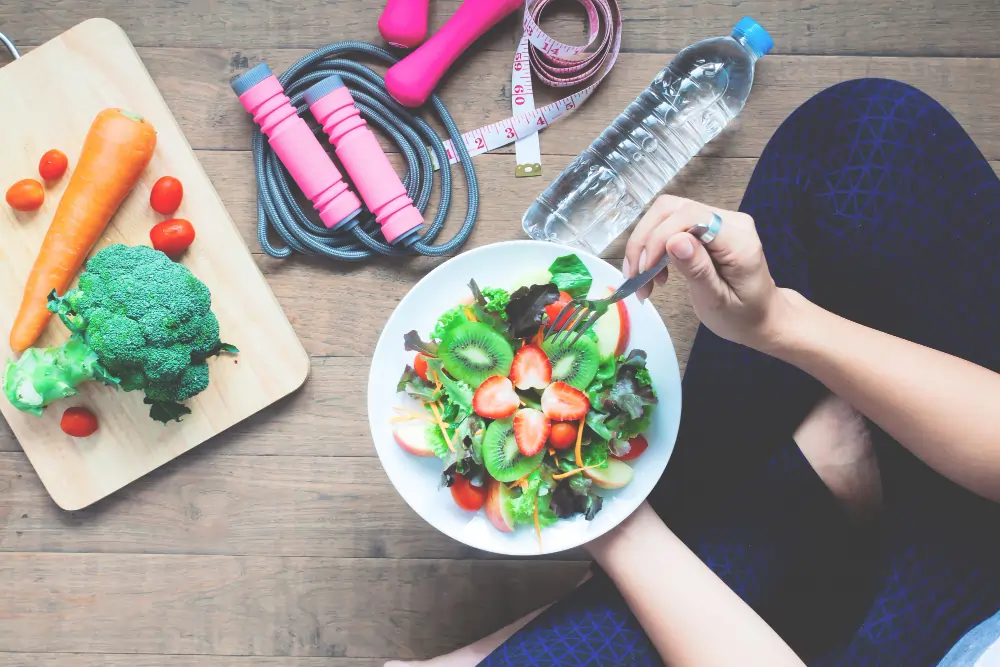
A person in workout clothes eating a healthy fruit and vegetable salad, surrounded by exercise equipment like a jump rope and dumbbells, illustrating the benefits of exercise and healthy eating.

Post-Pregnancy Weight Loss: Safe Medical Guide for Karachi Mums

Post-Pregnancy Weight Loss: Safe Medical Protocols for Karachi Mums Welcoming a new baby brings immense joy to any family. However, many women struggle with post-pregnancy weight loss and stubborn fat retention. You might feel overwhelmed by extra weight around the belly, fatigue, and hormonal shifts. If you are a Karachi mother dealing with lingering baby weight, you are not alone. Many Pakistani women retain 5–6 kg beyond their pre-pregnancy weight. Specifically, our rich, calorie-dense traditional diets and busy urban lifestyles make weight management difficult. Fortunately, safe and effective medical protocols exist today. These programs respect your postpartum recovery while supporting breastfeeding needs. At Dr. Ikram’s Diet & Weight Loss Clinic in Karachi, we specialize in doctor-supervised programs tailored for new mothers. Understanding Postpartum Weight Retention in Pakistan During pregnancy, most women gain between 10–15 kg. You naturally lose some weight immediately after delivery. However, the remaining fat stores often linger due to hormonal changes. In Pakistan, cultural practices like “chilla” often involve ghee-rich foods and heavy meals. These traditional habits can contribute to higher weight retention. Additionally, Karachi’s heat and traffic often limit outdoor physical activity for new mums. Consequently, experts recommend assessing your BMI at the 6-week postpartum check-up. If you retain more than 5 kg, you should consider a structured medical approach. Taking action early prevents long-term health risks like diabetes. Why Crash Diets Fail After Childbirth Many new mothers turn to restrictive diets or “detox” teas for quick results. However, these aggressive approaches often backfire. Severe calorie cuts can significantly reduce your milk supply. Furthermore, your body needs extra nutrition to heal after delivery or a C-section. Rapid weight loss often leads to muscle loss and a slower metabolism. Instead of skipping meals, you need a balanced, sustainable strategy. Research shows that safe post-pregnancy weight loss should be gradual. You should aim for 0.5–1 kg per week once your doctor clears you for exercise. Combining medical nutrition with gentle activity delivers the best long-term results. Evidence-Based Medical Protocols for Success Our clinic emphasizes a multimodal, medically supervised approach. We focus on four key pillars to ensure your safety and success: Strategic Timing: We usually begin protocols after your 6-week check-up to ensure your body has healed. Nutrient-Dense Nutrition: We design meals using local Pakistani foods like lean proteins, lentils, and fiber-rich vegetables. Safe Physical Activity: We suggest C-section-safe routines and pelvic floor exercises you can do at home. Medical Monitoring: Our team tracks your energy levels and hormones to prevent a “rebound” effect. Even a modest 5–10% weight loss improves your energy and boosts your confidence. Consequently, you will feel stronger and more capable of enjoying time with your newborn. Practical Tips for Karachi Mothers While professional guidance is best, you can start with these specialist-approved steps: Prioritize Protein: Include lean meat, eggs, or beans in every meal to stay full. Hydrate Constantly: Drink at least 3 liters of water daily, especially in Karachi’s humid climate. Stay Active: Try short 15-minute daily walks with your baby in a stroller. Avoid Skipping Meals: Eat balanced snacks like yogurt or nuts to keep your blood sugar stable. Reclaim Your Health at Dr. Ikram’s Clinic Stop feeling exhausted and uncomfortable in your clothes. A medically supervised post-pregnancy weight loss plan makes all the difference. You deserve to feel energetic and confident without compromising your baby’s needs. Book your consultation at Dr. Ikram’s Diet & Weight Loss Clinic in Karachi today. Our team will create a personalized plan designed specifically for your lifestyle. Take the first step toward a healthier, happier you.

Post-Pregnancy Weight Loss: Safe Medical Guide for Karachi Mums Read More »

A person's feet on a weight scale next to an apple, measuring tape, and dumbbells, illustrating PCOS weight loss strategies.

Medical Weight Loss for PCOS: Why Diets Fail & What Works

Medical Weight Loss for PCOS: Why Diets Fail and What Actually Works PCOS causes significant obesity in females worldwide. This condition affects women from puberty until menopause. Many Pakistani women face this struggle daily. If you experience stubborn weight gain, irregular periods, or acne, you are not alone. Medical weight loss for PCOS offers a science-backed path to sustainable results. High prevalence rates of PCOS exist in urban areas like Karachi. Often, insulin resistance and hormonal imbalances make traditional weight loss incredibly frustrating. Fortunately, Dr. Ikram’s Diet & Weight Loss Clinic specializes in these unique challenges. We provide personalized, doctor-supervised programs that go far beyond generic calorie counting. This guide explains why standard diets usually fail. Furthermore, we explore evidence-based solutions. Learn how our medical approach helps you regain control of your hormones and quality of life. What Is PCOS and Why Is Weight Loss Difficult? Polycystic Ovary Syndrome (PCOS) is a common hormonal disorder. It primarily affects women of reproductive age. Several key features define this condition: Insulin Resistance: This affects 35–80% of patients. Elevated Androgens: Male hormones lead to acne and hair thinning. Irregular Cycles: Many women face absent periods or fertility issues. Abdominal Fat: Central weight gain becomes a major hurdle. In Karachi, women face additional environmental challenges. Stressful urban lifestyles and calorie-dense traditional foods like biryani complicate management. Consequently, many young women lack a deep understanding of how to manage their symptoms. Insulin resistance essentially drives your body into “fat storage mode.” High insulin levels promote fat accumulation. Additionally, these levels increase hunger hormones. This makes burning stored fat nearly impossible without medical intervention. Why Traditional Diets Fail for PCOS Patients You might have tried cutting calories or skipping meals. Perhaps you followed strict “detox” plans. Unfortunately, the weight often returns quickly. Traditional approaches frequently backfire for several reasons: They Ignore Hormones: Generic low-calorie diets do not address insulin resistance. Therefore, your body continues to store fat efficiently. They Trigger Cravings: Severe restriction dysregulates appetite hormones. This leads to intense cravings for carbs and sweets. High Dropout Rates: Research shows many lifestyle interventions fail within a year. Cultural Mismatch: Extreme plans clash with Pakistani family meals and festive traditions. Even well-meaning advice like “eat less” overlooks metabolic reality. Studies confirm that PCOS creates a difficult hormonal environment. Consequently, you need targeted medical support to see lasting change. What Actually Works: Medical Weight Loss for PCOS Effective strategies combine medical supervision with insulin-sensitizing approaches. Even a modest weight loss of 5–10% dramatically improves symptoms. You will notice better menstrual regularity and reduced inflammation. Key elements for success include: Low-Glycemic Index Nutrition Focus on foods that stabilize blood sugar. Choose whole grains like brown rice and barley. Additionally, include lean proteins such as grilled chicken or dal. Use anti-inflammatory spices like turmeric in your Pakistani cooking. Medical Monitoring Doctor-supervised plans often include specific medications. For example, metformin improves insulin sensitivity. These tools support weight loss when combined with a structured diet. Consistent, Gentle Movement Avoid overwhelming routines. Instead, try brisk evening walks or home-based strength training. These activities boost insulin sensitivity without worsening joint issues. Dr. Ikram’s Specialized Approach in Karachi At Dr. Ikram’s Diet & Weight Loss Clinic, we reject one-size-fits-all diets. Our program supports women with PCOS through specific, local strategies: Personalized Nutrition: We use locally available Pakistani foods. Enjoy controlled portions of roti, sabzi, and kebabs. Insulin Strategies: We emphasize meal timing and fiber-rich choices to break the fat-storage cycle. Regular Check-ins: Our team monitors your progress weekly. We adjust your plan based on energy levels and symptoms. Emotional Support: We help you manage cravings during Eid or family weddings. Many patients report better energy and clearer skin within 12 weeks. Most importantly, they achieve steady, maintainable weight loss. Start Your PCOS Recovery Today You can begin your journey with these simple steps: Prioritize Protein: Include protein and fiber in every meal. Swap Sugary Drinks: Replace sweet chai with herbal teas. Improve Sleep: Aim for 8 hours to reduce insulin resistance. Stay Hydrated: Karachi’s heat makes water essential for metabolism. Medical weight loss addresses the root hormonal factors that traditional diets miss. You do not have to fight your body alone anymore. Book a free initial consultation at Dr. Ikram’s Diet & Weight Loss Clinic in Karachi. Let us create a tailored, non-surgical plan for you. Take the first step toward feeling lighter and more energetic today.

Medical Weight Loss for PCOS: Why Diets Fail & What Works Read More »

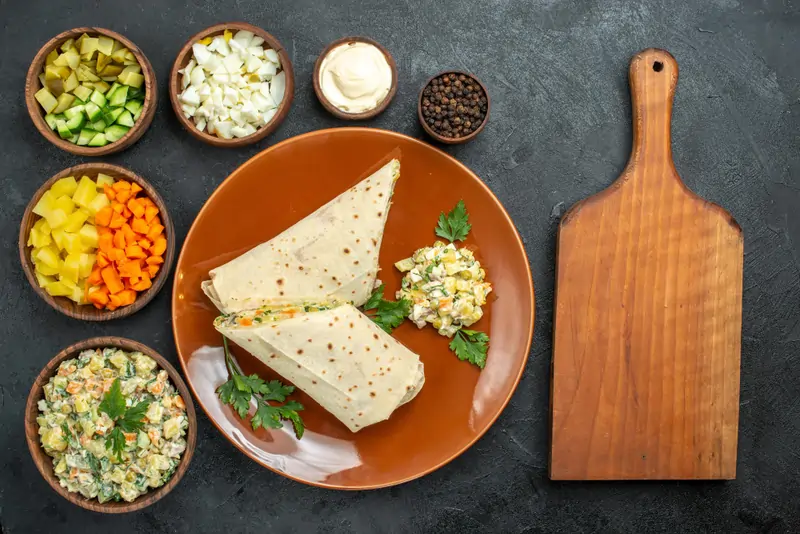
Top-down photo of a healthy PCOS weight loss meal in Pakistan, featuring whole-wheat roti wraps filled with grilled chicken and fresh vegetables, surrounded by healthy nuts, leafy greens, and purple cabbage, on a dark professional surface.

PCOS Weight Loss Diet Plan Pakistan: Balance Your Hormones

PCOS Weight Loss Diet Plan Pakistan: A Complete Medical Guide PCOS affects nearly three out of five women in Pakistan today. Managing this condition is often difficult because our modern lifestyle encourages poor eating habits. However, following a structured PCOS weight loss diet plan in Pakistan can help you reverse insulin resistance and lose weight effectively. Why Weight Loss is Different with PCOS Polycystic Ovary Syndrome (PCOS) is a complex hormonal disorder. It specifically impacts your metabolism, insulin levels, and reproductive health. Consequently, your body stores fat more easily, especially around the midsection. Insulin resistance is the primary reason why traditional calorie-counting diets often fail. Therefore, you need a hormone-friendly approach rather than just eating less. A specialized diet helps stabilize your blood sugar and reduces common symptoms like acne and irregular periods. Best PCOS Weight Loss Diet Plan in Pakistan This plan focuses on locally available, nutrient-dense foods. Additionally, it avoids expensive “superfoods” that are hard to find in local markets. Morning (Empty Stomach) One glass of warm water with lemon. OR one teaspoon of apple cider vinegar in a glass of water. Breakfast (Protein-Focused) Choose one of the following options: Two boiled eggs with one slice of multigrain bread. Oats prepared with milk and topped with chia seeds. A Besan chilla (gram flour pancake) made with minimal oil. Avoid: Crispy parathas, halwa puri, and sugary tea. Mid-Morning Snack One seasonal fruit (apple, guava, or papaya). OR a small handful of raw almonds and walnuts. Lunch (The Balanced Plate) One small whole-wheat roti or a small portion of brown rice. Grilled chicken, daal, or seasonal vegetables (sabzi). A large bowl of fresh salad with a side of plain yogurt. Tip: Always keep your roti thin and avoid adding extra ghee. Evening Snack Sugar-free green tea. A handful of roasted chana (chickpeas) or mixed nuts. Dinner (Light and Early) Grilled chicken or steamed fish. A bowl of mixed sautĂ©ed vegetables. Pro Tip: Try to avoid heavy carbohydrates during dinner for faster results. Foods to Prioritize vs. Foods to Avoid Eat These (High Fiber & Protein) Avoid These (High Glycemic Index) Whole grains (Oats, Whole Wheat) White flour (Naan, White Bread) Lean proteins (Eggs, Chicken, Fish) Refined sugar (Sweets, Soda) Healthy fats (Nuts, Seeds, Olive Oil) Fried foods (Samosas, Pakoras) Leafy greens and colorful vegetables Processed snacks (Chips, Biscuits) Essential Lifestyle Tips for PCOS Diet alone is rarely enough to fix hormonal imbalances. Consequently, you must combine your nutrition plan with healthy habits. Consistent Exercise: Aim for 30–45 minutes of daily activity. Strength training is particularly effective for insulin sensitivity. Quality Sleep: Ensure you get at least 7–8 hours of restful sleep every night. Stress Management: High cortisol levels worsen PCOS. Practice meditation, deep breathing, or daily prayer to stay calm. How Fast Can You See Results? If you stay consistent with this PCOS weight loss diet plan in Pakistan, you can expect to lose 2–4 kg per month. Furthermore, most women notice more regular periods within 12 weeks. Your energy levels will likely increase, and your skin health will improve significantly. Get a Personalized PCOS Weight Loss Plan Every woman has a unique metabolic profile. Generic advice might work for some, but a customized approach is always more effective. If you want to achieve faster weight loss and total hormonal balance, expert guidance is vital. Book Your Consultation Today. Stop guessing and start seeing real changes. Get a personalized plan designed by a medical expert who understands Pakistani dietary habits. FAQs Can I lose weight with PCOS without dieting? No, because PCOS is directly linked to insulin resistance. Diet is the most powerful tool to manage insulin. Is roti allowed in a PCOS diet? Yes, but you should choose whole wheat and limit the portion size. Which exercise is best for PCOS? A combination of brisk walking and light strength training yields the best results.

PCOS Weight Loss Diet Plan Pakistan: Balance Your Hormones Read More »

Scroll to Top