
Dr. Syed Ikram | Diet and Weight Loss Clinic

Thyroid Health

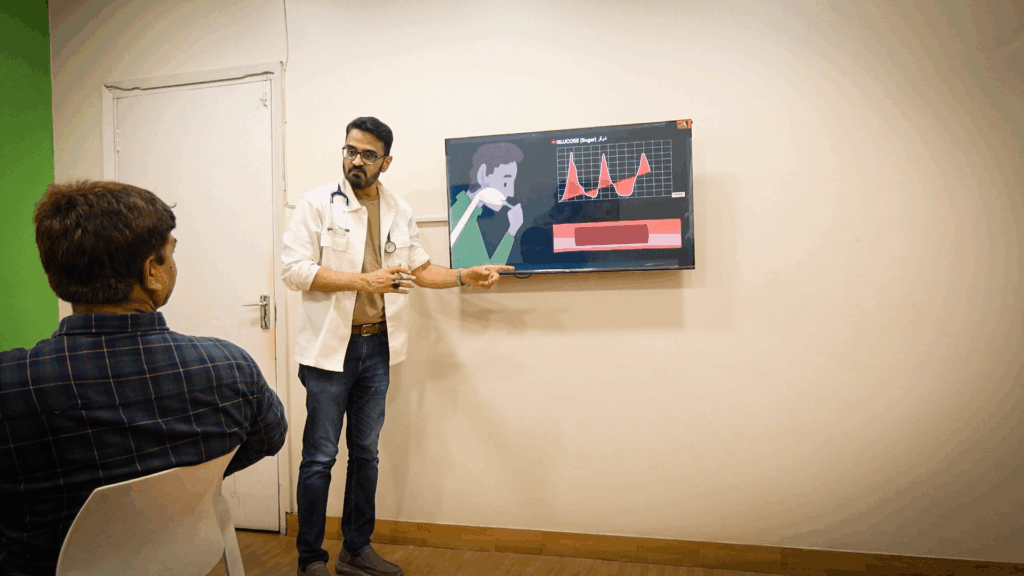
Dr. Ikram providing thyroid weight gain treatment in Karachi.

Hypothyroidism Diet Chart Pakistan: 7-Day Plan

Thyroid and Weight Gain: A Doctor’s 7-Day Pakistani Diet Chart for Hypothyroidism Struggling with unexplained weight gain despite eating very little? An underactive thyroid might be the hidden culprit slowing down your metabolism. Finding a realistic hypothyroidism diet chart in Pakistan that fits local cuisine, cultural eating habits, and medical needs is often challenging. Many generic diet plans demand expensive, inaccessible Western ingredients. However, sustainable healing starts right in your local kitchen. By pairing traditional Pakistani staples with thyroid-supportive nutrients, you can reactivate a sluggish metabolism, balance energy levels, and drop stubborn fat safely. Why Hypothyroidism Causes Weight Gain (And Why Starvation Diets Fail) The thyroid gland produces hormones T3 and T4 that dictate how efficiently your body burns calories. When hormone production drops, hypothyroidism significantly slows resting metabolic rate, reduces fat breakdown, and promotes fluid retention. Drastic calorie cutting often worsens this condition. When you starve your body, your thyroid downregulates hormone production even further to conserve energy. To overcome this metabolic roadblock, you need nutrient-dense meals that supply key micronutrients without triggering chronic inflammation. Essential Micronutrients for Pakistani Thyroid Patients Before starting any meal plan, prioritize foods that directly support hormone synthesis and peripheral conversion: Iodine: Essential for producing thyroid hormones. Always use certified iodized salt in daily cooking, but avoid excessive supplementation. Selenium & Zinc: Research confirms the essential role of selenium and zinc in thyroid conversion from inactive T4 to active T3. Incorporate eggs, sunflower seeds, lentils, and lean meat. Lean Protein: Stimulates the thermic effect of food and preserves muscle mass. Include lentils (daal), chickpeas (chana), chicken breast, and low-fat yogurt (dahi). Dietary Fiber: Combat the chronic constipation and sluggish gut motility common in hypothyroidism by choosing whole wheat (chakki atta), oats, and seasonal vegetables. The 7-Day Pakistani Diet Chart for Hypothyroidism Take your prescribed thyroid medication (such as Levothyroxine) on an empty stomach with plain water at least 45 to 60 minutes before breakfast. Day Breakfast Mid-Morning Snack Lunch Evening Snack Dinner Monday 2 boiled eggs + 1 small bran roti + green tea 1 small apple + 4 soaked almonds 1 small bowl Daal Mong/Masoor + 1 medium Chakki Roti + fresh salad 1 cup spiced green tea + handful roasted chana 1 cup Palak Chicken (cooked in 1 tsp olive oil) + 1 small Roti Tuesday 1 bowl rolled oats cooked in water with cinnamon + 1 boiled egg 1 small guava or seasonal fruit 1 cup Chicken Karahi (less oil) + 1 small multi-grain roti + cucumber raita 1 glass fresh coconut water or mint lemonade (no sugar) 1 bowl Bhindi Masala + 1 small Chakki Roti + kachumber salad Wednesday Besan chilla (gram flour pancake) with onions & tomatoes + mint chutney Handful of raw pumpkin seeds + 2 walnuts 1 bowl Chana Chaat (boiled chickpeas, diced veggies, lemon, minimal spices) Green tea with ginger slice 1 portion Grilled fish or pan-seared local fish + steamed vegetables Thursday 2-egg white omelet with spinach & mushrooms + 1 slice whole wheat toast 1 small bowl plain homemade dahi (yogurt) 1 bowl Tori/Lauki (gourd) salan + 1 Chakki Roti + tomato-onion salad 1 cup cinnamon-infused warm water 1 bowl Daal Chana + 1 cup boiled brown rice + raw salad Friday 1 boiled egg + 1 small cup boiled lobia (black-eyed peas) + green tea 1 small pear or orange 1 portion Chicken Tikka (breast piece) + 1 small Roti + mint raita Handful of roasted makhana (fox nuts) 1 bowl Daal Mash + 1 small Bran Roti + fresh green salad Saturday Omelet (1 whole egg + 1 white) with coriander & green chili + 1 small Chakki Roti 1 glass buttermilk (namkeen lassi) 1 bowl Mixed vegetable salan (tinday/gourd/carrot) + 1 Roti + plain curd 1 cup green tea with lemon 1 cup Chicken Shimla Mirch + 1 small multi-grain roti + salad Sunday 1 cup boiled Anda Chana (light gravy, minimal oil) + 1 small Bran Roti 1 small seasonal fruit 1 plate Chicken Pulao (made with brown basmati rice & minimal oil) + cucumber raita 1 cup chamomile or fennel tea 1 bowl vegetable soup with shredded chicken breast (no cornstarch) Foods to Eat vs. Foods to Avoid Understanding dietary trade-offs simplifies everyday meal decisions: Category Recommended (Eat Freely) Moderation / Avoid Strictly Grains Whole-grain chakki atta, barley (jowar), rolled oats, brown rice Refined flour (maida), white bakery bread, naan, parathas Proteins Country chicken, skinless poultry, eggs, fish, black/white chana, daal Processed meats, sausages, deep-fried chicken Vegetables Lauki, tori, bhindi, karela, cooked spinach, carrots, cucumber Raw cruciferous vegetables (raw cabbage, raw cauliflower, raw broccoli) Cooking Oils Mustard oil, extra virgin olive oil, cold-pressed sesame oil (1-2 tsp/day) Hydrogenated vanaspati ghee, refined canola or soybean oil Dairy Fresh homemade yogurt, low-fat milk, paneer Sweetened condensed milk, whole milk creams, packaged flavored milk Snacks & Sweets Roasted chana, makhana, walnuts, fresh fruit Mithai, samosas, pakoras, bakery biscuits, sugary soft drinks 3 Essential Lifestyle Habits for Thyroid Weight Loss Cook Goitrogenic Foods Thoroughly: Vegetables such as cabbage, cauliflower, and spinach contain goitrogens that can disrupt iodine uptake if eaten raw. Steaming, boiling, or thoroughly cooking them in traditional salans deactivates these compounds safely. Prioritize Strength Training: Aerobic exercise alone is insufficient. Resistance training 3 times a week preserves metabolically active muscle tissue, keeping your daily caloric burn elevated. Manage Stress and Sleep Quality: Chronic stress elevates cortisol, which inhibits the conversion of $T_4$ to active $T_3$. Aim for 7 to 8 hours of uninterrupted sleep every night. Expected Timeline and Results Weight loss with an underactive thyroid requires consistency and patience. Unlike standard rapid weight loss diets, thyroid metabolic recovery happens in progressive stages: Weeks 1 to 2: Significant reduction in bloating, water retention, and post-meal lethargy. Weeks 3 to 4: Noticeable boost in daily energy levels and clearer skin; gradual loss of 1 to 2 kg. Months 2 to 3: Steady, sustainable weight reduction averaging 0.5 to 1 kg per week, improved lipid markers, and stable TSH levels. Take Control of

Hypothyroidism Diet Chart Pakistan: 7-Day Plan Read More »
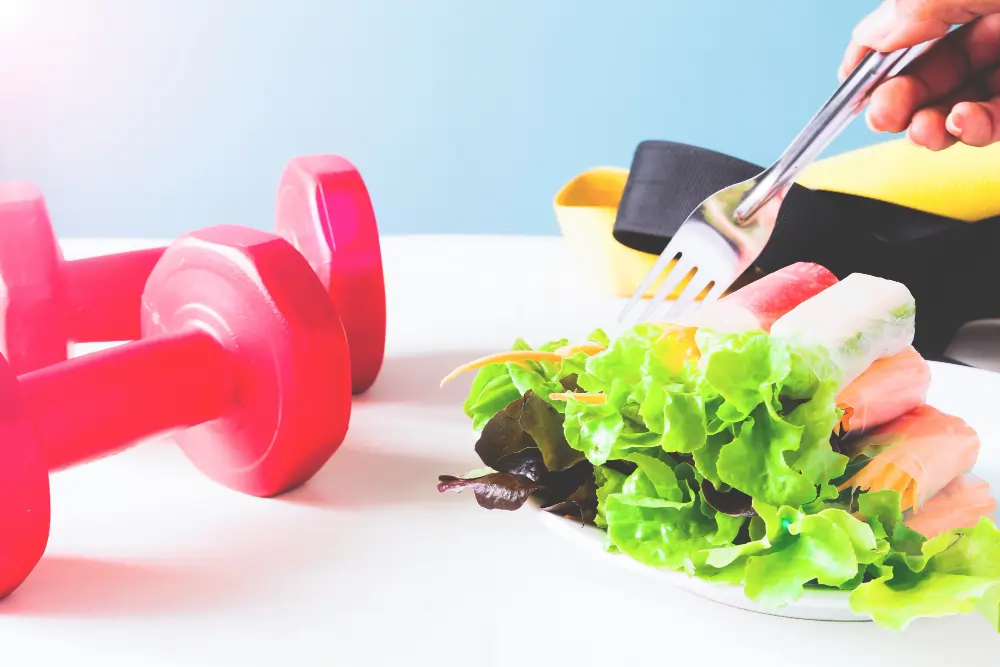
Red dumbbells next to a plate of fresh salad and spring rolls, representing workout and diet secrets for weight loss.

Hypothyroidism Weight Loss Diet Plan Pakistan | Dr. Ikram

Hypothyroidism Weight Loss Diet Plan Pakistan: Boost Slow Metabolism Naturally Losing weight in Pakistan can feel like an uphill battle, especially when your body refuses to burn calories efficiently. If you suffer from constant fatigue, unexplained weight gain, and stubborn abdominal fat despite eating less, an underactive thyroid may be the core issue. Following a structured hypothyroidism weight loss diet plan in Pakistan can help reset your slow metabolism, balance crucial hormone levels, and promote sustainable fat loss without extreme starvation. Why Hypothyroidism Causes Weight Gain & Slow Metabolism Your thyroid gland, located at the base of your neck, produces hormones that control your body’s basal metabolic rate (BMR). When the thyroid produces insufficient hormones (T3 and T4), your metabolic machinery decelerates. Consequently, your body stores excess energy as fat instead of burning it for fuel. Medical studies on thyroid hormone regulation and metabolic slowdown confirm that individuals with untreated or poorly managed hypothyroidism burn significantly fewer calories at rest. Furthermore, fluid retention and sluggish digestion often exacerbate weight gain. Understanding this biological connection is the first step toward reclaiming your health. The Actionable Pakistani Hypothyroidism Diet Plan Traditional Pakistani cuisine heavily features refined carbs, ghee, and processed flour (maida), which can worsen inflammation and slow metabolism. To achieve fat loss with hypothyroidism, you must focus on nutrient-dense, locally available foods that support thyroid function. Daily Dietary Protocol Breakfast: 2 boiled or poached eggs (rich in protein and selenium). 1 small bran roti or a bowl of rolled oats cooked in water or low-fat milk. 1 cup of warm green tea or cinnamon water (avoid tea/coffee within 1 hour of taking thyroid medication). Mid-Morning Snack: A small handful of un-salted walnuts or almonds, or roasted chickpeas (bhuna chana). Lunch: 1 small multi-grain or bran roti (or 1 small cup of brown rice). 1 bowl of chicken or mutton lentil soup (daal without heavy tadka), or grilled chicken breast. A large fresh salad bowl featuring cucumber, radish, and tomatoes. Evening Snack: Green tea with a pinch of black seed (kalonji) or pumpkin seeds (rich in zinc). Dinner: Baked or steamed fish, or bottle gourd (lauki / kaddoo) cooked in minimal olive oil or mustard oil. Avoid heavy carbohydrates late at night to keep night-time digestion smooth. Additionally, ensuring adequate iodine and mineral intake aligns with global dietary guidelines for thyroid dysfunction, helping your thyroid gland function at its optimum potential. Foods to Eat vs. Foods to Avoid Making smart swaps in your daily Pakistani meals makes a massive difference in metabolic speed. Foods to Include Foods to Limit or Avoid Proteins: Eggs, chicken breast, fish, lean mutton Refined Carbs: Maida, naan, parathas, white bread Whole Grains: Bran roti, oats, brown rice Sugars & Sweets: Bakery items, mithai, fizzy drinks Healthy Fats: Olive oil, mustard oil, raw walnuts Trans Fats: Deep-fried samosas, pakoras, dalda ghee Cooked Veggies: Lauki, tinda, cooked spinach, carrots Raw Goitrogens: Excess raw cabbage, raw cauliflower Thyroid Boosters: Pumpkin seeds, iodized salt, kalonji Processed Foods: Frozen nuggets, instant noodles Crucial Note on Goitrogens: Vegetables like cabbage, cauliflower, and spinach contain goitrogens, which can interfere with thyroid hormone synthesis if eaten raw in large quantities. Cooking these vegetables thoroughly neutralizes goitrogenic compounds, making them completely safe to enjoy. Lifestyle & Exercise Tips to Ignite Metabolism Nutrition alone is only part of the solution. To rev up a sluggish thyroid metabolism, incorporate these daily habits: Prioritize Strength Training: Lifting weights or performing bodyweight exercises (squats, lunges) 3–4 times a week builds lean muscle mass, which naturally elevates your resting metabolic rate. Optimize Thyroxine Timing: Always take your prescribed thyroid medication (e.g., Levothyroxine/Thyronorm) first thing in the morning with plain water, on an empty stomach. Wait at least 45 to 60 minutes before drinking tea or eating breakfast. Get 7 to 8 Hours of Sleep: Sleep deprivation spikes cortisol (stress hormone) levels, which further suppresses thyroid function and increases sugar cravings. Expected Timeline & Results Weight loss with hypothyroidism requires patience and biological consistency. Because your metabolism is recovering, progress may feel slower than standard diets: Weeks 1–2: Reduction in water retention, bloating, and daily fatigue. Weeks 3–4: Gradual fat loss of approximately 0.5 kg to 1 kg per week. Month 2 and Beyond: Noticeable changes in waist circumference, improved energy, and stable hormone levels when combined with medication. Take the First Step: Transform Your Metabolic Health Managing thyroid issues requires more than generic diet plans found online. Every individual’s hormonal balance, metabolic rate, and lifestyle needs are unique. If you are struggling to shed stubborn weight despite your best efforts, medical guidance is crucial to breaking through the weight loss plateau safely. To receive a tailored medical nutrition plan designed specifically for your body and lifestyle, book a personalized weight loss consultation with Dr. Ikram today at Dr. Ikram’s Diet & Weight Loss Clinic. Let us help you boost your metabolism, rebalance your hormones, and achieve sustainable wellness. Frequently Asked Questions (FAQs) 1. Can I eat roti if I have hypothyroidism and want to lose weight? Yes, but choice of flour matters. Avoid refined wheat flour (maida) and traditional white flour. Switch to whole wheat bran roti, barley (jowar) roti, or multi-grain flour to increase fiber intake and prevent insulin spikes. 2. Why is weight loss so much harder with hypothyroidism in Pakistan? Pakistani diets heavily rely on refined carbohydrates, oil-heavy curries, and frequent tea breaks with sugar. Combined with a lower basal metabolic rate caused by thyroid deficiency, unmonitored calorie intake leads to rapid fat accumulation. 3. Should I completely stop eating daal (lentils)? No. Lentils provide essential plant-based protein and fiber. However, cook your daal with minimal oil, avoid heavy butter/ghee tadkas, and monitor portion sizes if you are pairing them with rice or roti. 4. How long does it take to see weight loss results on a thyroid diet? With consistent adherence to a thyroid-friendly diet, medication compliance, and moderate physical activity, most patients begin seeing measurable fat loss and improved energy within 3 to 4 weeks.

Hypothyroidism Weight Loss Diet Plan Pakistan | Dr. Ikram Read More »

Dr. Ikram providing thyroid weight gain treatment in Karachi.

Thyroid Weight Gain Treatment: Break Your Weight Plateau

Thyroid Weight Gain Treatment: Identifying the Medical Root Cause Are you struggling with a weight plateau despite your best dieting efforts? Many people eat less and exercise more but still fail to lose weight. Consequently, you may feel tired, bloated, and emotionally stuck. The problem likely is not your diet plan; instead, it could be your thyroid. At Dr. Ikram’s Diet & Weight Loss Clinic, we specialize in thyroid weight gain treatment. We identify the hidden medical reasons behind stubborn weight gain. What Is the Thyroid Gland and Why Does It Matter? The thyroid is a small, butterfly-shaped gland in your neck. Primarily, it controls your metabolism and regulates how your body uses energy. When the thyroid slows down, your body burns significantly fewer calories. Doctors call this condition hypothyroidism. Furthermore, this is one of the most common causes of unexplained weight gain. This hormonal shift results in a frustrating weight loss plateau and increased fat storage. Common Signs and Symptoms of Hypothyroidism In clinical practice, many patients do not realize their symptoms link to thyroid dysfunction. However, identifying these signs is the first step toward recovery. Common symptoms include: Unexplained and rapid weight gain. Difficulty losing weight despite strict dieting. Constant fatigue and low energy. Thinning hair or brittle nails. Cold intolerance and slow digestion. If you experience multiple symptoms, your thyroid may be the hidden culprit. Therefore, a professional medical evaluation is necessary. Why a Weight Loss Plateau Happens with Thyroid Issues A weight plateau feels incredibly discouraging. You may be doing everything right but seeing zero results on the scale. This happens because your metabolism has slowed to a crawl. Consequently, your calorie-burning capacity decreases while hormonal balance is disrupted. Standard diet plans often fail in this situation. This is because they do not address the biological root cause of the problem. Dr. Ikram’s Medical Approach to Thyroid Weight Management We provide a science-based and personalized thyroid weight gain treatment for every patient. Our process ensures you lose weight safely and keep it off. 1. Comprehensive Medical Evaluation We start by identifying the actual medical problem. Specifically, we perform detailed thyroid function tests, including TSH, T3, and T4 levels. Additionally, we conduct a full metabolic assessment to understand your unique body chemistry. 2. Customized Nutrition Strategy Your diet must support your metabolism rather than starve it. Therefore, we design nutritional plans that improve metabolic efficiency. These plans support thyroid function and promote steady fat loss without using crash diets. 3. Exercise Tailored to Thyroid Health Excessive or high-intensity exercise can often worsen thyroid-related fatigue. Instead, we recommend low to moderate-intensity workouts. Specifically, we focus on strength training to boost your resting metabolism safely. Take Control of Your Metabolism Today Your weight plateau is not a reflection of your willpower. Frequently, it is a medical issue that requires professional intervention. With the right thyroid weight gain treatment, you can restart your metabolism and feel like yourself again. Book your consultation at Dr. Ikram’s Clinic today and discover the real reason behind your weight struggles.

Thyroid Weight Gain Treatment: Break Your Weight Plateau Read More »

Scroll to Top