Dr. Syed Ikram | Diet and Weight Loss Clinic

Diabetes Management

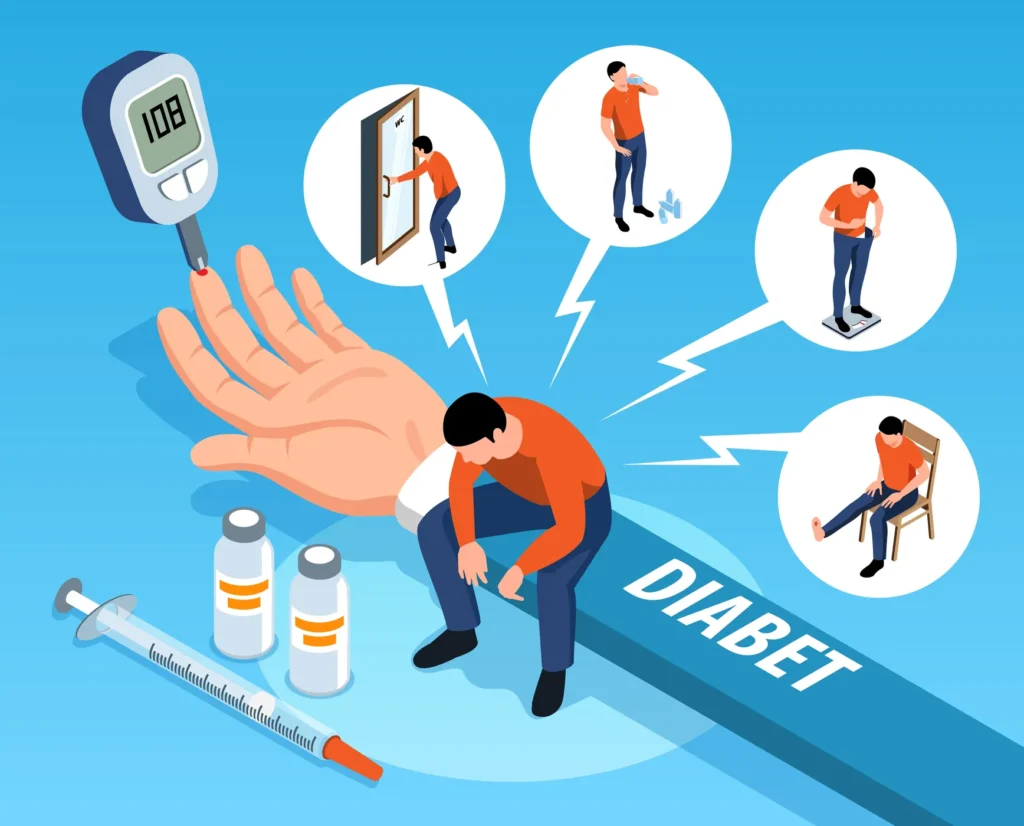
An isometric illustration depicting common diabetes symptoms like extreme thirst, frequent urination, and fatigue alongside a blood glucose meter, supporting a natural diabetes diet plan in Pakistan.

Diabetes Diet Plan Pakistan: Lower HbA1c Naturally

Diabetes Diet Plan Pakistan: Lower HbA1c Naturally Managing Type 2 diabetes while enjoying traditional Pakistani cuisine can feel challenging. Many people believe they must permanently give up staple household foods like roti, biryani, or daal. However, following a structured diabetes diet plan in Pakistan allows you to enjoy delicious traditional meals while keeping your blood sugar stable and lowering your HbA1c naturally. Why Managing HbA1c Matters in Pakistan In Pakistan, daily dietary habits lean heavily toward refined carbohydrates, vegetable ghee, and sugary milk teas. As a result, blood sugar levels often stay elevated, pushing your HbA1c reading above the safe threshold of 5.7%. According to a recent World Health Organization (WHO) report on diabetes, early dietary intervention significantly reduces long-term complications such as neuropathy, kidney disease, and cardiovascular damage. Lowering your HbA1c requires a sustainable balance rather than extreme starvation. By switching to high-fiber local grains and controlling portion sizes, you can effectively regulate insulin sensitivity without compromising on taste. Actionable Daily Diabetes Diet Plan for Pakistan To optimize glycemic control, space your meals evenly throughout the day. Groundbreaking clinical studies on dietary management of HbA1c show that pairing complex carbohydrates with lean protein and healthy fats prevents sudden post-meal blood sugar spikes. Breakfast (8:00 AM) Option A: 1 multigrain or barley (jowar/bajra) roti with 2 boiled or poached eggs and sliced cucumber. Option B: Omelet made with 2 eggs, spinach (palak), onions, and green chilies, cooked in 1 teaspoon of olive oil or pure desi ghee. Drink: Unsweetened black tea or green tea with a pinch of cinnamon. Avoid traditional milk tea (doodh patti) with added sugar. Morning Snack (11:00 AM) A small bowl of roasted chickpeas (bhuna chana) or 5 to 6 raw almonds and walnuts. Lunch (1:30 PM) Salad: 1 bowl of fresh salad (cucumber, radish, tomatoes, and cabbage) eaten before the main meal. Main Meal: 1 small multigrain roti or half a cup of boiled brown basmati rice served with chicken curry, fish, or lentil (daal). Include cooked non-starchy vegetables like bitter gourd (karela) or okra (bhindi). Evening Snack (5:00 PM) 1 cup of sugar-free green tea paired with 1 slice of low-fat paneer or a small handful of pumpkin seeds. Dinner (8:00 PM) Grilled chicken breast or baked fish served with stir-fried seasonal vegetables. Keep dinner light and finish it at least 2 to 3 hours before sleep to improve overnight fasting glucose levels. What to Eat vs. What to Avoid Making smart grocery swaps is the fastest way to lower your blood sugar levels. Use this quick guide during your weekly shopping: Food Category Foods to Include (Low Glycemic Index) Foods to Strictly Avoid / Limit Staple Grains Barley (jowar), oats, multigrain flour, brown rice White flour (maida), naan, paratha, white bread Proteins Skinless chicken, fish, eggs, lentils, chickpeas Deep-fried meats, commercial kebabs, pakoras Vegetables Bitter gourd (karela), spinach, okra, cucumber Excessive potatoes (aloo), yam, sweet potatoes Beverages Cinnamon tea, black tea, lemon water, unsweetened lassi Commercial fruit juices, sodas, sugary doodh patti Fats Cold-pressed olive oil, raw nuts, limited pure ghee Vegetable ghee, hydrogenated oils, margarine Essential Lifestyle & Exercise Tips Diet alone works best when paired with light daily activity. You do not need an intense gym routine to see improvements in your lab reports: Walk After Meals: A gentle 15-minute walk right after lunch and dinner lowers post-prandial glucose spikes significantly. Stay Hydrated: Drink 8 to 10 glasses of water daily. Dehydration concentrates sugar in your bloodstream, leading to higher test readings. Prioritize Sleep: Poor sleep increases cortisol levels, which directly raises fasting blood sugar levels. Aim for 7 to 8 hours of quality rest every night. Expected Timeline & Results Reversing insulin resistance takes consistency. When you strictly follow a tailored diabetes diet plan in Pakistan, you can expect: Weeks 1–2: Stable daily energy levels, reduced sugar cravings, and better morning fasting glucose readings. Weeks 4–6: Noticeable weight loss around the abdomen and improved digestion. Month 3 (12 Weeks): A measurable drop in your HbA1c test results (often decreasing by 0.5% to 1.5% depending on adherence). Take Control of Your Health: Consult Dr. Ikram Today Every individual’s metabolic profile is unique, and generic diets rarely deliver long-term results. If you want a customized, culturally tailored meal strategy that fits your daily routine, you should book a consultation with Dr. Ikram at Dr. Ikram’s Diet & Weight Loss Clinic. Our expert medical team provides personalized guidance, continuous monitoring, and proven nutritional protocols to help you reverse diabetes naturally. To make your dietary transition convenient and hassle-free, you can also buy Dr. Ikram’s specially formulated diabetic multigrain flour. Ground from low-glycemic, fiber-dense local grains, this custom blend allows you to enjoy soft, delicious rotis that stabilize your blood sugar without sacrificing traditional flavor. Frequently Asked Questions (FAQs) 1. Can I eat rice if I have diabetes in Pakistan? Yes, but portion control is essential. Swap refined white rice for brown basmati rice, limit your portion to half a cup, and always pair it with a large bowl of salad and lean protein. 2. Is multigrain roti better than white flour roti for lowering HbA1c? Yes. Multigrain flour contains significantly higher dietary fiber, which slows down glucose absorption into the bloodstream and prevents rapid blood sugar spikes after meals. 3. How fast can I lower my HbA1c level with diet? Since HbA1c measures average blood sugar over a 90-day cycle, you will see the true reflection on your lab test after 3 months of consistent dietary and lifestyle changes. 4. Can I drink chai on a diabetes diet? You can enjoy chai if you eliminate sugar, jaggery (gur), and condensed milk. Use low-fat milk in moderation or switch to black tea or green tea infused with cinnamon.

Diabetes Diet Plan Pakistan: Lower HbA1c Naturally Read More »

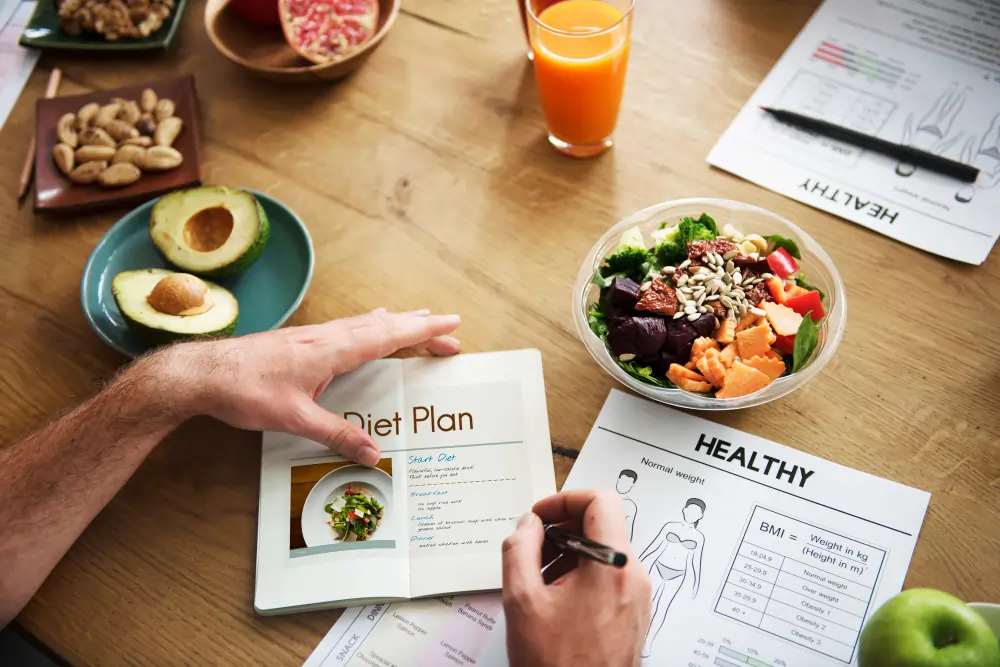
Top-down view of a doctor or nutritionist designing a personalized clinical diet plan on a wooden desk alongside a fresh vegetable salad bowl, sliced avocados, nuts, and a BMI weight chart.

Insulin Resistance and Weight Loss: The Hidden Link | Dr. Ikram Clinic

The Hidden Link Between Insulin Resistance and Weight Loss: Why Generic Diets Fail Have you ever felt like your metabolism is working entirely against you? You slash your calories, cut out your favorite foods, spend hours walking or at the gym, and yet the scale refuses to budge. Even worse, you constantly battle intense sugar cravings and a stubborn layer of fat around your midsection that just won’t go away. If this sounds familiar, the problem isn’t your lack of willpower. The true culprit is highly likely a metabolic condition called insulin resistance. When your body becomes resistant to insulin, losing weight isn’t just difficult—it becomes biochemically blocked. Let’s break down the clinical science behind how insulin resistance traps weight and explore practical, doctor-approved strategies to reverse it using a traditional Pakistani diet. The Science: How Insulin Resistance Traps Fat To understand why weight loss stalls, we have to look at how your body handles energy. Every time you eat carbohydrates—whether it’s a slice of white roti, a bowl of rice, or a piece of fruit—your body converts it into glucose (sugar) for energy. In response, your pancreas releases a hormone called insulin. Think of insulin as a master key whose job is to unlock your cells so glucose can enter and be used for fuel. Here is what happens when things go wrong: The Overwhelmed Lock: When your diet is consistently high in refined sugars and processed carbs, your body continuously pumps out massive amounts of insulin. Over time, your cells get tired of the constant influx and change the locks. They stop responding to the hormone. The Glucose Traffic Jam: Because the cells are locked, glucose builds up in your bloodstream. The Fat Storage Trap: The brain senses this high blood sugar and orders the pancreas to pump out even more insulin to clear the traffic jam. Because insulin is fundamentally a fat-storage hormone, having chronically high levels circulating in your body sends a continuous signal to your metabolism: Store fat, and under no circumstances burn it. As long as your insulin levels remain chronically high, your body remains locked in storage mode, making weight loss nearly impossible despite a caloric deficit. The Visual Warning Signs of Insulin Resistance Clinically, insulin resistance rarely stays completely hidden. It leaves distinct clues that you can spot early on: Central Obesity: Weight gain that is heavily concentrated around the belly and midsection (visceral fat). The Post-Meal Crash: Feeling profoundly exhausted, foggy, or sleepy shortly after eating a carbohydrate-heavy meal (like a large plate of biryani or naan). The Sweet Tooth Cycle: Experiencing intense, uncontrollable cravings for sweets, tea with sugar, or baked goods, even if you just ate. Acanthosis Nigricans: Darkened, velvety patches of skin appearing around the neck, armpits, or groin area. 3 Clinical Rules to Break the Insulin Lock and Lose Weight Reversing insulin resistance doesn’t require extreme starvation or expensive, imported health foods. It requires changing how and when you eat your everyday meals. 1. Re-Engineer the “Plate Ratio” (Prioritize Protein & Fiber) A traditional Pakistani plate is often heavily dominated by carbohydrates—think two large rotis with a small side of gravy. To lower insulin, you must flip this ratio. Always build your meal around a clean source of protein (chicken, fish, eggs, or lentils) and non-starchy, fiber-rich vegetables (sabzi). Protein and fiber act as natural metabolic speed bumps, slowing down the absorption of glucose into your bloodstream and preventing sharp insulin spikes. 2. Ditch the Liquid Calories One of the fastest ways to trigger an aggressive insulin surge is by drinking your calories. Traditional beverages like sweetened doodh patti, commercial juices, and regular sodas hit the liver instantly. Switch to unsweetened green tea, black coffee, or plain water infused with mint. If you must use a sweetener, opt for pure stevia in moderation rather than refined white sugar. 3. Move After You Eat Your muscles are incredibly efficient consumers of glucose. When you exercise, your muscles can actually pull sugar straight out of your bloodstream for energy without needing insulin to unlock them. You don’t need a grueling gym session to capitalize on this. A simple, brisk 10-to-15-minute walk taken immediately after lunch and dinner is clinically proven to drastically lower post-meal glucose spikes and give your pancreas a much-needed break. Reversing Insulin Resistance: A Pakistani Meal Swap Guide Making sustainable weight loss progress comes down to making smarter local substitutions: Instead of This (High Insulin Spike) Choose This Instead (Stable Insulin & Energy) White Maida Roti or Naan Pure Whole Wheat (Chakki Atta) or Multigrain Roti White Basmati Rice (Large Portions) Controlled Portions of Brown Rice or Quinoa Sweetened Doodh Patti / Chai with Sugar Cardamom or Ginger Green Tea (No Sugar) Evening Snacks like Samosas / Pakoras A Handful of Mixed Nuts (Almonds & Walnuts) Get a Personalized Metabolic Strategy Insulin resistance is a deeply personal metabolic puzzle. Your body’s exact carbohydrate tolerance, hormone baseline, and lifestyle demands are completely unique to you. Generic internet diet sheets will not heal the underlying cellular issue. Book Your Consultation Today. Stop fighting your body and start working with your biology. At Dr. Ikram Clinic, we focus on treating the root metabolic causes of weight stagnation. Let us design a medically supervised nutrition plan tailored to your lifestyle, helping you naturally lower insulin levels, reclaim your daily energy, and achieve permanent weight loss safely. FAQs How long does it take to reverse insulin resistance and start losing weight? With consistent dietary modifications, cellular insulin sensitivity can begin to improve within 2 to 4 weeks. However, significant, long-term reversal of metabolic resistance and steady fat loss typically takes 3 to 6 months of structured nutritional therapy. Can I take Metformin to lose weight if I have insulin resistance? Metformin is a prescription medical management tool that helps improve insulin sensitivity, but it is not a standalone weight loss pill. It works effectively only when paired with strategic nutritional adjustments and regular physical activity. Never start medication without a

Insulin Resistance and Weight Loss: The Hidden Link | Dr. Ikram Clinic Read More »

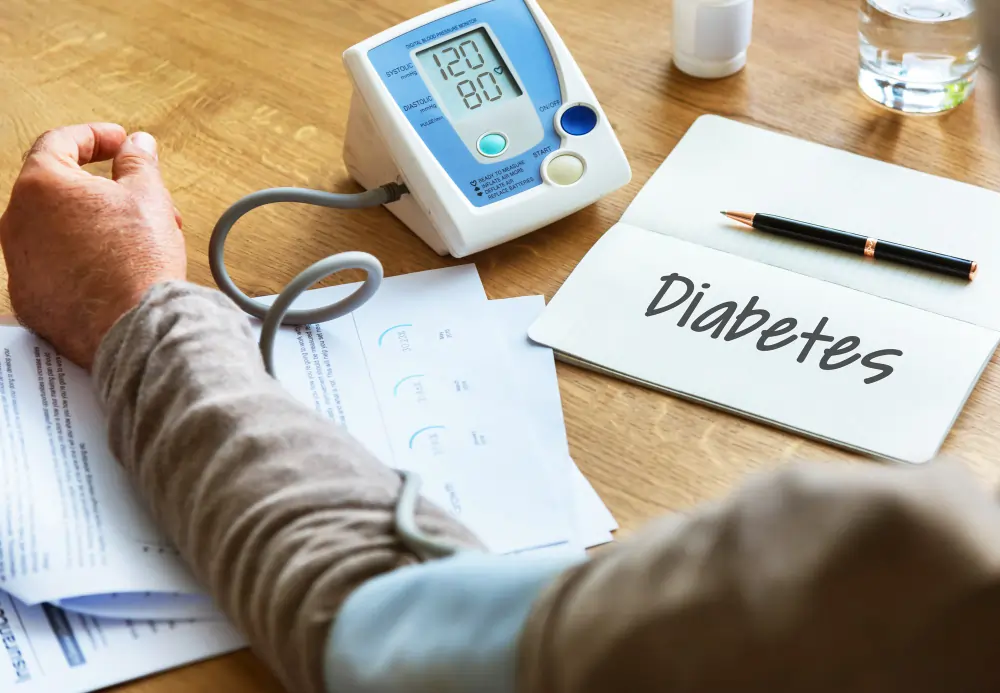
Patient monitoring health stats alongside a 'Diabetes' notebook to plan the best diet for diabetic patients in Pakistan.

Reverse Insulin Resistance Through Diet: 2026 Guide

How to Reverse Insulin Resistance Through Diet: 2026 Guide Many people struggle with weight gain and chronic fatigue despite constant dieting. Often, the hidden culprit remains poor insulin sensitivity. Fortunately, you can reverse insulin resistance through diet by following a structured, science-based plan. This 2026 guide explains how to reclaim your metabolic health step-by-step. Understand Insulin Resistance and Its Impact Insulin resistance occurs when your cells ignore the hormone insulin. Consequently, your blood sugar levels rise because the sugar cannot enter your cells. To compensate, your pancreas produces even more insulin. Over time, this cycle creates several health issues: Stubborn belly fat Persistent fatigue Increased risk of type 2 diabetes Improving insulin sensitivity remains essential for long-term health. Why Diet Reverses Insulin Resistance Dietary choices directly influence insulin production. For example, high-sugar diets keep insulin levels chronically elevated. This state promotes fat storage and makes weight loss nearly impossible. However, a strategic diet can: Lower baseline insulin levels Enhance metabolic flexibility Promote efficient fat burning Therefore, changing your plate serves as the most effective first step. Recognize the Warning Signs You might struggle with insulin resistance if you notice specific physical changes. Specifically, look for: Difficulty losing weight around the waist Intense sugar cravings after meals Frequent energy crashes Darkened skin patches on the neck or underarms If you experience these symptoms, you must take immediate action. Strategic Steps to Reverse Insulin Resistance Through Diet 1. Eliminate Sugars and Refined Carbs Reducing sugar intake stabilizes your blood glucose. Furthermore, avoiding white bread and sugary desserts prevents massive insulin spikes. Instead, choose low-glycemic options like leafy greens and whole grains. 2. Prioritize High-Quality Protein Protein improves satiety and supports muscle mass. Consequently, adding protein to every meal reduces the urge to snack. Excellent sources include eggs, wild-caught fish, and Greek yogurt. 3. Incorporate Healthy Fats Healthy fats slow down the absorption of sugar into the bloodstream. Therefore, your insulin levels remain stable throughout the day. Focus on avocados, olive oil, and raw nuts. 4. Increase Daily Fiber Fiber acts as a natural buffer for your metabolism. It improves gut health and lowers the insulin response of your meals. Focus on beans, lentils, and cruciferous vegetables. 5. Optimize Your Meal Timing When you eat matters just as much as what you eat. Specifically, avoiding late-night snacks allows your insulin levels to drop. Many patients find success by maintaining consistent meal times and avoiding grazing. Top Foods for Better Insulin Sensitivity Add these nutrient-dense foods to your daily routine: Leafy Greens: Spinach and kale provide essential minerals. Lean Proteins: Chicken and eggs support metabolic repair. Healthy Fats: Olive oil and avocados protect your heart. Probiotics: Greek yogurt supports a healthy gut microbiome. Foods You Must Avoid Avoiding inflammatory foods accelerates your recovery. Specifically, limit: Processed fruit juices and sodas White flour products (bread, pasta) Trans fats found in fried snacks High-fructose corn syrup Common Mistakes to Avoid Many people stall their progress by following extreme, unsustainable diets. Additionally, skipping meals can sometimes lead to overeating later. Always prioritize consistency over perfection to see lasting results. How Long Does Recovery Take? Metabolic changes begin almost immediately. Many people notice improved energy within two weeks. However, significant reversal of insulin resistance typically requires three to six months of dietary discipline. When to Seek Professional Medical Help Consult a professional if your weight remains stagnant despite these changes. Furthermore, seek guidance if you manage pre-existing conditions like PCOS or type 2 diabetes. A personalized plan ensures you reach your goals safely. Start Your Health Recovery Today You can reverse insulin resistance through diet with the right guidance. A customized approach helps you lose weight faster and regain your energy. Book your consultation today and take control of your metabolic future.

Reverse Insulin Resistance Through Diet: 2026 Guide Read More »

Patient monitoring health stats alongside a 'Diabetes' notebook to plan the best diet for diabetic patients in Pakistan.

Best Diet for Diabetic Patients in Pakistan | Dr. Ikram

Best Diet for Diabetic Patients in Pakistan Diabetes is the most common chronic metabolic condition in Pakistan. Currently, our country ranks among the nations with the highest prevalence of this condition. Consequently, managing diabetes requires more than just avoiding sugar. You must choose the right foods in the correct balance to reverse insulin resistance effectively. Many people struggle with diabetes because of traditional eating habits. High-carb meals, sugary drinks, and irregular patterns make blood sugar control difficult. However, at Dr. Ikram’s Diet & Weight Loss Clinic, we help patients follow a practical diet plan. We specifically design these plans to work with Pakistani foods. Why Diet Is Crucial in Diabetes Care Every food choice directly impacts your blood sugar levels. When you consume high-carbohydrate or sugary foods, your blood glucose rises quickly. Consequently, your insulin demand increases and fat storage rises. A proper best diet for diabetic patients in Pakistan helps stabilize blood sugar. Furthermore, it improves energy levels and supports sustainable weight loss. Therefore, choosing the right ingredients is your first step toward health. Frequent Mistakes in Pakistani Diets Many diabetic patients unknowingly make mistakes that spike their glucose levels. For instance, eating large portions of roti or rice adds excessive carbs to your day. Additionally, many people consume sugary chai multiple times daily. Other common errors include skipping meals and overeating later. Many families also rely heavily on fried foods. Unfortunately, these habits significantly worsen blood sugar control over time. What Is the Best Diet for Diabetic Patients? There is no single “perfect diet” for everyone. However, a balanced approach works best for most patients. An ideal diabetic diet must control carbohydrates and simple sugars. Additionally, you should include protein in every meal. High-fiber foods, such as green vegetables, are also essential. Most importantly, you must avoid refined sugar and processed carbs to maintain stability. Dr. Ikram’s Recommended Diet Plan (Pakistani Style) 1. Smart Roti and Rice Intake You do not need to eliminate carbohydrates completely. Instead, you should limit roti to controlled portions. Prefer whole wheat or “Lal Atta” over refined white flour. Furthermore, reduce your white rice intake significantly. Portion control remains the key to success. 2. Increase Protein in Every Meal Protein helps stabilize blood sugar levels effectively. Good options include eggs, chicken, fish, and lentils (daal). Specifically, protein helps reduce hunger cravings throughout the day. Consequently, you will feel full for longer periods. 3. Add Fiber-Rich Vegetables Vegetables slow down the absorption of sugar into your bloodstream. Therefore, you should include “Lauki,” “Tinda,” and “Karela” in your daily meals. Spinach and other leafy greens are also excellent choices. These improve digestion and glucose control naturally. 4. Control Sugar and Sweet Foods You must avoid Mithai, desserts, and sugary soft drinks. Additionally, try to reduce excess sugar in your tea gradually. If you reduce sugar slowly, your palate will adapt without feeling deprived. 5. Healthy Snacking Choose healthy snacks instead of deep-fried items. For example, a handful of nuts, a cup of yogurt, or a boiled egg works well. These choices prevent sudden sugar spikes between major meals. Sample Daily Diet Plan: Breakfast: Two egg whites with one small whole-wheat roti and unsweetened tea. Lunch: Grilled chicken or fish served with a large salad and one small roti. Snack: A small handful of almonds or walnuts. Dinner: Daal or vegetable curry with a small portion of protein. Role of Weight Loss in Diabetes Control Even a small amount of weight loss improves blood sugar levels. Specifically, it enhances insulin sensitivity and reduces the need for heavy medication. Since diet and weight loss go hand in hand, a structured plan is vital for long-term health. Why Generic Diet Plans Fail Many patients follow internet diets that do not suit the Pakistani lifestyle. These plans often suggest unrealistic food options that are hard to find. Consequently, they lack long-term sustainability. A customized plan tailored to our local cuisine works much better. Dr. Ikram’s Approach to Diabetic Diet Planning We provide personalized Pakistani meal plans under strict medical supervision. Our team offers continuous monitoring and regular adjustments. Ultimately, our goal is long-term blood sugar control rather than temporary results. When Should You Seek Professional Help? You should consult a specialist if your blood sugar remains uncontrolled. Additionally, seek help if you feel confused about food choices or continue to gain weight. We can help you reduce medication safely through proper nutrition. Take Control of Your Diabetes Naturally With the right diet, you can manage diabetes effectively. You can still enjoy normal Pakistani food while controlling your blood sugar. This approach significantly improves your quality of life. Book your consultation today and get your personalized diabetic diet plan!

Best Diet for Diabetic Patients in Pakistan | Dr. Ikram Read More »

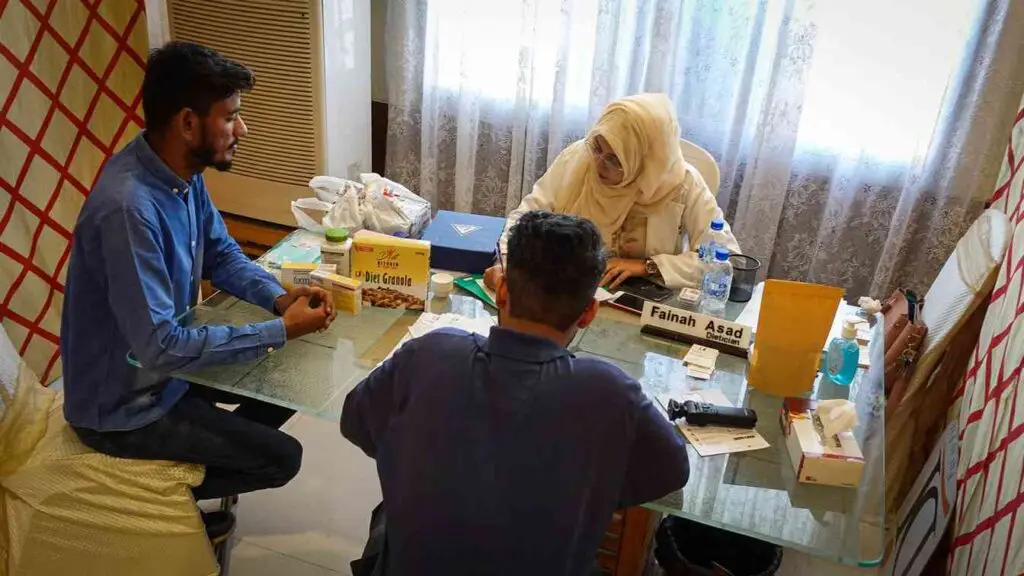
A medical professional discussing a personalized plan for diabetes management in Karachi with a patient.

Diabetes Management in Karachi | Dr. Ikram’s Science-Based Plan

Diabetes Management in Karachi: Dr. Ikram’s Clinical Approach Effective diabetes management in Karachi requires more than just standard medication. Many people struggle to control their blood sugar and weight simultaneously. Furthermore, diabetes acts as a complex metabolic syndrome rather than a simple sugar issue. This hormonal condition negatively impacts your entire body and drains your daily energy. At Dr. Ikram’s Diet & Weight Loss Clinic, we treat diabetes using a complete, science-based strategy. Our focus remains simple: stabilize blood sugar, reduce excess weight, and improve your long-term health. The Direct Link Between Weight Gain and Diabetes Most individuals with Type 2 diabetes also face significant weight challenges. This connection happens for a specific biological reason. Specifically, excess body fat leads to insulin resistance. Consequently, your insulin cannot function properly to regulate glucose. This hormonal failure triggers a dangerous cycle: Blood sugar levels rise rapidly. The body stores more fat. Energy levels drop significantly. The more weight you gain, the harder diabetes becomes to manage. Therefore, addressing fat storage remains the first step toward recovery. Why Traditional Diabetes Treatments Often Fail Many standard treatment plans focus exclusively on medication. While medicines help, they rarely solve the underlying metabolic cause. Furthermore, patients often experience frustrating setbacks. Common problematic factors include: Temporary blood sugar control only. Continuous, unwanted weight gain. Growing dependency on higher medication doses. Without addressing lifestyle and metabolism, long-term success stays out of reach. Dr. Ikram’s Strategy for Diabetes Management in Karachi With over twenty years of experience, Dr. Ikram utilizes a unique medical method. We treat diabetes as a metabolic disease. Consequently, our results last longer than traditional diets. 1. Personalized Nutrition Planning We recognize that no “one-size-fits-all” diet exists. Therefore, we design customized meal plans based on your unique metabolism. We analyze your blood sugar patterns and lifestyle preferences. This approach stabilizes glucose levels while promoting steady fat loss. 2. Targeted Weight Reduction Even a 5–10% reduction in body weight significantly improves blood sugar control. Our structured programs prioritize safe fat loss and muscle preservation. Furthermore, we build sustainable habits that prevent weight regain. Patients often see measurable improvements within just a few weeks. 3. Medical Monitoring and Adjustment As your blood sugar improves, your medication needs change. We carefully monitor your fasting glucose and HbA1c levels. Consequently, we allow for the safe adjustment of treatments. This professional oversight prevents complications like hypoglycemia. 4. Strategic Exercise for Diabetics Exercise remains essential, yet you must perform it correctly. We guide patients through low-impact workouts and gradual resistance training. These activities improve insulin sensitivity naturally. Even simple daily movement makes a massive difference in your results. Real Results: What Our Patients Experience Patients following our clinical program report life-changing benefits. Most see better blood sugar control within the first month. Additionally, many reduce their dependency on heavy medications. Steady weight loss and increased mental clarity follow quickly. This transformation offers a long-term solution rather than a temporary fix. Who Should Seek Professional Help? Consider a structured diabetes program if you: Manage Type 2 diabetes daily. Struggle to lose stubborn body weight. Experience fluctuating or high blood sugar levels. Want to reduce your medication dependency safely. Early intervention prevents serious long-term complications. Why Choose Dr. Ikram’s Clinic in DHA Karachi? We provide medical weight management using a strictly scientific approach. Our clinic stands out because we offer doctor-led treatment plans. Furthermore, we focus on the root cause of your illness. You receive continuous monitoring and customized diet strategies tailored to your needs. Take Control of Your Health Today Diabetes does not have to control your life. With the right clinical strategy, you can stabilize your sugar and lose weight. Now is the time to prioritize your wellbeing. Book your consultation today at Dr. Ikram’s and start your journey toward better health.

Diabetes Management in Karachi | Dr. Ikram’s Science-Based Plan Read More »

Scroll to Top