Dr. Syed Ikram | Diet and Weight Loss Clinic

Heart Health & Pain Management

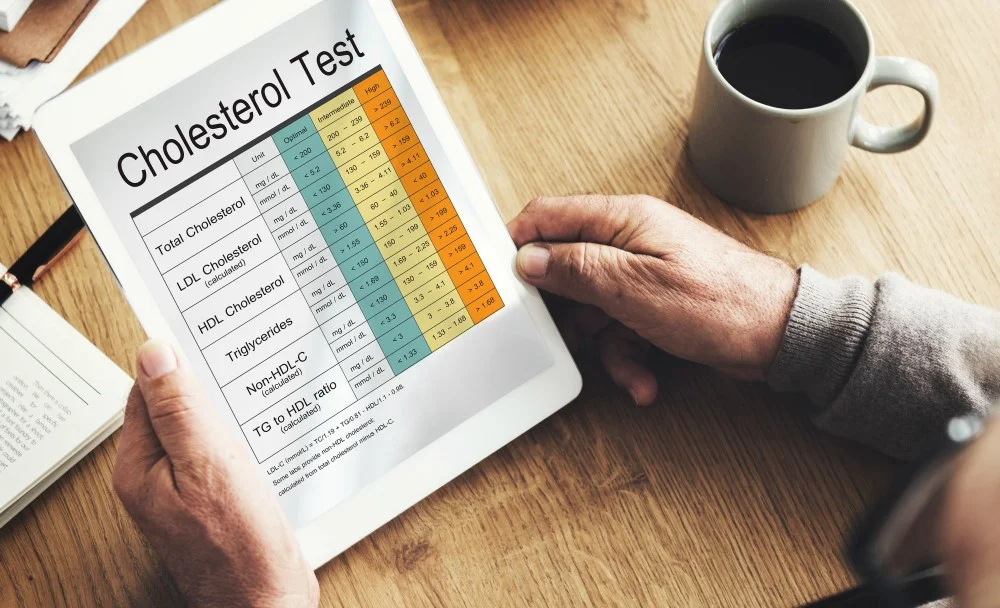
Patient reviewing a digital blood cholesterol test report showing LDL and triglyceride levels before starting a high cholesterol diet plan in Pakistan.

High Cholesterol Diet Plan Pakistan: Lower LDL Naturally

High Cholesterol Diet Plan Pakistan: Lower LDL Naturally High cholesterol and elevated triglycerides have become major health concerns across Pakistan. Traditional South Asian diets often rely heavily on hydrogenated oils, ghee, deep-fried snacks, and refined carbohydrates. These choices directly contribute to rising cardiovascular diseases. However, switching to a structured high cholesterol diet plan pakistan tailored to local foods can lower your LDL (“bad”) cholesterol and restore arterial health naturally. Understanding Cholesterol: Why LDL and Triglycerides Matter Cholesterol is a waxy substance your liver produces to build cells and hormones. Problems arise when blood lipid levels balance incorrectly: Low-Density Lipoprotein (LDL): Known as “bad” cholesterol. Excess LDL deposits plaque inside your arteries, narrowing blood pathways. High-Density Lipoprotein (HDL): Known as “good” cholesterol. HDL carries excess cholesterol back to your liver for elimination. Triglycerides: A type of fat in your blood stored from unused calories, particularly from sugar, refined flour, and alcohol. When LDL and triglycerides remain elevated, your risk of hypertension, coronary artery disease, and stroke increases significantly. Research supported by the American Heart Association confirms that adopting evidence-based dietary strategies for cholesterol management forms the first line of defense against cardiovascular disease. The Pakistani Cholesterol-Lowering Medical Diet Protocol Lowering cholesterol in Pakistan does not require abandoning traditional meals. Instead, it requires swapping harmful saturated fats and refined sugars for heart-healthy local alternatives. 1. Prioritize Soluble Fiber Daily Soluble fiber acts like a sponge in your digestive tract, binding to cholesterol particles and flushing them out before they enter your bloodstream. Clinical trials on the impact of soluble fiber on serum LDL levels show significant reductions in lipid profiles. Breakfast: Swap parathas for oatmeal (jo ka dalia) cooked in low-fat milk or water, topped with a tablespoon of crushed flaxseeds or chia seeds. Daily Addition: Consume 1–2 teaspoons of psyllium husk (isabgol) in plain water 30 minutes before lunch. 2. Upgrade Your Cooking Oils Repeatedly heated vegetable oils, vanaspati ghee, and butter contain high amounts of trans fats and saturated fatty acids. Best Choices: Cook meals using limited quantities of cold-pressed mustard oil (sarson ka tel), extra virgin olive oil, or canola oil. Quantity Rule: Limit total cooking oil consumption to no more than 2–3 teaspoons per person per day. 3. Choose Lean Proteins and Plant Legumes Red meats (beef and mutton) contain high levels of saturated fats that spike LDL. Replace Red Meat With: Skinless chicken breast, white fish (like Rahu or Pamplait), and local legumes (chana daal, moong daal, lobia). Preparation: Bake, steam, or grill your meat. Avoid traditional karahi preparation styles heavy in oil and ghee. Dietary Comparison: Foods to Eat vs. Foods to Avoid Making smart grocery choices simplifies your daily meal prep. Use this simple checklist for your household: Food Category Foods to Include (Heart-Healthy) Foods to Strictly Limit / Avoid Grains & Staples Whole wheat roti (chakki atta), brown rice, barley (jowar), oats White flour (maida), naan, puri, parathas, bakery items Proteins Daal, chickpeas, red kidney beans, grilled fish, chicken breast Beef, mutton, processed sausages, fried chicken, organ meats Fats & Oils Mustard oil, olive oil, walnuts, almonds, flaxseeds Vanaspati ghee, butter, margarine, reused cooking oils Dairy Skimmed milk, low-fat yogurt (dahi) Whole milk, malai, heavy cream, full-fat cheese Snacks & Sweets Roasted makhana, fresh fruits (apples, guavas), raw cucumber Halwa puri, mithai, samosas, pakoras, potato chips Essential Lifestyle Changes for Faster Results Dietary changes work best when paired with targeted daily habits: Brisk Walking: Aim for 30–40 minutes of continuous brisk walking at least 5 days a week. Physical movement increases HDL cholesterol while shrinking triglyceride levels. Eliminate Liquid Sugars: Avoid packaged juices, carbonated sodas, and sweetened doodh patti. Choose green tea with lemon or mint water instead. Manage Daily Stress: Chronic stress raises cortisol levels, which elevates blood lipid profiles. Practice deep breathing or evening strolls. Expected Timeline and Medical Results When adhering strictly to a heart-healthy diet plan: 2 to 4 Weeks: Triglycerides often show the fastest decline, dropping significantly as refined sugar intake stops. 6 to 12 Weeks: LDL cholesterol levels typically decrease by 10% to 15%, as measured by a standard Lipid Profile blood test. Individual results vary depending on baseline lipid levels, metabolic health, and genetics. Take Control of Your Heart Health with Dr. Ikram Managing lipid levels requires a personalized approach that respects your medical history, taste preferences, and daily routine. Generic advice rarely produces long-term success. At Dr. Ikram’s Diet & Weight Loss Clinic, we design clinically validated, easy-to-follow nutrition programs focused on sustainable cardiovascular wellness. If you are ready to normalize your cholesterol levels without sacrificing flavor, book a consultation with Dr. Ikram today to receive your custom medical diet plan. Frequently Asked Questions (FAQs) Is Desi Ghee safe for high cholesterol patients? No. Desi ghee contains high levels of saturated fat. While small amounts are less harmful than hydrogenated vanaspati ghee, consuming desi ghee consistently will elevate LDL cholesterol levels. Can I eat eggs if my cholesterol is high? Yes, but in moderation. Egg whites are completely fat-free and high in protein. If you have elevated LDL, limit egg yolk intake to 2–3 per week while eating egg whites daily. How does Isabgol (Psyllium Husk) help lower LDL? Isabgol contains soluble fiber that forms a gel-like substance in the gut. This gel binds to cholesterol-rich bile acids and removes them through digestion, forcing the liver to extract cholesterol from the blood to produce more bile. Are dry fruits good for cholesterol? Yes. Unsalted almonds, walnuts, and pistachios contain monounsaturated fats and omega-3 fatty acids that improve your lipid profile. Keep servings to a small handful (about 20–30 grams) daily.

High Cholesterol Diet Plan Pakistan: Lower LDL Naturally Read More »

A glass of fresh lemon, cucumber, and mint infused detox water on a wooden platter, recommended as part of a uric acid diet plan in Pakistan.

Uric Acid Diet Plan Pakistan: Desi Foods to Avoid & Relief

Uric Acid Diet Plan Pakistan: High-Purine Desi Foods to Avoid & Gout Relief Struggling with sudden, intense pain in your big toe or knees? You are not alone. High uric acid levels, clinically known as hyperuricemia, affect millions of adults across Pakistan. Adopting a targeted Uric Acid Diet Plan Pakistan allows you to enjoy delicious traditional meals while keeping joint pain and gout flare-ups at bay. Why High Uric Acid Matters in Pakistan Uric acid is a natural waste product created when your body breaks down purines—compounds found abundantly in rich, traditional Pakistani food. Normally, your kidneys filter uric acid out through urine. However, when you consume too many high-purine meals, uric acid builds up in the blood and forms sharp, needle-like crystals in your joints. Our local dietary culture heavily features red meat, organ meats, and oily gravies. Understanding purine breakdown and gout formation helps you make smarter food choices without sacrificing flavor. High-Purine Desi Foods to Avoid or Limit To control high uric acid levels, you must limit foods rich in animal purines. Organ Meats: Kaleji (liver), Siri Paye, Gurde (kidneys), and Maghaz (brain) carry the highest purine levels and should be strictly avoided during flare-ups. Red Meat & Heavy Gravies: Mutton, beef, Nihari, and concentrated bone broths (Yakhni) trigger rapid uric acid spikes. Certain Seafood: Prawns, prawns, and canned sardine fish are rich in purines. Sugary Beverages: Commercial sodas and boxed juices containing high-fructose corn syrup increase uric acid production. Heavy Lentils (In Excess): While plant purines are safer than meat, heavy pulses like Dal Chana and Masoor Dal should be eaten in moderate portions during active joint inflammation. Actionable Desi Uric Acid Diet Plan Evidence-based research on the dietary management of hyperuricemia shows that balancing your meal proportions lowers blood urate levels effectively. Here is a practical 1-day sample meal plan using accessible Pakistani ingredients: Early Morning (7:00 AM) 1 large glass of lukewarm water with half a squeezed fresh lemon. Breakfast (8:30 AM) 1 whole wheat bran roti (or 1 bowl of plain oatmeal cooked in low-fat milk). 1 egg white (boiled or scrambled with minimal oil). 1 cup of green tea without sugar. Mid-Morning Snack (11:00 AM) 1 cup of fresh cherries, guava, or a sliced apple. Lunch (2:00 PM) 1 whole wheat roti or 1 small cup of brown/steamed rice. 1 bowl of gourd vegetable curry (Lauki, Tinda, or Tori) cooked in 1 teaspoon of olive or mustard oil. 1 bowl of fresh cucumber and mint salad. 1 glass of low-fat salted lassi (thin buttermilk). Evening Snack (5:00 PM) 1 cup of black tea or green tea with roasted chickpeas (Bhuna Chana). Dinner (8:00 PM) 1 whole wheat roti. 1 portion of skinless grilled chicken breast or a light vegetable curry (Bhindi or Gobi). 1 small bowl of low-fat dahi (yogurt). Comparison Table: Desi Foods to Eat vs. Avoid Food Category Desi Foods to Enjoy (Low Purine) Desi Foods to Avoid (High Purine) Proteins Egg whites, skinless chicken breast, low-fat dahi Kaleji, Siri Paye, Gurde, Mutton, Beef Vegetables Lauki, Tinda, Tori, Bhindi, Cucumber Excessive Spinach (Palak) during acute pain Grains & Pulses Whole wheat roti, Oats, Moong Dal (moderate) Heavy fried Parathas, excess Dal Chana Beverages Water, Lemon water, Green tea, Low-fat Lassi Sugary fizzy drinks, packaged fruit juices Lifestyle & Exercise Tips for Fast Relief Dietary changes work best when paired with simple lifestyle adjustments: Hydrate Aggressively: Drink 10 to 12 glasses (3 liters) of water daily to help your kidneys flush out excess uric acid. Avoid Rapid Crash Diets: Fasting or extreme calorie restriction causes body tissue breakdown, which spikes blood uric acid levels. Engage in Low-Impact Movement: Daily 30-minute walks keep joints flexible without straining inflamed big toes or ankles. Expected Timeline & Results Days 3–7: Reduced joint stiffness and milder morning swelling. Weeks 2–3: Significant decrease in the frequency of painful gout flare-ups. Weeks 4–6: Noticeable drop in blood uric acid lab levels (targeting under 6.0 mg/dL). Take Control of Your Health: Book Your Consultation Managing high uric acid does not mean living on an overly restrictive, bland diet forever. At Dr. Ikram’s Diet & Weight Loss Clinic, we specialize in customized nutrition plans that respect your regional lifestyle while systematically reversing metabolic imbalances. If you are ready to eliminate joint pain and lose weight safely, book a personalized diet consultation with Dr. Ikram today. Frequently Asked Questions (FAQs) 1. Can I drink Lemon Water (Nimbu Pani) if I have high uric acid? Yes! Fresh lemon juice stimulates the production of calcium carbonate in the body, which helps neutralize uric acid levels naturally. Drink it warm without added refined sugar. 2. Is Dal Chana completely banned for gout patients? Dal Chana contains moderate purines. You do not need to ban it permanently, but you should limit your serving size and avoid eating it during an active, painful gout flare-up. 3. Are egg whites safe to eat on a uric acid diet? Absoutely. Egg whites are low in purines and serve as an excellent, high-quality source of protein for individuals managing gout. 4. How long does it take to flush out high uric acid? With strict hydration and a low-purine diet, acute uric acid spikes usually begin clearing within 5 to 7 days. Normalizing serum blood levels long-term generally takes 4 to 6 weeks of consistent dietary habits.

Uric Acid Diet Plan Pakistan: Desi Foods to Avoid & Relief Read More »

A male call center agent in Karachi, wearing a headset and wincing in pain while sitting at a desk, demonstrating the common suffering and need for non-surgical sciatica treatment.

Joint Pain Weight Loss: How 5kg Restores Your Mobility

Joint Pain Weight Loss: Why 5kg Can Restore Your Mobility Joint pain weight loss offers a revolutionary path to comfort and freedom. Do your knees ache during a simple walk? Perhaps you feel stiffness when standing up or climbing stairs. Frequently, this discomfort stems from the excess load your body carries every day. Joint pain often occurs due to arthritis. Many people mistakenly believe age causes this problem. In reality, excess weight stands as a primary cause of joint stress. At Dr. Ikram’s Diet & Weight Loss Clinic, we help you address the root cause. Specifically, even a small reduction in weight delivers powerful physical results. The Science Behind Joint Pain Weight Loss Your joints carry your entire body weight daily. Consequently, the knees remain especially vulnerable to damage. Research highlights a startling fact: every 1 kg of extra weight adds 4 kg of pressure to your knees. This mechanical stress increases wear and tear over time. Eventually, cartilage damage leads to chronic pain and stiffness. Therefore, overweight individuals often experience joint problems much earlier in life. The 5kg Difference: Small Change, Big Impact Many patients believe they need extreme weight loss to feel better. However, this is not true. Losing just 5 kg can revolutionize your health. Additionally, this modest loss reduces joint pressure significantly. You will likely notice improved mobility and flexibility. Furthermore, daily activities become less painful. A small change truly transforms how your body feels. Why Joint Pain Gets Worse Over Time Joint pain often follows a destructive cycle. First, pain reduces your movement. Subsequently, reduced movement leads to further weight gain. This extra weight then increases joint stress again. Ultimately, the pain becomes worse. Breaking this cycle serves as the key to your long-term recovery. The Problem with Painkillers Alone Many patients rely solely on medication for relief. While medicines help temporarily, they do not reduce the actual joint load. Moreover, pills do not improve your mobility or address the root cause. Long-term relief requires a more sustainable strategy. You must lighten the burden on your frame to heal properly. Dr. Ikram’s Approach to Joint Pain and Weight Loss We use a medical, structured approach to reduce both weight and pain. 1. Safe and Gradual Weight Reduction Rapid weight loss can harm your body. Therefore, we focus on steady fat loss and muscle preservation. This ensures you maintain your success long-term. 2. Anti-Inflammatory Nutrition Plan Food choices play a major role in joint health. We design diets that actively reduce inflammation. Consequently, these plans support joint repair and improve your metabolism. 3. Joint-Friendly Exercise Guidance Exercise remains essential, but it must stay safe. We recommend low-impact activities like walking or cycling. These movements strengthen the muscles supporting your joints without causing injury. 4. Personalized Medical Supervision Every patient possesses unique needs. We carefully monitor your weight changes and pain levels. Thus, we adjust your plan as your physical condition improves. Real Results: What Patients Experience Patients who lose even a small amount of weight notice immediate benefits. They experience less knee and back pain. Additionally, they find walking and climbing stairs much easier. Most importantly, many reduce their dependence on daily pain medication. Take the First Step Toward Pain-Free Movement You do not need an extreme transformation to feel better today. Losing just 5 kg can reduce joint stress and restore your quality of life. Book your consultation at Dr. Ikram’s Clinic today and start your journey toward pain-free movement.

Joint Pain Weight Loss: How 5kg Restores Your Mobility Read More »

Female doctor in a hijab and a patient discussing treatment options for chronic back pain during a professional medical consultation at Dr. Ikram’s clinic.

Chronic Back Pain: When to Stop Exercising & Seek Help

Chronic Back Pain Relief: When to Stop Exercising Millions face chronic back pain daily across Pakistan. Consequently, patients spend billions on various therapies. Many individuals try home workouts or basic stretching. However, lifestyle modifications and supervised weight loss offer the best results. Furthermore, pushing through physical agony during workouts often worsens the injury. Therefore, recognizing when you must stop matters greatly. At Dr. Ikram’s Diet and Weight Loss Clinic, we regularly treat delayed cases. Ultimately, catching the problem early prevents permanent damage. Understanding Chronic Back Pain Causes Doctors define chronic back pain as discomfort lasting beyond 12 weeks. Initially, patients feel dull, sharp, or burning sensations. Additionally, this ache targets the lower, middle, or upper spine. Common triggers include obesity, poor posture, and muscle strains. Similarly, herniated discs and inactive routines cause significant trouble. Extra body fat puts massive pressure on your joints. Thus, medically-supervised weight loss provides crucial long-term relief. Does Exercise Always Cure Back Aches? Light physical activity usually helps the healing process. It strengthens weak muscles and improves joint flexibility. Moreover, regular movement reduces morning stiffness significantly. Yet, you must never push through every single ache. If your discomfort flares up during a workout, your body signals danger. Consequently, you should listen closely to these physical warnings. Stop Exercising Immediately If You Notice These Signs Stop your workout instantly if you spot specific red flags. Firstly, sharp or severe pain demands immediate rest. Mild soreness happens naturally, but sharp stabs signal serious injury. Secondly, radiating pain down your legs indicates nerve compression. For instance, a slipped disc causes this exact symptom. Thirdly, sudden numbness or tingling means nerves face heavy pressure. Finally, sudden limb weakness requires urgent medical attention. When You Should Consult a Weight Loss Specialist Excess weight continuously harms your spinal health. Therefore, consult a specialist if your pain lasts past four weeks. Furthermore, seek help if the ache disrupts your sleep completely. Heavy patients often struggle with basic daily tasks. Alternatively, over-the-counter pills might fail to provide comfort. Prompt medical diagnosis prevents further structural complications. Ultimately, rapid intervention speeds up your entire recovery journey. How Losing Weight Relieves Chronic Back Pain Carrying extra pounds stresses your delicate spinal column. Moreover, fat cells increase dangerous bodily inflammation. Many patients experience massive improvements after shedding fat. A structured diet plan removes pressure from the spine instantly. Consequently, mobility improves while inflammation drops significantly. At Dr. Ikram’s Clinic, we craft personalized nutrition protocols. We guarantee expert guidance for your lasting comfort. Safe Workout Tips for Spinal Health Follow these rules if you attempt light workouts. Initially, start very slowly and build intensity gradually. Furthermore, avoid lifting heavy objects entirely. Focus heavily on strengthening your core muscles. Additionally, maintain perfect posture throughout the day. Stop immediately if any movement hurts you. Ultimately, protecting your spine stays the top priority. Why Expert Medical Guidance Matters Most Self-treating often delays your complete recovery. Conversely, a trained specialist identifies the exact root cause quickly. Doctors recommend safe movements and prescribe needed medications. Furthermore, they guide your weight loss journey effectively. This professional approach saves valuable time and prevents joint deterioration. Conclusion: Take Action Today You must never ignore persistent spinal aches. Regular exercise helps immensely, provided you perform it correctly. However, warning signs dictate immediate rest and professional evaluation. Expert care guarantees much faster healing outcomes. If weight issues complicate your condition, we stand ready to help. Book your consultation today at Dr. Ikram’s Diet and Weight Loss Clinic. Start your new journey toward a pain-free life now!

Chronic Back Pain: When to Stop Exercising & Seek Help Read More »

A male call center agent in Karachi, wearing a headset and wincing in pain while sitting at a desk, demonstrating the common suffering and need for non-surgical sciatica treatment.

Non-Surgical Sciatica Treatment in Karachi: Specialist Guide

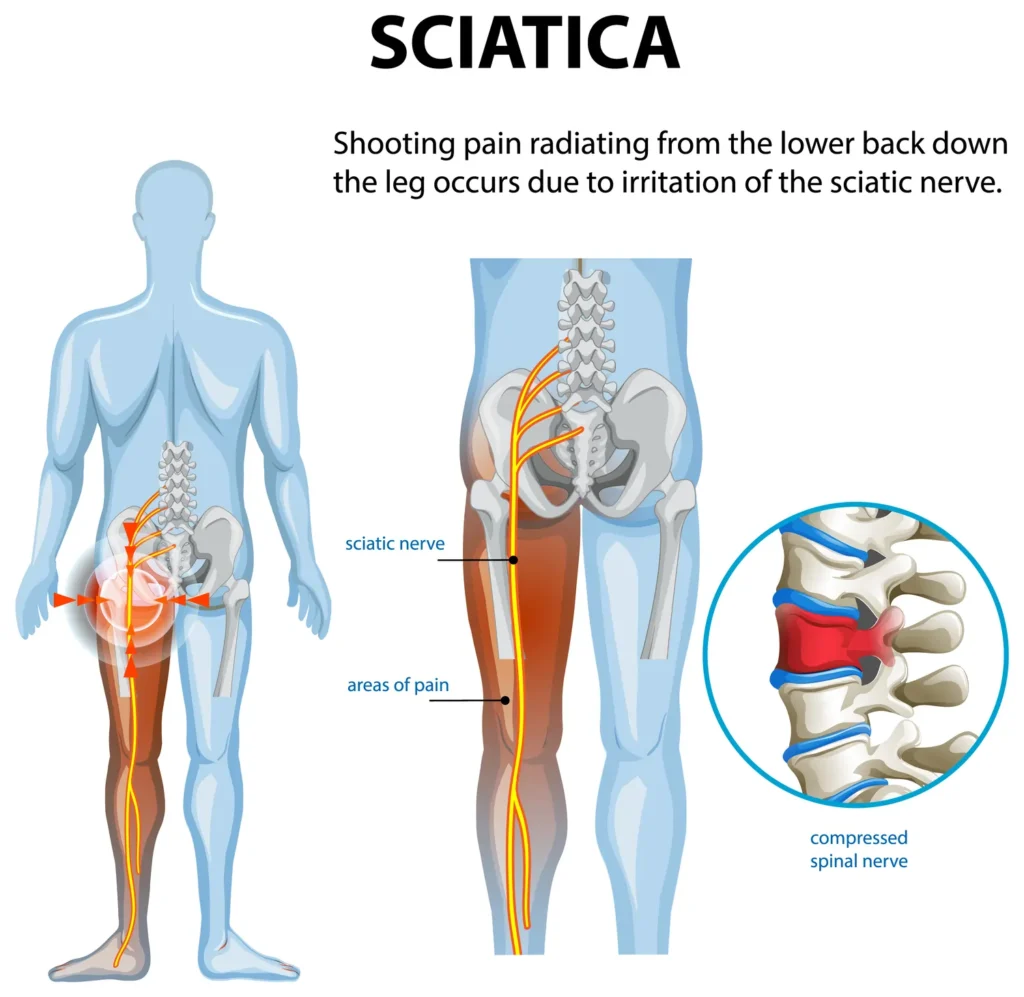
Non-Surgical Sciatica Treatment in Karachi: A Specialist’s Guide Do you struggle with sharp, shooting pain radiating from your lower back down your leg? Thousands of residents in our city face this debilitating condition every year. Fortunately, effective non-surgical sciatica treatment in Karachi exists right now. Most patients find lasting relief by addressing obesity, which remains a primary risk factor for nerve compression. At Dr. Ikram’s Diet Clinic, we specialize in helping Karachi residents find real relief. We use personalized, non-invasive programs to transform lives. This guide explains how targeted weight loss can end your pain without the need for surgery. Understanding Sciatica and Local Risks in Karachi Sciatica occurs when the sciatic nerve becomes compressed or irritated. This nerve is the longest in your body, running from the spine to the feet. Consequently, symptoms often include burning pain, numbness, or tingling in one leg. Common causes include herniated discs and spinal stenosis. However, many patients overlook the impact of excess weight. Every extra pound adds roughly four pounds of pressure to your lower spine. In Karachi, our lifestyle often increases these risks. Long commutes, sedentary desk jobs, and calorie-dense foods like Biryani contribute to weight gain. Therefore, managing your Body Mass Index (BMI) is essential for nerve health. Why Choose Non-Surgical Sciatica Treatment in Karachi? Surgery often feels intimidating and is usually unnecessary. In fact, non-surgical approaches succeed in over 90% of cases. Choosing non-invasive care offers several benefits: No Hospital Stays: Avoid long recovery times and surgical risks. Lower Costs: Non-surgical care is more affordable for Karachi families. Faster Recovery: Return to your work and family life much sooner. Root Cause Focus: Address mechanical stress rather than just masking pain. Traditional painkillers provide short-term relief. Conversely, sustainable non-surgical sciatica treatment targets the inflammation caused by excess body weight. Proven Non-Surgical Sciatica Treatments Effective treatment typically combines several evidence-based methods. These include: Hot and Cold Therapy: Use alternating packs to reduce inflammation at home. Physical Therapy: Strengthen your core muscles to support the spine. Medications: Use short-term NSAIDs to manage swelling. Massage Care: Release tight muscles around the sciatic nerve. While these methods help, weight loss offers the most lasting results. Studies show that a low-calorie diet significantly reduces disability scores in sciatica patients. By shedding just 5–10 kg, you naturally ease the pressure on your lower back. The Impact of Weight on Your Spine Weight Lost Pressure Removed from Spine 1 kg 4 kg 5 kg 20 kg 10 kg 40 kg Dr. Ikram’s Specialist Approach to Relief As a leading weight-loss specialist, Dr. Ikram helps patients ditch pain through sustainable fat loss. Our program focuses on the unique needs of Karachi residents. First, we provide personalized diet plans using local Pakistani foods. You can still enjoy controlled portions of roti, dal, and grilled kebabs. Second, we design sciatica-safe exercise routines. These low-impact sessions are easy to perform at home, avoiding the Karachi heat. Additionally, we provide weekly monitoring to track your pain levels. We do not just treat symptoms; we treat the underlying cause. Many of our patients now enjoy pain-free lives after losing 10–20 kg under our medical care. “I could finally sit through a full meeting at my office in Defence without agony after losing weight with Dr. Ikram.” – Satisfied Patient Practical Lifestyle Tips for Karachi Patients Living in a mega-city brings unique challenges. Follow these specialist-approved tips to manage your sciatica daily: Commute Wisely: Use a lumbar support cushion in your car or bus. Kitchen Swaps: Replace fried samosas with baked versions and use turmeric. Stay Hydrated: Drink 3 liters of water daily to keep spinal discs healthy. Move Hourly: Take short stretch breaks during your workday. Is Non-Surgical Treatment Right for You? If you have lived with leg pain for weeks, you must act now. Early intervention prevents chronic issues. Specifically, if you carry extra weight around your midsection, weight loss is your best defense. Ready to take the first step toward a pain-free life? Book your consultation at Dr. Ikram’s Diet & Weight Loss Clinic today. Our team will assess your condition and create your personalized non-surgical sciatica treatment in Karachi. Call us now to reclaim your mobility and confidence!

Non-Surgical Sciatica Treatment in Karachi: Specialist Guide Read More »

Scroll to Top