Dr. Syed Ikram | Diet and Weight Loss Clinic

Weight Loss & Management

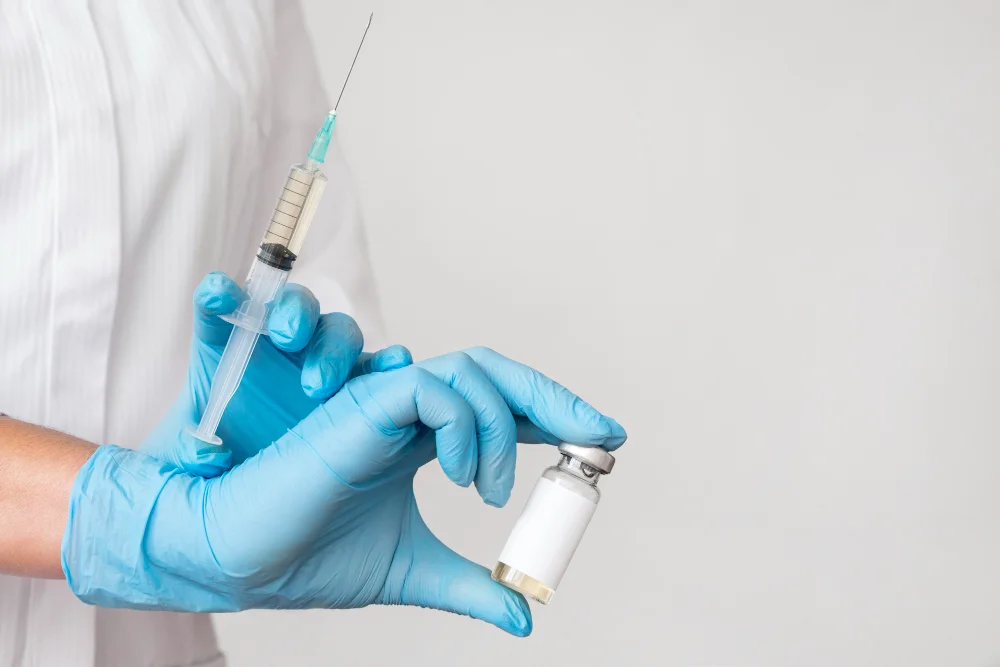
Medical professional wearing blue gloves holding a syringe and medication vial for Mounjaro tirzepatide weight loss treatment in Pakistan.

Mounjaro for Weight Loss in Pakistan: Doctor’s Guide

Mounjaro (Tirzepatide) for Weight Loss in Pakistan: What You Need to Know Are you struggling to lose stubborn body fat despite strict dieting and daily workouts? Medical science has taken a massive leap forward with Mounjaro for weight loss in Pakistan, offering hope to thousands dealing with obesity and metabolic syndrome. Originally formulated to manage type 2 diabetes, this breakthrough medication is rapidly transforming non-surgical weight management across the country. However, taking injectable weight loss medications without proper medical supervision can lead to complications. Here is a complete medical guide covering how Tirzepatide works, its side effects, and how to safely combine it with a traditional Pakistani diet. Why Obesity Management Matters in Pakistan Obesity is no longer just a cosmetic concern; it is a complex metabolic disease. In Pakistan, high-carb diets rich in refined flour (mida), ghee, and sugary beverages have contributed to rising rates of insulin resistance, fatty liver, and type 2 diabetes. When your body develops insulin resistance, losing weight through willpower alone becomes an uphill battle. Consequently, your body stores fat more easily and signals hunger even when you have consumed enough calories. How Mounjaro Works: The Dual-Action Science Mounjaro contains the active molecule Tirzepatide. It is unique because it acts as a dual GIP and GLP-1 receptor agonist. These naturally occurring gut hormones work together to regulate your appetite and metabolic rate. ┌─────────────────────────────────────────────────────────┐ │ Mounjaro (Tirzepatide) │ └────────────────────────────┬────────────────────────────┘ │ ┌──────────────┴──────────────┐ ▼ ▼ ┌──────────────────────────┐ ┌──────────────────────────┐ │ GLP-1 Receptor │ │ GIP Receptor │ │ (Glucagon-Like Peptide) │ │ (Glucose-Dependent │ │ │ │ Insulinotropic Polypeptide)│ └────────────┬─────────────┘ └────────────┬─────────────┘ │ │ └──────────────┬──────────────┘ │ ┌──────────────┴──────────────┐ ▼ ▼ ┌──────────────────────────┐ ┌──────────────────────────┐ │ Slows Gastric Emptying │ │ Improves Insulin │ │ & Suppresses Cravings │ │ Sensitivity & Sugar │ └──────────────────────────┘ └──────────────────────────┘ Slows Gastric Emptying: Food stays in your stomach longer, keeping you full for extended periods. Curbs Cravings: It targets brain centers that control hunger, reducing late-night snacking and cravings for sweets. Improves Insulin Sensitivity: It helps your body process blood sugar efficiently, preventing excessive fat storage. Actionable Pakistani Diet Protocol While on Mounjaro Because Mounjaro slows down digestion, eating heavy, oily traditional dishes like Nihari, Paya, or deep-fried Samosas can trigger severe nausea, acid reflux, and stomach cramps. To get maximum results while preventing muscle loss, adapt your meal plan to light, nutrient-dense Pakistani foods. Essential Dietary Rules: Prioritize Protein First: Aim for lean proteins to protect your muscle mass as fat drops off. Choose grilled chicken tikka, steamed fish, boiled eggs, or chana daal. Stay Hydrated: Drink at least 2.5 to 3 liters of water daily. In Pakistan’s warm climate, dehydration increases nausea and constipation. Reduce Portion Sizes: Serve meals on smaller plates. Stop eating as soon as you feel comfortably satisfied. Avoid High-Fat Greasy Gravies: Opt for light curry preparations using minimal olive oil or mustard oil rather than heavy ghee. Dietary Guide: What to Eat vs. Avoid When taking Tirzepatide, choosing the right foods keeps gastrointestinal side effects to a minimum. Food Category Foods to Enjoy (Pakistani Friendly) Foods to Strictly Avoid / Limit Proteins Grilled Chicken Tikka, Fish, Boiled Eggs, Chana/Daal Deep-fried Karahi, Seekh Kabab with excess tallow, Commercial Fried Chicken Carbohydrates Multi-grain Roti, Brown Rice, Boiled Chana Salad Parathas, Naan, Pure White Rice, Bakery Biscuits Dairy & Fats Low-fat Dahi (Yogurt), Plain Skimmed Milk, Avocado Malai, Desi Ghee in excess, Heavy Cream Gravies Snacks & Drinks Cucumber slices, Roasted Makhana, Green Tea, Water Carbonated Soft Drinks, Packed Juices, Mithai, Jalebi Lifestyle & Exercise Recommendations While Mounjaro is a powerful medical tool, sustainable long-term success requires daily habit changes. Engage in Resistance Training: Perform weight lifting or bodyweight exercises 3 times a week. This ensures you lose fat rather than lean muscle. Daily Walking Goal: Aim for 8,000 to 10,000 steps daily. A simple 15-minute walk after lunch and dinner aids digestion significantly. Prioritize Sleep: Get 7 to 8 hours of quality sleep every night. Sleep deprivation elevates cortisol, which fights against weight loss. Expected Timeline and Weight Loss Results Weight loss with Tirzepatide is gradual, consistent, and safe when monitored correctly. Clinical trials demonstrate an average weight loss of 15% to 21% of total body weight over 40 to 60 weeks. Phase 1: Month 1 (2.5 mg Dose) ├── Focus: Body Adaptation & Dose Titration └── Expected Result: Mild weight loss (2 – 4 kg), noticeable reduction in appetite Phase 2: Months 2–3 (5 mg to 7.5 mg Dose) ├── Focus: Steady Fat Loss └── Expected Result: Consistent loss of 0.5 – 1 kg per week Phase 3: Months 4+ (Maintenance Dose up to 15 mg) ├── Focus: Metabolic Reset & Peak Fat Reduction └── Expected Result: Significant reduction in visceral fat & overall body transformation Dedicated Medical Consultation Notice Injectable weight loss therapies must always be tailored to your body’s unique health profile. Self-administering incorrect doses or purchasing unverified units can cause severe health risks, including severe dehydration, pancreatitis, or muscle degradation. At Dr. Ikram’s Diet & Weight Loss Clinic, we provide personalized medical screening, blood testing, dosage titrations, and tailored Pakistani meal plans to keep your journey safe and effective. Ready to transform your metabolic health? Book an expert weight loss consultation with Dr. Ikram today for a personalized medical weight loss evaluation. Frequently Asked Questions (FAQs) 1. Do I need a prescription to start Mounjaro in Pakistan? Yes, absolutely. Mounjaro is a potent prescription medication. A qualified medical doctor must review your kidney function, thyroid history, and metabolic profile before prescribing it. 2. What are the most common side effects of Mounjaro? The most common side effects are mild to moderate gastrointestinal issues, including nausea, constipation, diarrhea, and acid reflux. These usually decrease as your body adjusts to the weekly dosage. 3. Will I regain weight after stopping Mounjaro? If you stop taking the medication without building permanent diet and lifestyle habits, weight regain can occur. Working with Dr. Ikram ensures you establish a sustainable dietary routine so you keep the weight off permanently. 4. Who should NOT take Mounjaro

Mounjaro for Weight Loss in Pakistan: Doctor’s Guide Read More »

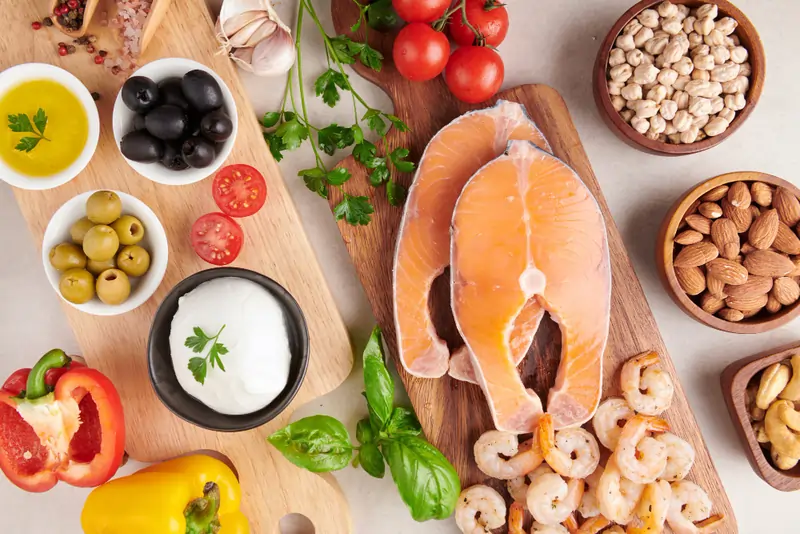
Top view of raw salmon, shrimp, fresh vegetables, olives, nuts, and olive oil representing major Mediterranean diet benefits.

Is Bariatric Surgery Worth It? Post-Surgery Diet Plan

Is Bariatric Surgery Worth It? Post-Weight Loss Surgery Diet Plan in Pakistan Struggling with severe obesity can feel like an uphill battle. When traditional diet plans, gym memberships, and lifestyle changes stop producing results, many Pakistani patients ask themselves: Is bariatric surgery worth it? The short answer is yes—for individuals struggling with severe obesity or metabolic disorders, weight loss surgery offers a life-changing reset. However, the surgery is only a tool. Your long-term success depends almost entirely on following a structured, medically supervised post-weight loss surgery diet plan in Pakistan. In this comprehensive guide, we discuss the true value of bariatric surgery and detail a culturally tailored, step-by-step diet plan designed for smooth post-operative recovery. Why Bariatric Surgery Matters in Pakistan Obesity is no longer viewed as a lack of willpower; medical consensus recognizes it as a complex chronic metabolic condition. In Pakistan, high-carb diets rich in refined oils, parathas, and sweets have driven a sharp rise in Type 2 diabetes, fatty liver disease, and hypertension. Bariatric procedures—such as Sleeve Gastrectomy or Gastric Bypass—work by physically reducing stomach capacity and altering gut hormones that control hunger. Consequently, patients often lose 60% to 80% of their excess body weight within 12 to 18 months. Beyond the scale, the benefits include: Reversal or Remission of Diabetes: Most patients experience immediate improvements in blood sugar regulation. Improved Cardiovascular Health: Reduced risk of heart attack, stroke, and high blood pressure. Enhanced Mobility & Energy: Relief from chronic knee, back, and joint pain. Phase-by-Phase Post-Weight Loss Surgery Diet Plan in Pakistan Following medical guidelines after surgery is non-negotiable. Your newly resized stomach pouch needs time to heal without inflammation or stretching. Adhering to standard postoperative bariatric nutrition guidelines ensures rapid healing while meeting your daily protein targets. ┌─────────────────────────────────────────────────────────────┐ │ 4-PHASE POST-OPERATIVE RECOVERY │ ├──────────────┬──────────────┬──────────────┬────────────────┤ │ Phase 1 │ Phase 2 │ Phase 3 │ Phase 4 │ │ Clear Liquids│ Pureed Foods │ Soft Solids │ Standard Solid │ │ (Weeks 1 – 2)│ (Weeks 3 – 4)│ (Weeks 5 – 6)│ (Week 7 Onward)│ └──────────────┴──────────────┴──────────────┴────────────────┘ Phase 1: Clear Liquids (Weeks 1–2) During the first two weeks, your goal is hydration and gut rest. Sip slowly throughout the day—never use a straw, as it introduces excess air and causes painful gas. Chicken or Mutton Yakhni: Lightly spiced, strained clear broth provides essential electrolytes and warmth. Clear Suji Water or Thin Kanji: Strained liquid from boiled suji or diluted rice water. Electrolyte Fluids & Water: Sip small amounts (30–50 ml) every 15 minutes. Phase 2: Pureed & Blended Foods (Weeks 3–4) As healing progresses, introduce smooth, lump-free purees. All food should have the consistency of smooth baby food. Blended Moong Dal: Well-cooked, blended yellow lentils without oily tadka. Pureed Steamed Chicken: Blended with light broth or low-fat yogurt (dahi). Mashed Soft Papaya or Banana: Smoothly pureed for gentle digestion and vitamins. Phase 3: Soft Foods (Weeks 5–6) Now you can transition to tender, easily mashable foods. Take small bites and chew each portion at least 25 to 30 times. Soft Khichdi: Made with extra water, well-cooked rice, and lentils. Boiled or Scrambled Eggs: Soft-cooked eggs without excessive butter or ghee. Steamed Fish or Shredded Chicken: Tender, mild white fish cooked with minimal oil. Phase 4: Long-Term Healthy Solids (Week 7 Onward) By week seven, you can gradually return to solid foods. However, high-protein foods must always take priority on your plate before carbohydrates or vegetables. What to Eat vs. What to Avoid in Pakistan Managing a post-bariatric diet in a traditional Pakistani household requires smart substitutions. Use this comparison table as your daily kitchen reference: Category Recommended Foods (Eat) Foods to Avoid Completely Proteins Strained Yakhni, boiled egg whites, steamed chicken, paneer, low-fat dahi Deep-fried kebabs, paya, nihari, fatty mutton karahi, fried fish Carbohydrates Thin suji gruel, soft dal-khichdi, boiled sweet potato Fresh naan, rogni paratha, puri, bakery biscuits, white bread Vegetables & Fruits Stewed apples, mashed papaya, soft-boiled carrots, bottle gourd (lauki) Raw salad greens, fibrous celery, fruit seeds, unpeeled apples Beverages Plain water, diluted mint water, protein shakes, sugar-free green tea Fizzy sodas, pakola, sweetened commercial juices, full-fat doodh patti Essential Lifestyle & Exercise Guidelines Surgery changes your digestive anatomy, but your daily habits dictate your long-term success. Keep these crucial rules in mind: Follow the 30-Minute Rule: Do not drink liquids 30 minutes before, during, or 30 minutes after a meal. Drinking while eating flushes food out of the stomach pouch too quickly, causing dumping syndrome or overeating. Prioritize Daily Protein: Target 60–80 grams of protein daily using bariatric-friendly protein supplements and lean foods to prevent muscle loss and hair thinning. Start Gentle Movement Early: Begin with short 10-minute walks around your room during Week 1 to prevent blood clots. Transition to 30 minutes of brisk walking by Month 1. Expected Timeline & Long-Term Results Understanding your body’s transformation timeline helps set realistic expectations: Month 1: Rapid weight loss (8–12 kg), primarily fluid and reduced calorie intake. You will feel full on just 2–3 tablespoons of soft food. Months 3 to 6: Steady weight loss (3–5 kg per month). Energy levels surge, and blood pressure and blood sugar readings stabilize significantly. Year 1 to 2: Reaching your target weight loss goal (60–80% of excess weight removed). Maintenance phase begins with lifelong healthy eating habits. Ready to Transform Your Health? Consult Dr. Ikram Today Bariatric surgery is a powerful tool, but navigating your post-op diet shouldn’t feel overwhelming. At Dr. Ikram’s Diet & Weight Loss Clinic, we provide personalized, culturally customized nutrition support tailored to your exact surgical procedure and recovery speed. Whether you are considering surgery or need help managing your post-op diet, take the next step toward a healthier, energetic life. Click here to book a weight loss consultation with Dr. Ikram and receive a tailored, medical meal plan today! Frequently Asked Questions (FAQs) 1. Will I experience hair loss after bariatric surgery? Temporary hair shedding (telogen effluvium) is common between months 3 and 6 due to rapid weight loss and

Is Bariatric Surgery Worth It? Post-Surgery Diet Plan Read More »

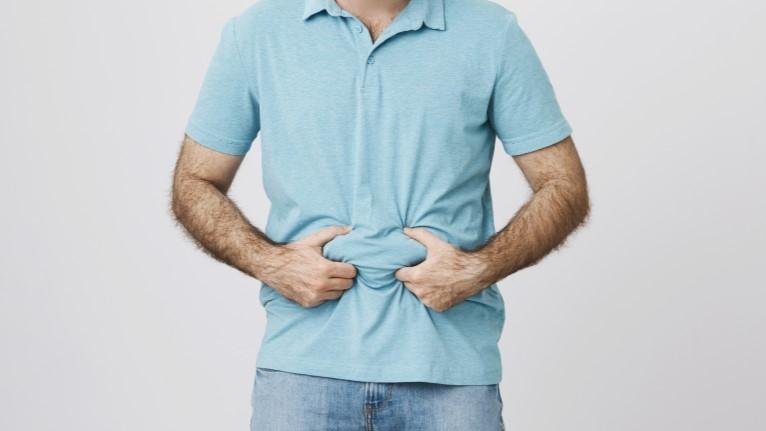
A man pinching lower abdominal fat through a light blue shirt, illustrating stubborn lower belly fat storage.

How to Lose Stubborn Lower Belly Fat: Pakistani Medical Guide

How to Lose Stubborn Lower Belly Fat: A Medical Guide for Pakistani Adults Carrying extra weight around the midsection is one of the most frustrating health challenges many of us face. You might notice that even when you start shedding weight from your face, arms, or legs, the lower abdomen refuses to budge. If you are struggling to lose stubborn lower belly fat, you are certainly not alone. In Pakistan, traditional dietary patterns—rich in refined carbohydrates, ghee, and sugary teas—combined with increasingly sedentary routines make lower abdominal fat particularly persistent. However, targeting this area does not require drastic starvation diets. By understanding the medical mechanisms behind abdominal fat and making targeted lifestyle adjustments, you can achieve sustainable, long-term results. Why Lower Belly Fat Is So Stubborn Lower abdominal fat consists of two types: subcutaneous fat (located directly under the skin) and visceral fat (stored deep around internal organs). Lower belly fat is notoriously hard to burn because fat cells in this area contain a higher concentration of alpha-2 receptors, which slow down the breakdown of fat compared to other body parts. Furthermore, abdominal weight gain is heavily driven by hormonal triggers: Insulin Spikes: Frequent consumption of refined carbs keeps insulin levels elevated, signals the body to store energy as fat, and inhibits fat burning. Elevated Cortisol: Chronic stress releases cortisol, a hormone directly linked to increased visceral fat deposition. Metabolic Slowdown: Age and lack of muscle mass gradually decrease your resting metabolic rate. Understanding these visceral fat health risks is vital, as internal abdominal fat is closely linked to metabolic syndrome, type 2 diabetes, and cardiovascular disease. Actionable Medical Diet Plan for Pakistani Kitchens Losing lower stomach fat requires addressing the root cause: insulin sensitivity and calorie balance. You do not need to give up Pakistani food altogether; instead, modify how meals are prepared and structured. Research clearly links insulin resistance and belly fat storage, making smart carbohydrate selection your highest priority. 1. Upgrade Your Carbohydrates Swap refined white flour (menda), white bread, and parathas made with commercial ghee for high-fiber alternatives. Fiber slows down glucose absorption, keeping insulin stable. Choose whole-wheat flatbread (choker atta roti) or Multigrain Flour. Replace large portions of white rice with brown rice, quinoa, or controlled portions of basmati rice paired with plenty of vegetables. 2. Prioritize Protein at Every Meal Protein increases satiety, curbs late-night cravings, and preserves lean muscle mass during weight loss. Include eggs, skinless chicken, lentil soups (daal with minimal oil), chickpeas (chana), and fish in your weekly menu. Aim for a palm-sized protein portion during lunch and dinner. 3. Rethink Your Tea and Beverages Daily doodh patti brewed with full-cream milk and multiple spoons of sugar is a major hidden source of daily calories. Switch to black tea, green tea, or black coffee without added sugar. If using milk, opt for skimmed or low-fat milk, and replace sugar with natural stevia if necessary. What to Eat vs. What to Avoid Making structured dietary decisions is easier when you have a clear visual guide. Here is a practical comparison tailored to typical Pakistani meals: Food Category Foods to Include Foods to Avoid or Limit Grains & Carbs Whole-wheat roti (choker), oats, brown rice, chickpeas, lentils Parathas, naan, kulcha, white bread, bakery biscuits Proteins Boiled/grilled chicken, eggs, fish, homemade daal, paneer Deep-fried kebabs, processed meats, heavy cream-based curries Fats & Oils Cold-pressed olive oil, mustard oil, almonds, walnuts (in moderation) Vanaspati ghee, reused frying oil, commercial butter Beverages Plain water, green tea, mint water, unsweetened black tea Doodh patti with sugar, commercial sodas, packaged fruit juices Effective Exercise & Lifestyle Strategies Diet accounts for the majority of fat loss, but physical activity determines where your body pulls energy from and how well you maintain metabolic health. Focus on Full-Body Movement First Spot reduction—the idea that doing hundreds of crunches will burn fat only from the stomach—is a medical myth. Crunches strengthen the abdominal muscles underneath, but they will not burn the fat layer sitting on top. Daily Brisk Walking: Aim for 30–45 minutes of continuous brisk walking daily. This low-intensity exercise utilizes fat stores as a primary energy source without excessively raising cortisol. Resistance & Strength Training: Incorporate bodyweight squats, lunges, and light dumbbell exercises 3 times a week to build muscle tissue, which burns more calories even at rest. Core Stabilization: Exercises like planks and leg raises build abdominal wall tone, improving posture and drawing the stomach inward. Prioritize Sleep and Stress Control Consistently sleeping fewer than 6 hours per night disrupts leptin and ghrelin (your hunger-regulating hormones), driving intense cravings for sugary foods the following afternoon. Prioritize 7 to 8 hours of quality sleep every night. Expected Timeline & Realistic Results Safe, sustainable fat loss occurs at a rate of approximately 0.5 kg to 1 kg (1 to 2 lbs) per week. Because lower belly fat is often the last area your body draws energy from, you may notice changes in your waist circumference and clothing fit before seeing major drops on the bathroom scale. Expect visible reductions in lower stomach circumference within 6 to 8 weeks of consistent adherence. Take the First Step Toward Sustainable Weight Loss Every individual’s metabolism, hormonal profile, and lifestyle demands are unique. If you have tried restrictive diets without success, an individualized medical approach can help you overcome plateau barriers safely and effectively. Ready for a tailored strategy? You can book a personalized weight loss consultation with Dr. Ikram to receive a comprehensive health assessment, custom dietary planning, and expert medical guidance designed specifically for your goals. Frequently Asked Questions (FAQs) 1. Why is lower belly fat harder to lose than upper stomach fat? Lower abdominal fat contains a higher density of alpha-2 adrenoreceptors, which respond slower to fat-burning signals compared to beta receptors found in other body tissues. Additionally, blood flow to lower abdominal subcutaneous fat is lower, making mobilization slower. 2. Can I lose lower belly fat without giving up roti and rice? Yes. You do not need to eliminate carbohydrates

How to Lose Stubborn Lower Belly Fat: Pakistani Medical Guide Read More »

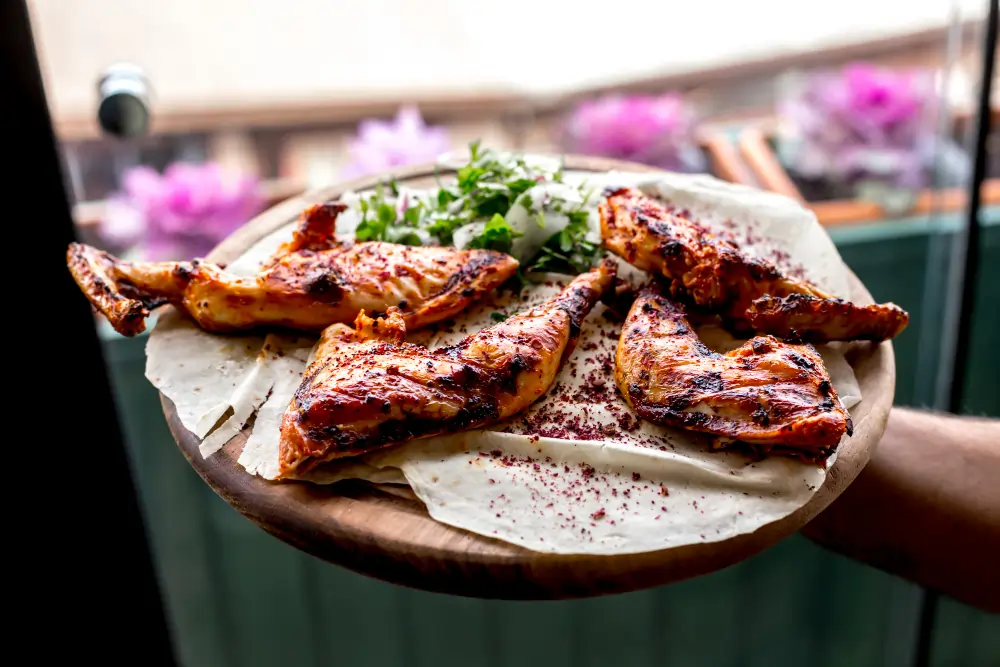
Freshly grilled chicken tikka on a wooden tray with fresh herbs, an ideal choice among high-protein Pakistani foods for fat loss.

High-Protein Pakistani Foods for Fat Loss & Muscle

High-Protein Pakistani Foods List: Best Local Options for Fat Loss & Muscle A traditional Pakistani diet is undeniably delicious, but it is often heavy on refined carbohydrates and fats. From oil-laden parathas to white rice and naan, meeting your daily fitness goals can feel like an uphill battle. However, incorporating high-protein pakistani foods into your daily routine is the single most effective shift you can make for sustainable fat loss and muscle retention. Protein helps control hunger hormones, keeps you full for hours, and accelerates fat loss while preserving lean muscle mass. You do not need expensive imported supplements or unfamiliar Western foods to achieve your fitness goals. Our local Pakistani markets are filled with affordable, nutrient-dense protein options that fit right into your household cooking. Why High-Protein Intake Matters in the Pakistani Context Most traditional Pakistani meals contain a high ratio of carbohydrates to protein. While lentils and whole grains provide energy, a carbohydrate-dominant diet can lead to rapid blood sugar spikes and frequent hunger pangs. By prioritizing protein in every meal, you stabilize your blood sugar levels and boost your metabolic rate. Medical research indexed on PubMed confirms that higher protein intake supports satiety and body composition during weight loss. This makes high-protein eating crucial for overcoming stubborn abdominal fat. Actionable High-Protein Pakistani Foods List To help you hit your daily goals, align your diet with established recommended daily protein intake guidelines. Here are the top local staples categorized for easy meal planning: 1. Lean Poultry & Meats Skinless Chicken Breast: The ultimate lean protein staple in Pakistan. A 100g serving provides roughly 31 grams of high-quality protein. Cook it as tikka, steam roast, or lean curry with minimal oil. Lean Beef or Mutton Cuts: Red meat is rich in bioavailable iron and zinc. Choose lean cuts like shank (bong) or sirloin, and prepare them as grilled kebabs or clear stew (yakhni). Egg Whites & Whole Eggs: Eggs are cheap, readily available, and versatile. Two whole eggs with two extra egg whites give you around 18 grams of complete protein for breakfast. 2. Fish & Seafood Local River Fish (Rahu, Sole, Surmai): Packed with omega-3 fatty acids and lean protein. Opt for pan-seared, grilled, or baked fish instead of traditional deep-fried fish coated in heavy batter. 3. Dairy Products Desi Dahi (Low-Fat Yogurt or Hung Curd): Straining regular home dahi removes excess whey, turning it into a high-protein, probiotic-rich thick yogurt similar to Greek yogurt. Paneer (Cottage Cheese): Freshly made paneer using low-fat milk provides sustained slow-digesting casein protein, ideal for evening snacks. 4. Pulses, Lentils & Beans Kala Chana (Black Chickpeas) & White Chana: Excellent sources of plant-based protein and dietary fiber. Enjoy them as a boiled chaat with lemon juice and spices. Daal Chana, Lobia (Kidney Beans), & Moong Daal: While lentils contain carbs, combining them with lean protein sources creates a well-rounded meal. Smart Swaps: High-Protein Foods vs. Traditional Refined Carbs Use this quick guide to substitute calorie-dense, low-nutrient foods with local high-protein alternatives: Food Category High-Protein Local Alternative Traditional Heavy Option to Avoid Protein per Serving (Approx.) Breakfast 3 Omelet Whites + 1 Whole Egg + Boiled Chana Plain Paratha with Sweet Chai ~22g Lunch Grilled Chicken Tikka + Fresh Salad + 1 Roti Chicken Biryani with Extra Rice ~35g Evening Snack Strained Hung Dahi / Boiled Kala Chana Chaat Samosas or Pakoras ~14g Dinner Mutton Seekh Kebab (Bake/Air-Fry) + Cucumber Raita Heavy Mutton Nihari with Naan ~30g Lifestyle & Exercise Tips to Maximize Results Eating enough protein is only half the formula; your body needs the right lifestyle signals to use that protein efficiently: Incorporate Resistance Training: Engage in strength training or bodyweight exercises 3 to 4 times a week to stimulate muscle repair and growth. Distribute Protein Evenly: Aim for 20 to 35 grams of protein per main meal rather than consuming all your protein in a single heavy dinner. Stay Well-Hydrated: High-protein diets increase nitrogen turnover. Drink at least 8 to 10 glasses of water daily to support kidney function and digestion. Expected Timeline & Results When you transition to a protein-focused Pakistani diet, expect noticeable changes: Week 1–2: Reduced evening sugar cravings and less bloating due to improved satiety and reduced refined carb intake. Week 3–4: Initial fat loss (typically 1 to 2 kg per month when paired with a moderate calorie deficit) alongside better workout energy. Month 2 & Beyond: Visibly improved muscle tone, better metabolic efficiency, and sustainable weight management without starvation. Ready to Transform Your Health? Consult Dr. Ikram Today Every individual’s metabolic profile, medical history, and weight loss needs are unique. While this food list serves as a strong foundation, customized medical guidance ensures faster, safer, and long-lasting results. If you are struggling with stubborn weight, insulin resistance, or PCOS, take the first step toward your health goals today. Click here to book a personalized diet consultation with Dr. Ikram and receive a tailored meal plan designed specifically for your body and lifestyle. Frequently Asked Questions (FAQs) 1. Can I get enough protein on a vegetarian Pakistani diet? Yes. By combining plant-based sources like kala chana, lobia, paneer, strained dahi, and whole grains, vegetarians can easily meet their daily protein requirements without meat. 2. Is eating too much daal (lentils) bad for fat loss? Lentils are healthy, but they contain more carbohydrates than protein. Eating large portions of daal with extra rice can exceed your calorie limit. Pair moderate portions of daal with lean meats, eggs, or salad for a balanced meal. 3. How much protein do I need daily for muscle growth? For active individuals looking to build muscle or lose fat, a common target is 1.2 to 2.0 grams of protein per kilogram of body weight per day, adjusted based on your overall health status. 4. Does traditional Pakistani cooking destroy the protein in meat? High heat does not destroy the protein content itself, but traditional deep-frying and using excessive oil (tarka/ghee) add unnecessary empty calories. Stick to roasting, baking, air-frying, or light

High-Protein Pakistani Foods for Fat Loss & Muscle Read More »

A healthcare professional demonstrating how to use a weight loss pen injector during an Ozempic vs Saxenda consultation in Pakistan.

Ozempic vs Saxenda in Pakistan: Benefits & Cost Guide

Ozempic vs Saxenda in Pakistan: Benefits, Side Effects, and Medical Cost Guide Struggling with persistent weight gain despite cutting down on roti, chawal, and sweet treats is a common story across Pakistan. If traditional diets have failed you, medical weight loss options like Ozempic vs Saxenda in Pakistan have likely caught your attention. Both of these injectables belong to a modern class of metabolic treatments, but they differ significantly in dosage, frequency, effectiveness, and cost in Pakistani Rupees (PKR). Understanding which medication suits your health profile is essential before starting any treatment plan. Here is a comprehensive guide to help you compare their benefits, side effects, dietary protocols, and local pricing. Background: How Do Ozempic and Saxenda Work? Both medications belong to a group of therapies known as GLP-1 receptor agonists. They mimic a natural gut hormone that signals your brain when you are full, delays stomach emptying, and improves insulin production. Ozempic (Semaglutide): Primary indication is Type 2 Diabetes management, but it is frequently prescribed off-label by doctors for weight loss. It requires a once-weekly injection. Saxenda (Liraglutide): Specifically FDA-approved for chronic weight management. It requires a once-daily injection. Actionable Diet & Nutrition Protocol During Treatment Using GLP-1 injectables without adjusting your daily Pakistani diet can lead to unnecessary nausea, bloating, or hyperacidity. Because these medications slow down gastric emptying, your stomach digests heavy meals much more slowly. Core Dietary Rules: Prioritize Protein First: Consume lean proteins like boiled eggs, grilled chicken breast, lentils (daal), or Greek yogurt (dahi) to prevent muscle loss. Hydrate Constantly: Drink 10–12 glasses of water daily to prevent constipation and kidney strain. Portion Control for Carbs: Swap refined white flour (maida) and large portions of white rice for whole wheat roti or brown rice in limited amounts. Avoid Greasy Foods: Heavy salans made with excess ghee or oil can trigger intense nausea while on medication. Food Selection Guide: What to Eat vs. Avoid When taking GLP-1 medications, your food choices directly impact how comfortable you feel throughout the week. Use this simple breakdown to guide your daily meals: Recommended Foods (Eat) Foods to Avoid or Limit Lean Proteins: Chicken, eggs, fish, tofu, chana Deep-Fried Snacks: Samosas, pakoras, parathas Fiber-Rich Vegetables: Cucumbers, spinach, zucchini High-Sugar Sweets: Mithai, pastries, aerated sodas Low-GI Fruits: Apples, berries, guavas Heavy Gravies: Oily korma, nihari, or excess ghee Clear Soups & Herbal Tea: Green tea, mint water Late-Night Heavy Meals: Large dinners right before sleep Potential Side Effects & Medical Precautions While both medications are generally safe under expert supervision, gastrointestinal side effects are common during the initial weeks: Common Side Effects: Nausea, mild vomiting, acidity, diarrhea, or constipation. These usually subside as your body adapts. Serious Warnings: These medications are strictly contraindicated for individuals with a personal or family history of medullary thyroid carcinoma or Multiple Endocrine Neoplasia type 2 (MEN-2). Always inform your physician of any underlying thyroid, kidney, or pancreatic history. Estimated Medical Cost in Pakistan (PKR) Prices for imported injectables in Pakistan fluctuate depending on pharmacy availability, supply chain logistics, and dose strength. Ozempic (Semaglutide): Ranging from PKR 38,000 to PKR 85,000+ per pen depending on the dosage (0.25mg/0.5mg to 1mg/2mg). One pen typically lasts 4 weeks. Saxenda (Liraglutide): Ranging from PKR 45,000 to PKR 90,000+ for a pack of 3 pens, depending on daily maintenance doses. Note: Prices vary across major cities like Karachi, Lahore, and Islamabad. Always purchase from licensed, cold-chain compliant pharmacies. Expected Timeline & Results Weeks 1 to 4: Reduced appetite and early fullness after small meals. Initial loss of 2–4 kg (mostly water weight and reduced calorie intake). Months 2 to 6: Consistent body fat reduction. Clinical data shows Ozempic users average 10–15% body weight loss over 68 weeks, while Saxenda users average 5–10% over a year. Long-Term Success: Medical weight loss requires an integrated strategy including dietary changes, strength training, and lifestyle adjustments to maintain your weight after discontinuing treatment. Take the Next Step with Expert Guidance Medical weight loss is not a one-size-fits-all solution. Self-prescribing GLP-1 injectables without proper blood evaluation, dosage titration, and dietary management can result in severe side effects or rapid weight rebound. To ensure your safety and maximize your results, you can book a medical weight loss consultation with Dr. Ikram at our clinic. Dr. Ikram provides personalized lab evaluations, custom meal plans, and step-by-step supervision tailored to your body’s needs. Frequently Asked Questions (FAQs) 1. Which medication is more effective for weight loss: Ozempic or Saxenda? Clinical studies show that Ozempic (semaglutide) generally leads to greater average body weight loss (12–15%) compared to Saxenda (liraglutide, 5–10%). Additionally, Ozempic offers the convenience of weekly injections compared to daily Saxenda injections. 2. Is Ozempic officially approved for weight loss in Pakistan? Ozempic is FDA-approved for Type 2 Diabetes. However, endocrinologists and weight loss specialists frequently prescribe it off-label for obesity, insulin resistance, and PCOS management under strict medical supervision. 3. Will I regain weight after stopping Ozempic or Saxenda? If underlying lifestyle habits, diet, and metabolic issues are not addressed, weight regain can occur after stopping treatment. Combining medical therapy with a sustainable diet plan and muscle-preserving exercise is vital for maintaining long-term results. 4. Can women with PCOS take these injectables? Yes, many women with Polycystic Ovary Syndrome (PCOS) suffer from severe insulin resistance. Under medical supervision, GLP-1 medications can improve insulin sensitivity and support healthy weight loss in PCOS patients.

Ozempic vs Saxenda in Pakistan: Benefits & Cost Guide Read More »

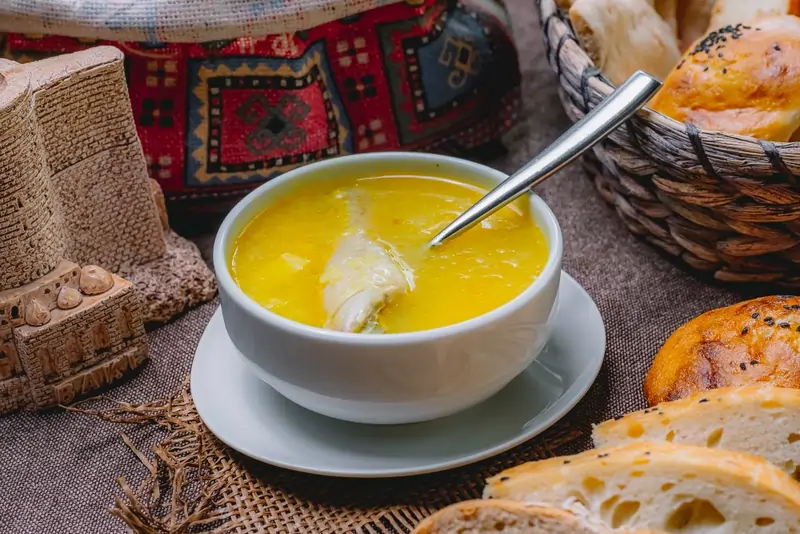
A white bowl of golden chicken soup or shorba containing a chicken piece and a spoon, surrounded by traditional naans and bread baskets on a rustic brown fabric surface.

The Truth About Desi Ghee and Weight Loss | Dr. Ikram Clinic

Separating Myth from Fact: The Truth About Desi Ghee and Weight Loss For generations in Pakistani households, desi ghee held the status of a sacred health food. Our grandmothers added it generously to every meal, believing it built raw physical strength, lubricated joints, and nourished the body. However, the rise of modern refined oils quickly changed this perception. Suddenly, mainstream health advice labeled clarified butter as a dangerous fat that causes severe heart blockages and rapid weight gain. Out of fear, millions of families completely abandoned ghee and switched to highly processed vegetable oils. Today, the wellness world is reversing its stance once again. Trending western diets heavily praise clarified butter, leaving many local people deeply confused. Does cooking your daily meals in desi ghee support your weight loss journey, or does it permanently trap stubborn belly fat? Let’s analyze the hard clinical truth behind desi ghee and weight loss. The Science: Why Desi Ghee is Not Your Enemy From a medical standpoint, eating fat does not automatically make you fat. Your body requires healthy fats to regulate vital reproductive hormones, absorb essential vitamins, and maintain cellular integrity. Pure desi ghee contains unique nutritional properties that can actually assist a well-calibrated metabolism. 1. High Content of Medium-Chain Triglycerides (MCTs) Unlike the long-chain fats found in low-quality commercial oils, pure desi ghee is rich in Medium-Chain Triglycerides (MCTs). Your liver processes MCTs very differently. Instead of circulating in your bloodstream to be stored away as adipose fat tissue, your body burns these fats immediately for pure, clean energy. 2. Rich in Butyric Acid for Gut Health Desi ghee contains significant levels of butyric acid, a short-chain fatty acid that feeds the beneficial bacteria in your gut microbiome. A healthy, low-inflammation gut directly correlates with better insulin sensitivity and more efficient weight management. 3. High Smoke Point Prevents Toxin Release When you cook traditional Pakistani dishes at high temperatures, standard seed oils oxidize quickly. This oxidation releases harmful free radicals that cause systemic internal inflammation. Desi ghee possesses an exceptionally high smoke point of around 250°C (482°F). It remains chemically stable during deep frying or intense sautéing, protecting your cells from inflammatory damage. The Catch: Why Ghee Can Still Stall Your Weight Loss While desi ghee offers genuine therapeutic benefits, it is absolutely not a miracle weight loss supplement. Misunderstanding how to use it can quickly ruin your progress. The Caloric Reality: Ghee remains a highly concentrated source of pure fat. A single tablespoon of desi ghee packs roughly 120 to 130 calories. If you blindly add spoonfuls to your plates of biryani, karahi, and parathas without keeping track, you will easily enter a massive caloric surplus. The Deadly Combo: Fat becomes highly dangerous to your metabolism when you pair it directly with refined carbohydrates. Eating ghee with a white-flour roghni naan or white sugar creates a severe insulin spike alongside a heavy dose of circulating fats. This specific biochemical combination signals your body to store fat around your midsection instantly. 3 Clinical Rules for Consuming Ghee Safely If you love the taste of traditional ghee and want to keep it in your lifestyle plan, follow these three strict clinical guidelines: 1. Stick to the “One Teaspoon” Limit Do not pour ghee directly from the container onto your food. Instead, consciously measure your portions. Limit your intake to one level teaspoon per meal to enrich your food with fat-soluble vitamins (A, E, and K) without overloading your daily calorie budget. 2. Use It to Grease Your Roti, Not Drown It Instead of cooking deep-fried parathas on the tawa, dry-bake a pure whole-wheat (chakki atta) roti first. Once it comes off the heat, lightly brush a fraction of a teaspoon of warm desi ghee over the surface. This practice adds satisfying flavor and naturally lowers the glycemic index of the carbohydrate. 3. Prioritize Sourcing Pure A2 Ghee The quality of your ghee matters immensely. Avoid cheap, commercially processed “banaspati” alternatives, which contain dangerous hydrogenated trans fats that cause severe cardiovascular disease. Opt for organic, homemade desi ghee sourced from grass-fed cows or buffaloes to ensure you receive pure nutrients. Work with Your Biology, Not Against It Sustainable weight loss does not require you to completely villainize traditional cultural foods. Permanent results come from understanding the exact portions, timing, and nutritional combinations your unique metabolic profile demands. Book Your Consultation Today. Stop switching blindly between extreme restriction and confusing internet diet trends. At Dr. Ikram Clinic, we analyze your specific baseline markers and lifestyle factors. We design medically supervised, personalized nutrition protocols that show you exactly how to enjoy local Pakistani ingredients safely while achieving your target weight loss goals. FAQs Is desi ghee better for weight loss than olive oil? Both fats serve distinct, excellent health purposes. Extra virgin olive oil is fantastic for raw drizzling, light cooking, and salad dressings due to its rich antioxidant profile. Desi ghee is far superior for high-heat traditional Pakistani cooking because it handles high temperatures safely without breaking down. Does desi ghee increase cholesterol levels? Consuming pure, unadulterated desi ghee in strict moderation (1-2 teaspoons daily) does not typically harm lipid profiles in healthy individuals. However, if you already suffer from an advanced metabolic condition or a genetic cardiovascular risk, you must have your dosages carefully monitored by a physician. Can I put desi ghee in my morning coffee for weight loss? Drinking “bulletproof coffee” by mixing ghee into black coffee is a popular internet trend. While it can suppress hunger during an intermittent fasting window, it also introduces a massive dose of liquid calories early in your day. For sustainable weight loss, it is clinically better to consume whole meals instead of drinking isolated fats.

The Truth About Desi Ghee and Weight Loss | Dr. Ikram Clinic Read More »

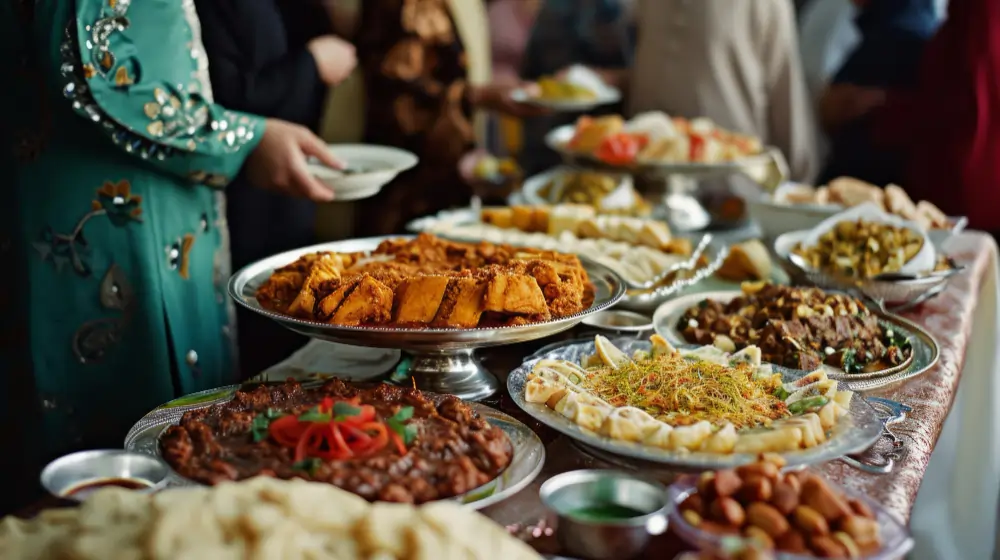
A traditional Pakistani wedding buffet line filled with silver serving platters of roasted meats, kebabs, gravies, and appetizers as guests in festive formal attire serve food.

Pakistani Weddings & Weight Loss: How to Stay on Track | Dr. Ikram Clinic

The Shadi Season Survival Guide: How to Balance Traditional Pakistani Weddings with a Strict Diet Plan In Pakistan, wedding season isn’t just a single event—it is a multi-week marathon of celebrations, late-night gatherings, and some of the most calorie-dense food on the planet. From the sweet mithais at a Dholki to the oil-laden qormas and biryanis at the Baraat, navigating a traditional wedding while sticking to a strict medical or weight loss diet plan can feel like an impossible task. Many people choose to completely abandon their health goals during shadi season, promising themselves they will “restart on Monday.” However, multiple consecutive days of massive glucose and insulin spikes can completely derail months of hard-earned metabolic progress. The good news? You do not have to lock yourself in your room or sit awkwardly with an empty plate. Balancing a traditional Pakistani wedding with a strict diet plan simply requires moving away from generic restriction and adopting a calculated, tactical clinical approach to the buffet line. The Strategic Shift: Surviving the Buffet The secret to keeping your metabolism intact during a wedding lies in understanding the layout of a traditional Pakistani menu. Most wedding menus are actually packed with excellent, high-protein options—they are just frequently overshadowed by refined carbohydrates and heavy desserts. Here is how you can systematically navigate the food line without breaking your caloric or insulin limits: 1. Fill Up on the BBQ and Grilled Meats First Before you look at the rice or gravy options, look for the live kitchen or the grilled section. Seekh kebabs, chicken tikka, malai boti, and fish tikkas are phenomenal sources of lean protein. Protein keeps you full, stabilizes your blood sugar, and prevents you from overeating later in the evening. The Clinical Goal: Fill half of your plate with these clean, dry-grilled protein sources. 2. Treat the Gravy and Rice as a “Side,” Not the Main Event Classic wedding dishes like Mutton Qorma, Chicken Karahi, and Biryani are often prepared with excessive amounts of low-quality commercial oils or hydrogenated ghee. If you want to enjoy them: For Gravies: Take a small portion of the meat but use a spoon to leave behind the pooling layer of oil (tari). For Rice: Limit yourself to 3 to 4 tablespoons of biryani or pulao for taste, rather than making it the base of your entire meal. The Roti Rule: Skip the heavy, white-flour Roghni naans entirely. If a whole-wheat tandoori roti option is available, limit yourself to a quarter-slice. 3. Harness the Power of Raita and Salad Never skip the salad table. Fresh cucumbers, onions, and tomatoes packed with dietary fiber act as a metabolic shield, slowing down how fast sugars hit your bloodstream. Pair this with traditional yogurt raita (provided it doesn’t contain added commercial sugars) to aid digestion and promote satiety. 3 Clinical Rules for Shadi Day Success What you do before and after the wedding event matters just as much as what you put on your plate. Rule 1: Never “Starve” Yourself in Anticipation A common mistake is skipping breakfast and lunch on the day of a wedding to “save calories” for the big dinner. This is disastrous for your hormones. Starving yourself drives up your hunger hormones (ghrelin) and crashes your blood sugar. By the time you arrive at the venue at 11:00 PM, your willpower will be entirely depleted, making a high-carb binge inevitable. Eat balanced, high-protein, high-fiber meals during the day. Rule 2: Master the Art of Pre-Hydration Wedding venues are often warm, and standard event drinks are heavily loaded with sugar (regular sodas, sweetened Kashmiri chai, or mocktails). Drink 2 glasses of water right before entering the hall. During the event, stick strictly to plain water, club soda with a squeeze of lemon, or unsweetened green tea if it’s offered at the end of the night. Rule 3: Use the Post-Dinner “Wedding Walk” Instead of heading straight to the lounge sofas or the car immediately after eating, spend 10 to 15 minutes socializing while standing or walking around the venue. This minor physical movement prompts your skeletal muscles to immediately absorb excess circulating glucose for energy, muting the severe post-meal insulin spike. Quick Reference: Smart Shadi Food Swaps Instead of This (High Glycemic & Inflammatory) Choose This Instead (Metabolic-Friendly) Roghni Naan, Sheermal, or Taftan A Quarter Piece of Whole Wheat Tandoori Roti Deep-Fried Fish Or Fried Appetizers Chicken Tikka, Seekh Kebab, or Malai Boti Heavy Gravy Layered in Oil (Tari) Dry meat pieces from the Karahi/Qorma Multiple Bowls of Kheer, Gajar ka Halwa, or Jalebi A single bite for taste, or switch to fresh seasonal fruit slices Regular Sodas / Sweetened Juices Plain Water or Unsweetened Green Tea Enjoy the Celebrations Without the Guilt Managing your health goals during milestone family events shouldn’t feel like a social punishment. Reversing metabolic resistance and losing weight permanently is about building a sustainable relationship with food that adapts seamlessly to your cultural lifestyle. Book Your Consultation Today. Don’t let the upcoming shadi season undo your hard work. At Dr. Ikram Clinic, we design medically supervised, personalized nutrition plans that teach you exactly how to navigate traditional Pakistani events, manage your portion sizes clinically, and maintain your weight loss momentum safely without missing out on the joy of family celebrations. FAQs What should I eat if there are absolutely no grilled or healthy options at the wedding? In rare cases where everything is heavily fried or swimming in oil, focus purely on protein portion control. Take chicken pieces from the karahi, shake off as much excess oil and gravy as possible, pair it with whatever salad or raita is available, and completely avoid the rice, naans, and desserts. Is it okay to have a “cheat meal” at a wedding once a week? If your underlying metabolic health is stable, a single, controlled wedding meal once a week will not ruin your progress. The danger arises when a single meal turns into a multi-day cycle of overeating across consecutive Mehndi, Baraat, and

Pakistani Weddings & Weight Loss: How to Stay on Track | Dr. Ikram Clinic Read More »

Scroll to Top